If you have been dreaming about opening your own shop but do not know where to start, these mini boutique store ideas will help you find your niche. You do not need a huge storefront or a massive budget to get going, and this list will show you exactly how to think small and start smart.
1. Curated Clothing Boutique
A curated clothing boutique focuses on a specific style rather than trying to stock everything under the sun. You might specialize in cottagecore dresses, minimalist basics, or plus-size formal wear, and that focus makes your marketing and buying decisions much easier.
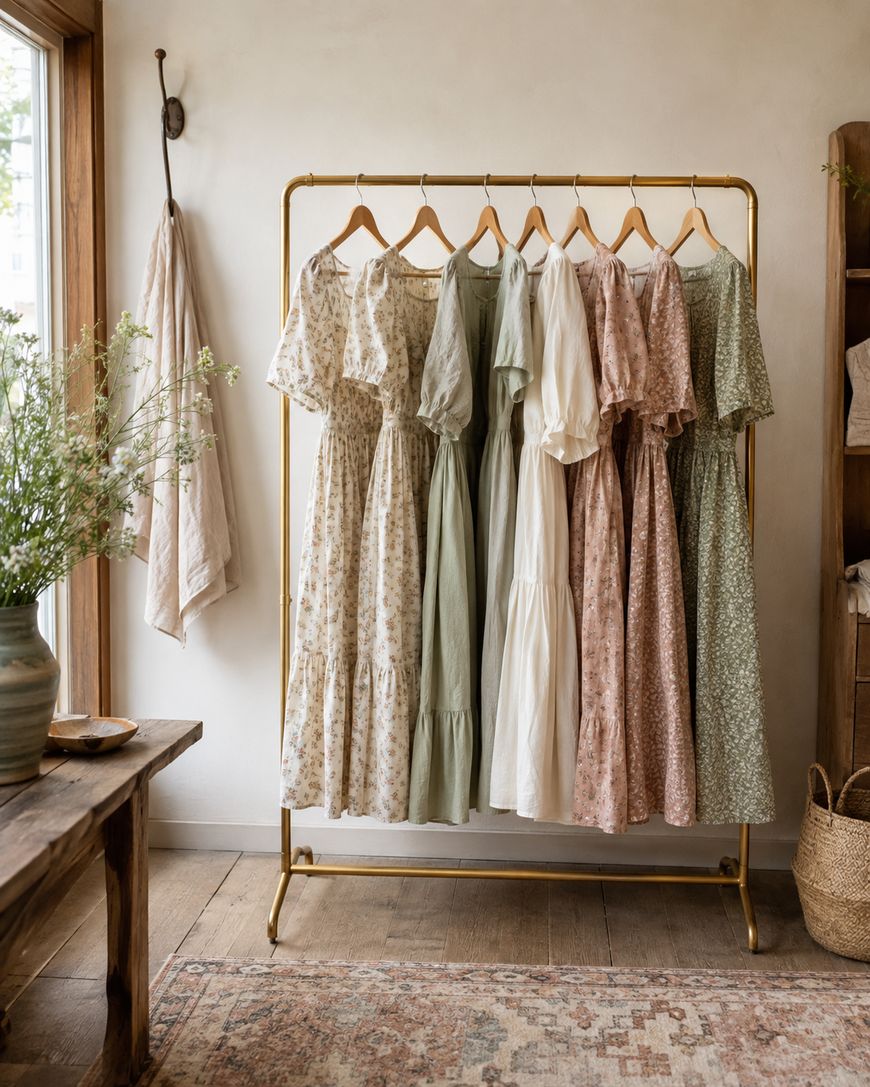
Start with a tightly edited capsule collection so your shop feels intentional from day one rather than sparse. Customers respond to a clear point of view, and a small, well chosen rack often outsells a cluttered one.
You can source pieces from small manufacturers, local designers, or even thoughtfully chosen wholesale lines. As you grow, you will learn which silhouettes and colors your customers keep coming back for, and you can lean into that data instead of guessing.
2. Handmade Jewelry Shop
A mini boutique built around handmade jewelry works beautifully in a small physical space or as a table at local markets. Rings, earrings, and layered necklaces are lightweight to stock and ship, which keeps your overhead low while you figure out demand.
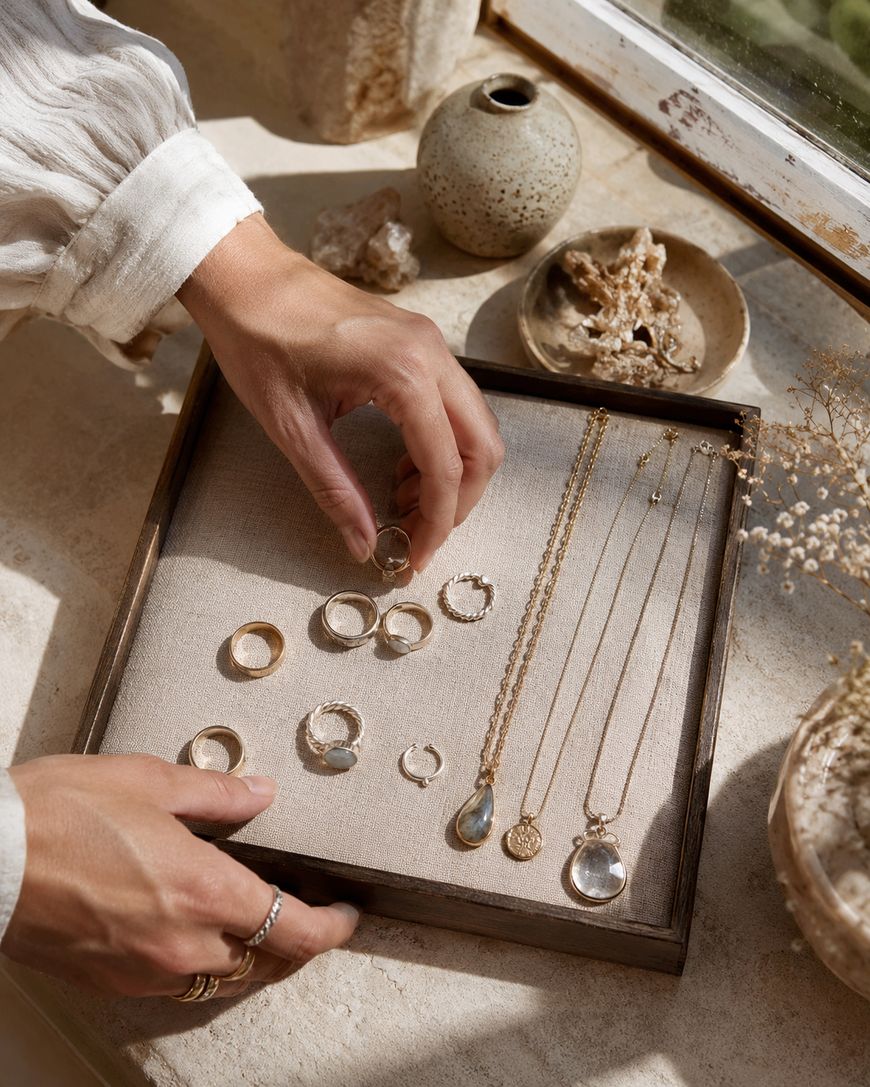
Consider offering a few customizable pieces, like birthstone necklaces or initial rings, since personalization tends to boost both price point and customer loyalty. A simple engraving tool or a relationship with a local engraver can go a long way here.
Photography matters enormously for jewelry, so invest time in natural light shots that show scale and sparkle clearly. Even a phone camera and a windowsill can produce professional looking product photos if you take the time to set them up properly.
3. Plant and Home Greenery Corner
Houseplants have stayed popular for years, and a small boutique dedicated to easy care plants and stylish pots taps right into that demand. This idea works well because plants are consumable in a sense, meaning customers return every few months for something new.
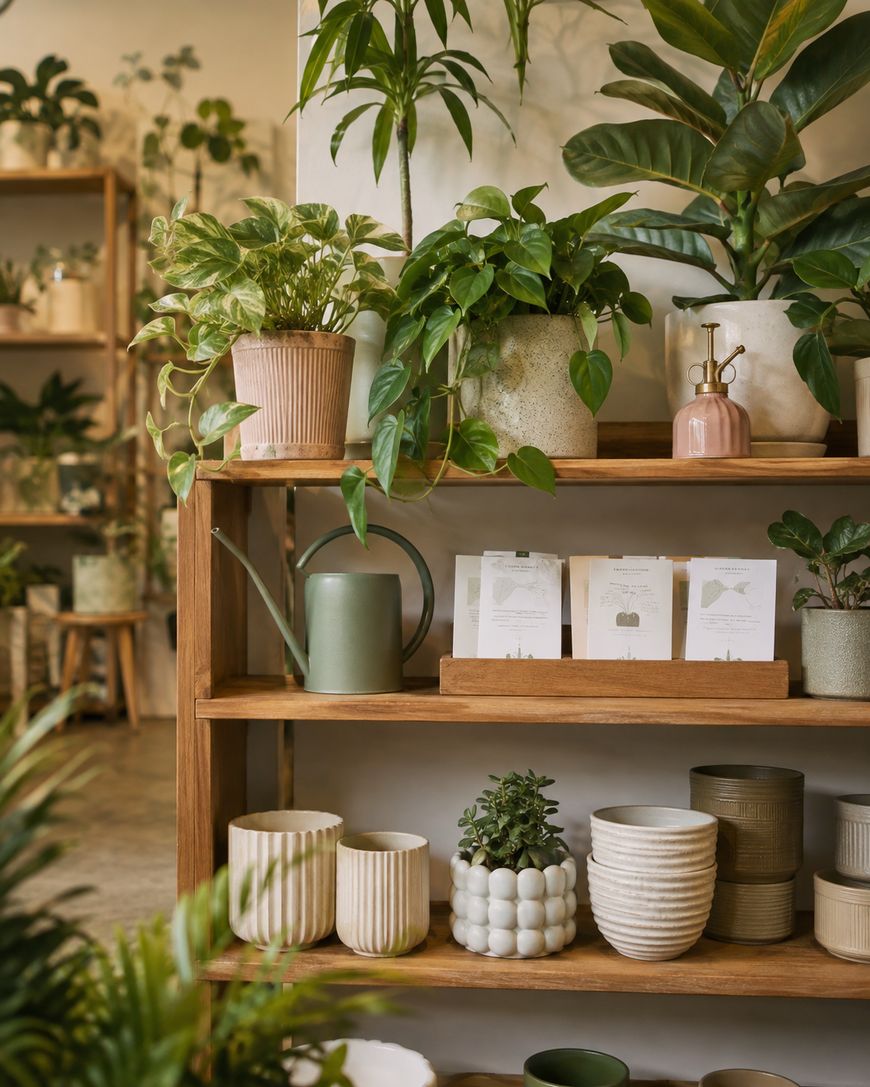
Pair your plants with care cards, decorative pots, and small watering tools to increase your average order size. Bundle a beginner plant with a matching pot and a simple care guide so new plant owners feel confident buying from you instead of a big box store.
A rotating selection based on season also keeps your shop feeling fresh. Succulents and cacti in the summer, cozy foliage plants in the fall, and amaryllis or paperwhites around the holidays all give you a natural content and marketing calendar.
4. Candle and Home Fragrance Studio
Candles remain one of the most approachable products for a first time boutique owner because the startup costs are relatively low and the margins can be strong. A mini boutique centered on candles and home fragrance lets you experiment with scent stories tied to seasons, moods, or local landmarks.
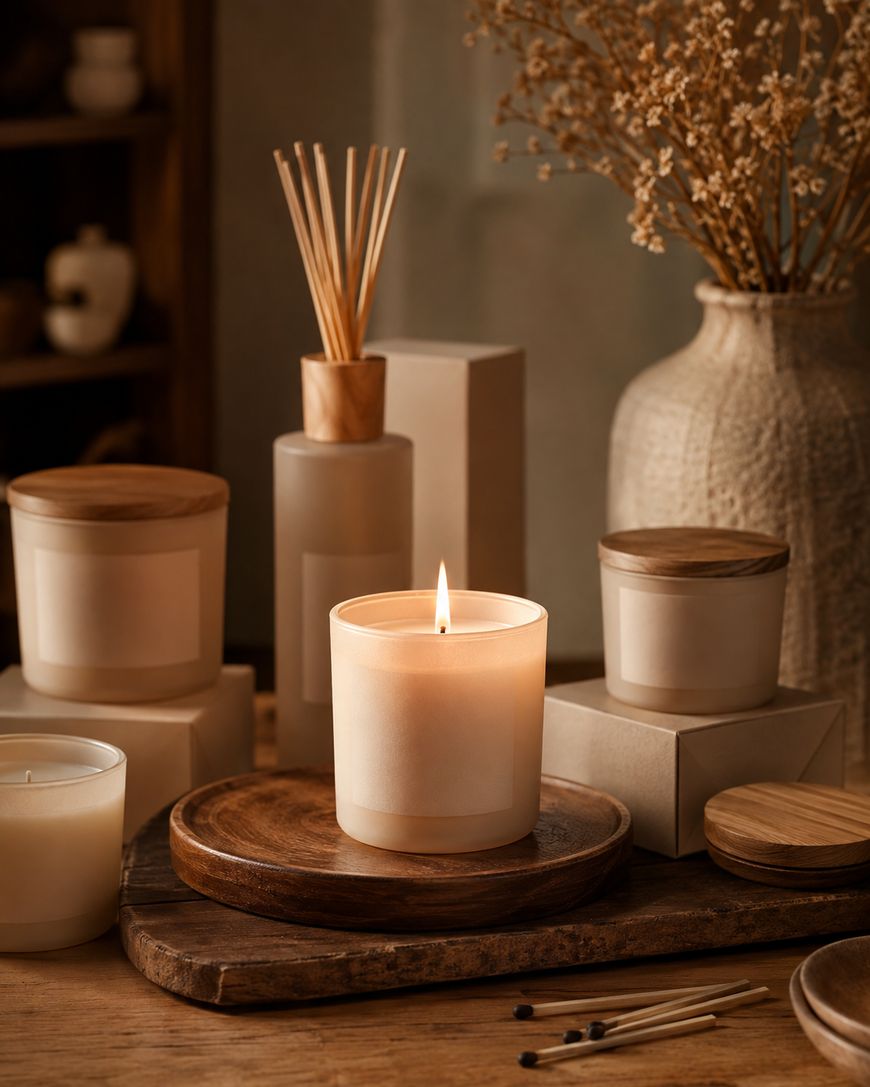
Offer a signature scent that becomes your shop’s calling card, alongside a rotating lineup of limited editions. This mix keeps loyal customers excited while giving new visitors an easy entry point.
Packaging deserves extra attention in this category since candles are often gifted. A cohesive label design and a nice box or wrap can make your product feel far more premium than the ingredient cost alone would suggest.
5. Vintage and Thrifted Finds Boutique
A vintage boutique lets you build a shop entirely around curation rather than manufacturing, which makes it one of the more accessible mini boutique store ideas on this list. You are essentially a stylist and a treasure hunter rolled into one.

Spend time at estate sales, thrift stores, and online resale marketplaces to build a consistent supply chain. Once you know your aesthetic, whether that is 90s streetwear or 1970s bohemian, sourcing becomes faster and more instinctive.
Because every piece is one of a kind, scarcity naturally drives urgency in your marketing. A simple “only one available” note on each listing can meaningfully increase how quickly items sell.
6. Stationery and Paper Goods Shop
Stationery boutiques appeal to a loyal, detail oriented customer base that loves greeting cards, planners, and beautifully designed notebooks. This niche pairs especially well with in person markets and pop up events, where tactile products shine.
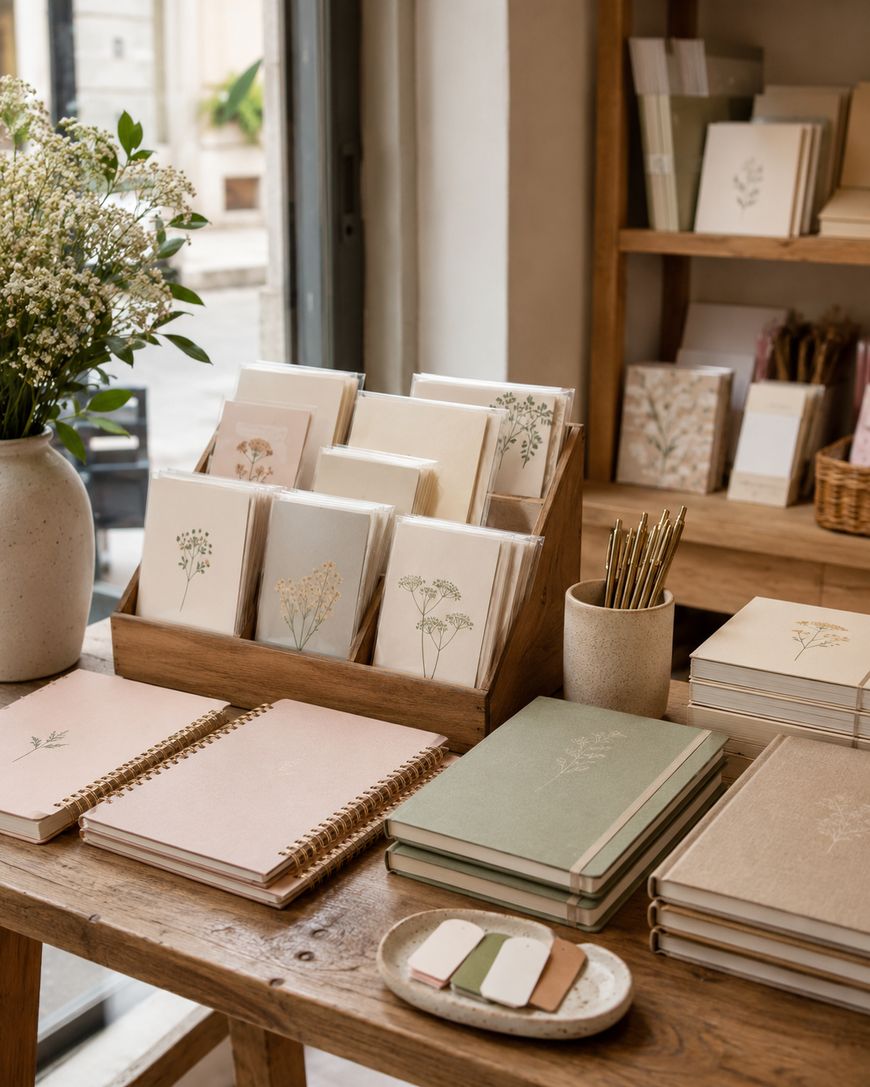
You can design your own line using a print on demand service or partner with independent illustrators for exclusive collections. Either approach lets you start small and scale your catalog as you learn what sells.
Seasonal collections built around holidays, back to school, or graduation season give you consistent reasons to bring customers back throughout the year.
7. Self Care and Bath Product Boutique
A boutique focused on bath bombs, body scrubs, and skincare taps into the ongoing demand for at home self care rituals. This category also lends itself well to gift sets, which tend to have a higher average order value than single items.

Highlight clean, simple ingredient lists since many customers in this space are specifically looking for gentler, more natural formulations. Being transparent about what goes into your products builds trust quickly.
Sampling is powerful here too. Small trial sizes let hesitant customers test a scent or formula before committing to a full size product, which can meaningfully reduce your return rate.
8. Pet Boutique for Accessories and Treats
Pet owners are known for spoiling their animals, which makes a small pet boutique a genuinely strong niche. Think stylish collars, cozy beds, and small batch treats rather than trying to compete with big pet supply chains on everyday essentials.
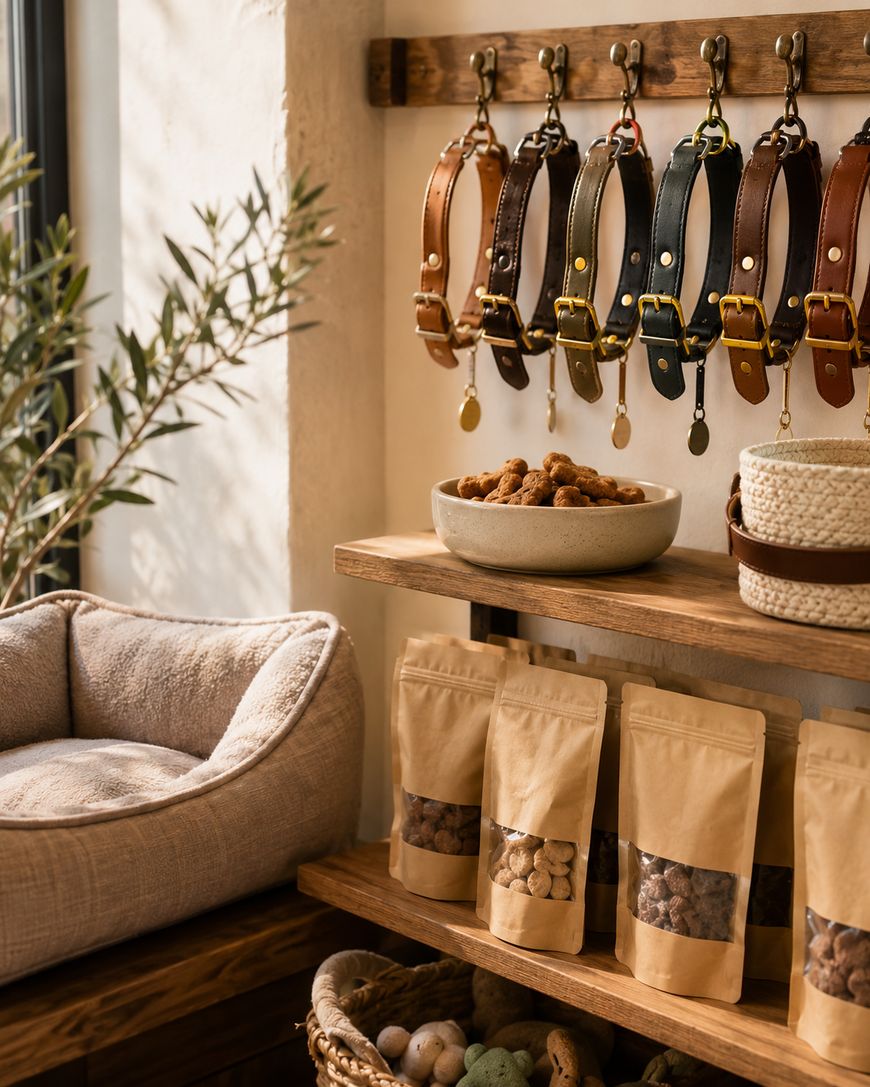
Focusing on accessories and treats over food and medical supplies keeps your inventory simpler and your margins healthier. You also avoid the regulatory complexity that comes with pet food and health products.
Local dog parks, groomers, and veterinary offices can be great partners for cross promotion, since your ideal customer is already spending time in those places.
9. Kids and Baby Boutique
A mini boutique built around baby clothes, milestone blankets, and nursery decor taps into a customer base that is often shopping for gifts as much as for their own children. Baby showers and new arrivals create a steady, predictable stream of gift buying occasions.
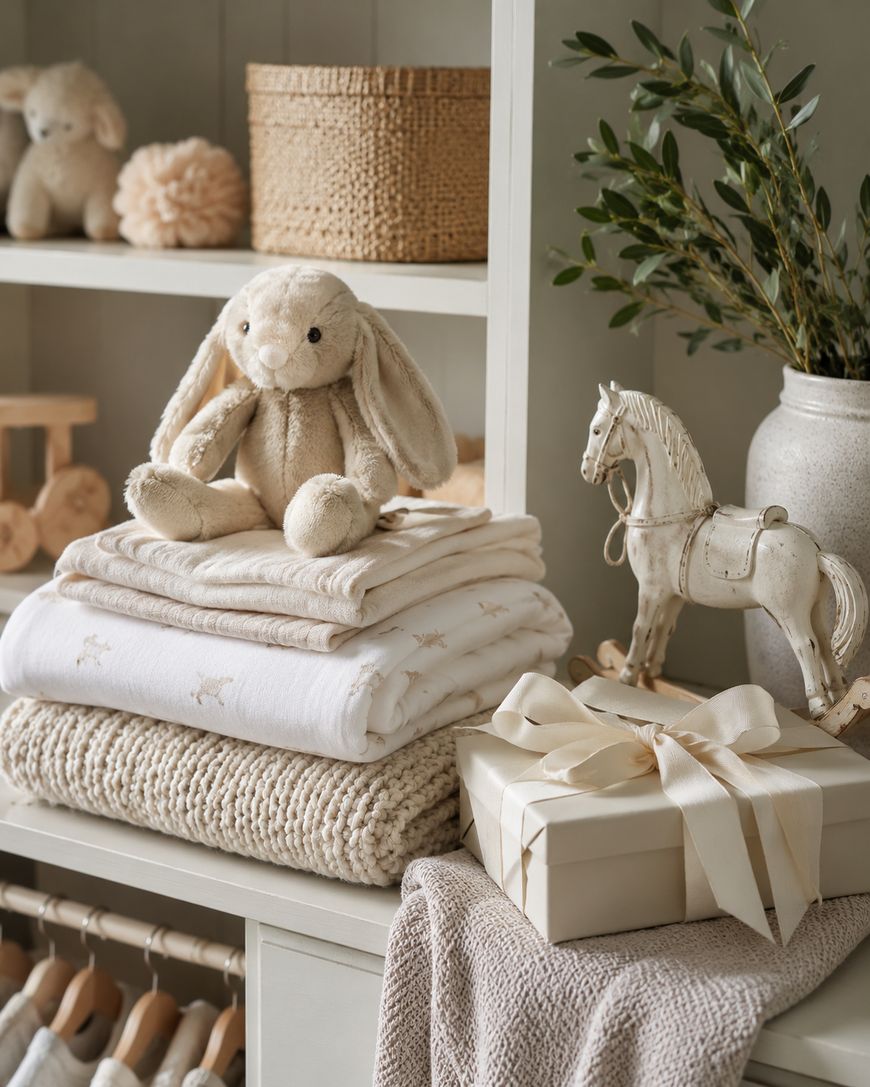
Soft, neutral color palettes and organic fabrics tend to perform especially well in this niche, since many parents are prioritizing comfort and sustainability. Offering gift wrapping as an add on service can also boost your conversion rate significantly.
Personalized items, like embroidered name blankets or growth charts, give you a way to stand out from mass market baby retailers while charging a premium.
10. Coffee and Tea Accessory Boutique
For anyone passionate about coffee or tea culture, a small boutique selling mugs, pour over kits, and specialty blends is a natural fit. This niche benefits from a built in sense of ritual, since customers are often shopping for their daily routine rather than a one time purchase.
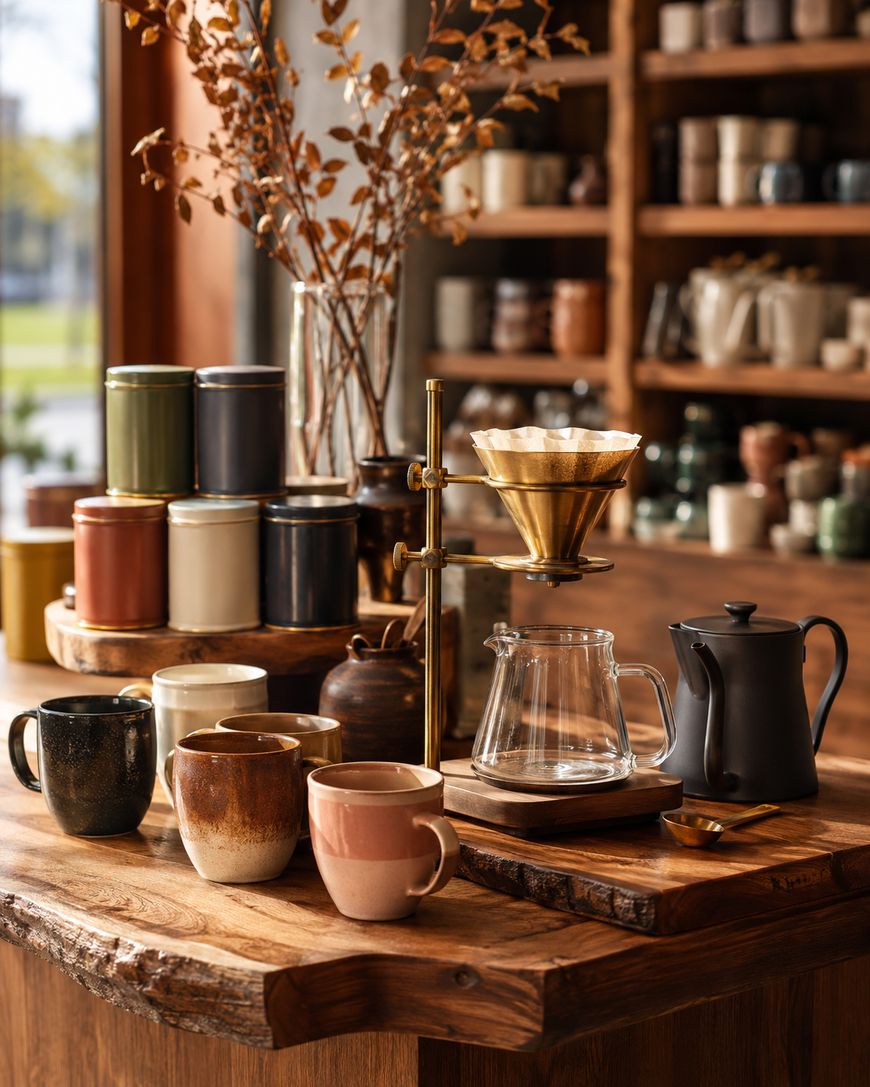
Consider hosting small in store tastings or brewing demonstrations if you have a physical space, since these events build community around your shop and turn casual browsers into regulars.
Subscription style offerings, like a monthly tea or coffee sampler, can also create recurring revenue that smooths out the ups and downs of one time sales.
Why Starting Small Works in Your Favor
Choosing one of these mini boutique store ideas rather than trying to be a general store gives you a real advantage as a new business owner. A focused niche is easier to market, easier to source for, and easier for customers to remember and recommend to friends.
Starting small also means you can test your concept with less financial risk. A pop up table, an online shop, or a small rented nook inside another store all let you validate demand before committing to a full lease and large inventory.
As you grow, the loyal customer base you build around a clear niche becomes one of your most valuable assets, often more valuable than the inventory itself.
Frequently Asked Questions
How much money do I need to start a mini boutique store?
Many of these mini boutique store ideas can start with a few hundred to a few thousand dollars, especially if you begin online or at local markets before committing to a lease. Costs scale up significantly once you add a physical storefront, so many owners start small and reinvest profits into growth.
Do I need a physical storefront to run a boutique?
No, plenty of successful boutiques start entirely online or through pop up markets and craft fairs. A physical space can come later once you have validated demand and built a loyal customer base.
Which mini boutique store idea is most profitable?
Profitability depends heavily on your local market, your sourcing costs, and how well you market your niche, so there is no single best answer. Categories with strong repeat purchase potential, like candles, self care products, or coffee accessories, tend to build steady recurring revenue over time.
How do I choose the right niche for my boutique?
Start with a category you are genuinely passionate about, since that enthusiasm will carry you through the slower early months. From there, research whether there is real demand in your area or online audience before investing heavily in inventory.
Can I run a mini boutique as a side business?
Yes, many of these ideas work well as a side business, especially ones that lean on online sales, local markets, or made to order products. This lets you test the concept without leaving your full time income behind right away.
What is the easiest mini boutique store idea for beginners?
Candles, stationery, and handmade jewelry tend to be the most beginner friendly since they require lower startup costs and simpler sourcing. They also give you room to learn photography, pricing, and marketing skills that transfer to any future boutique concept.
Ready to Open Your Own Mini Boutique?
With so many mini boutique store ideas to choose from, the hardest part is often just picking one and getting started. Pick the niche that excites you most, start small, and let your first sales guide you toward what grows next.



Leave a Reply