If you have been dreaming about starting a side hustle, these etsy shop ideas will help you find a niche that fits your skills, budget, and schedule.
You do not need a warehouse full of inventory or a big marketing budget to get started. You just need the right idea and a plan you can stick with.
Digital Products You Can Sell Without Inventory
Digital products are one of the easiest etsy shop ideas because you create the item once and sell it over and over again.
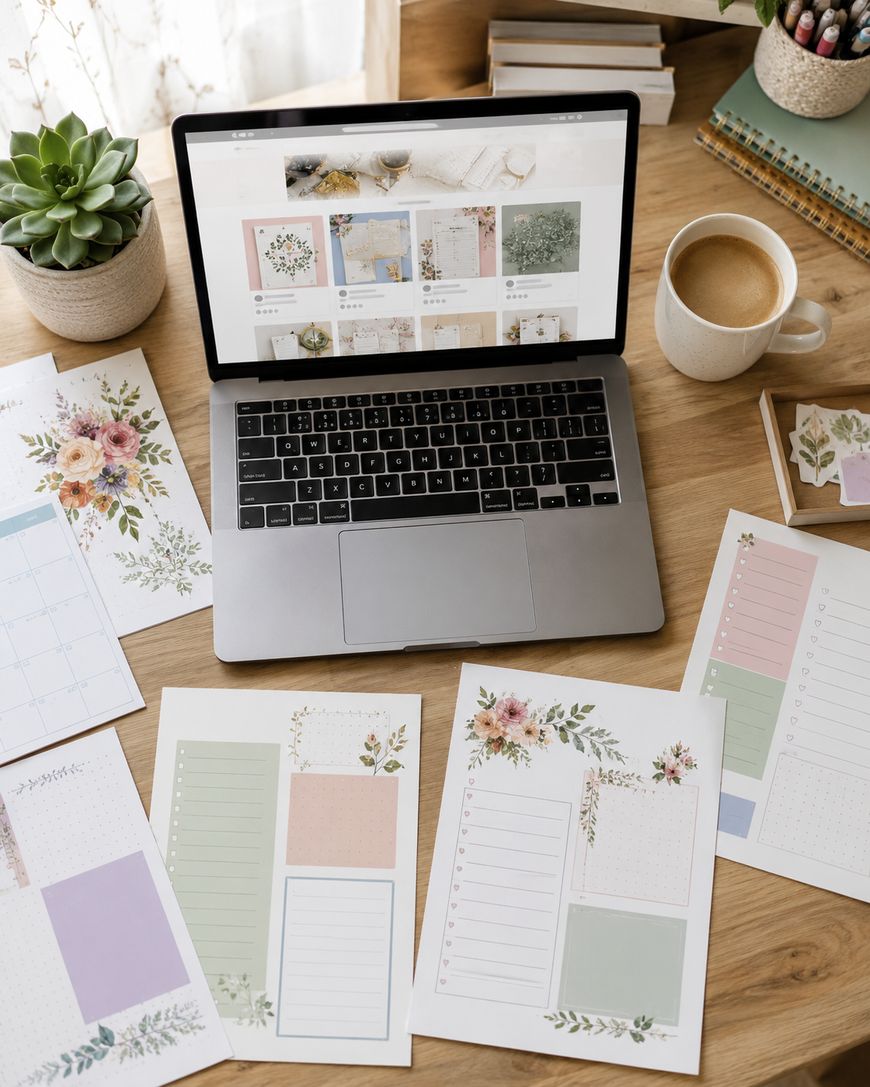
You can design printable planners, budget trackers, wedding invitations, or wall art that customers download instantly. There is no shipping involved, which means your overhead stays low and your profit margin stays high.
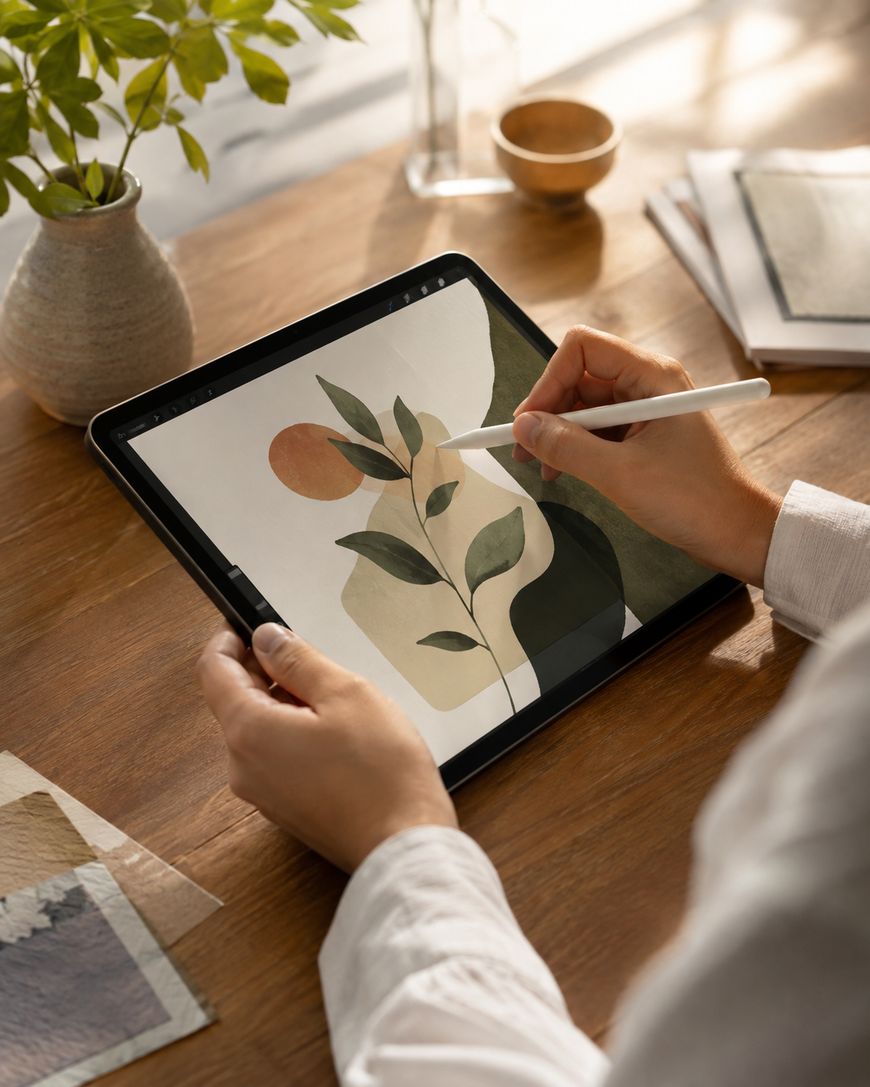
Start with a template you already use in your own life, like a meal planner or a cleaning schedule, and turn it into a polished product. Buyers respond well to items that solve a real, everyday problem.
Canva and Adobe Illustrator are the two most common tools sellers use to build these files. Canva has a free plan that is more than enough to get your first few listings live; Illustrator is subscription-only, with a seven-day trial, so most sellers start on Canva and only move across if they need vector work.
Handmade Goods With Low Startup Costs
Handmade items remain some of the most popular etsy shop ideas because shoppers come to Etsy specifically looking for one-of-a-kind pieces.
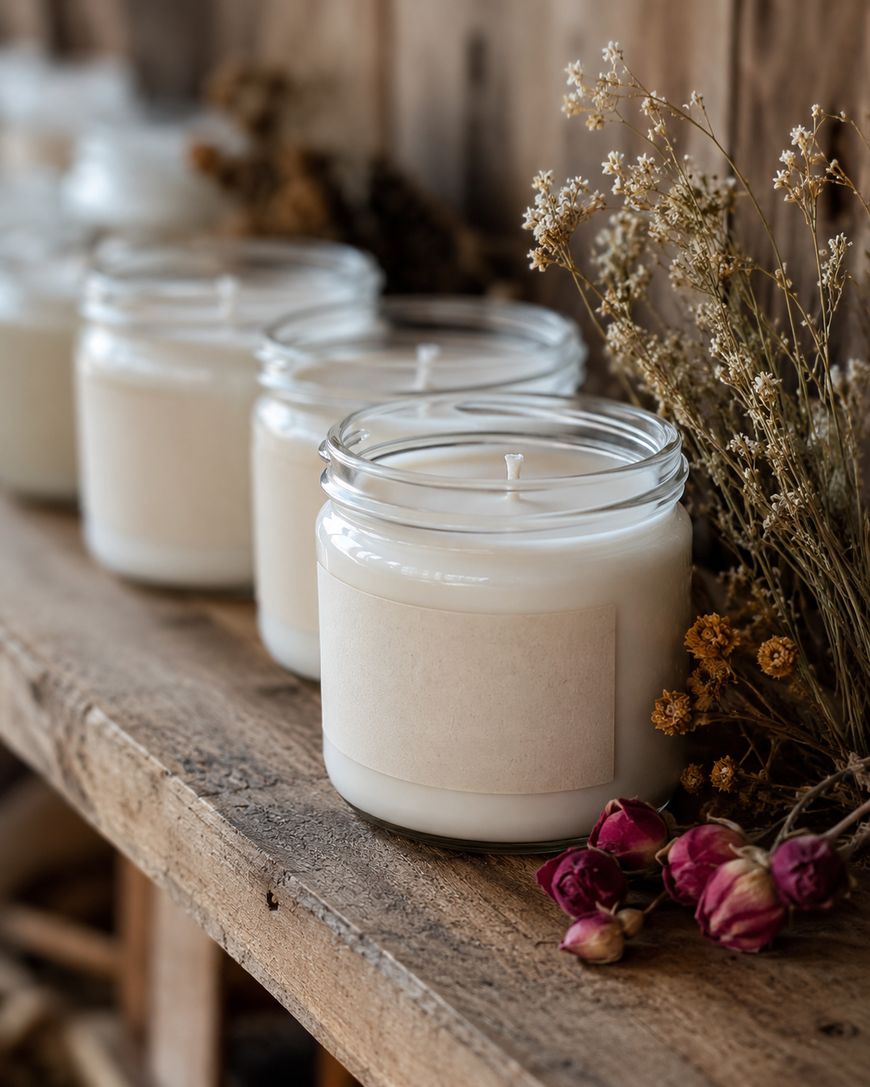
Candles, soaps, jewelry, and small home decor pieces are all approachable for beginners. You can start with a small batch of supplies from a craft store and scale up once you see what sells.
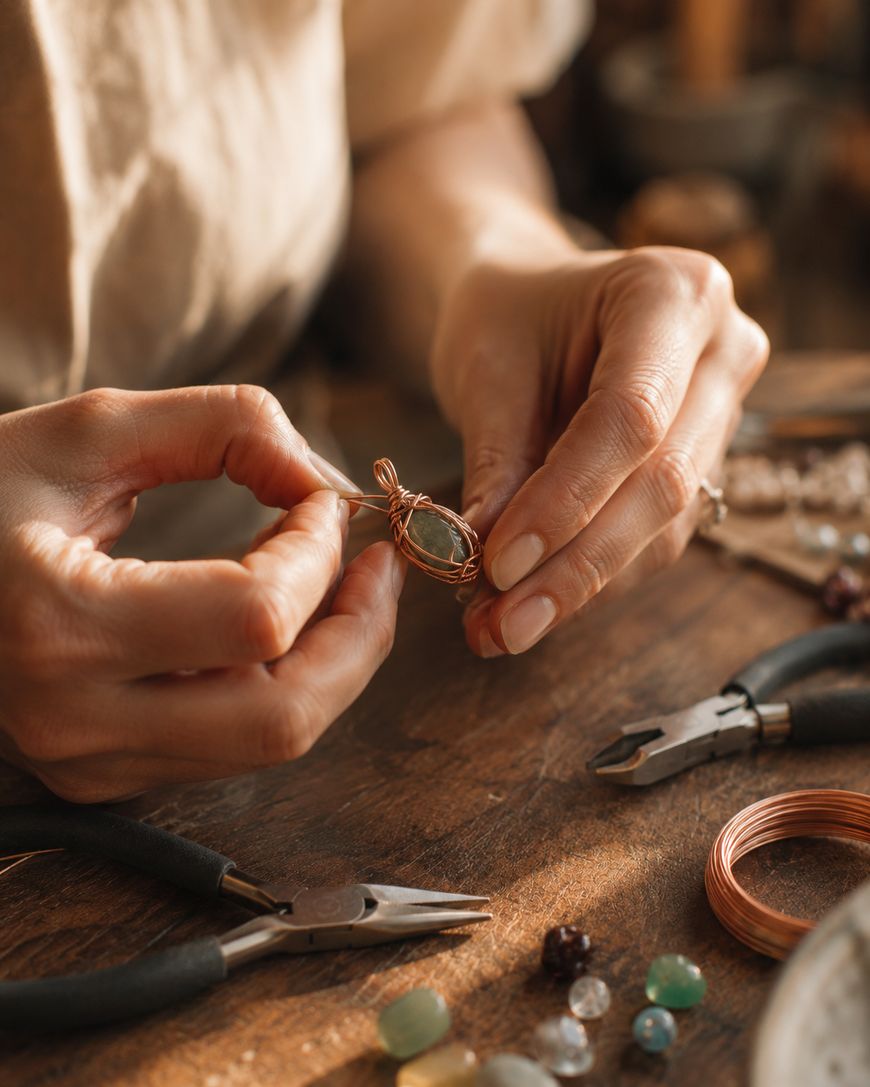
Jewelry making, in particular, has a wide range of entry points. You can start with beading and wire wrap techniques before investing in more advanced tools like a torch for metalsmithing.
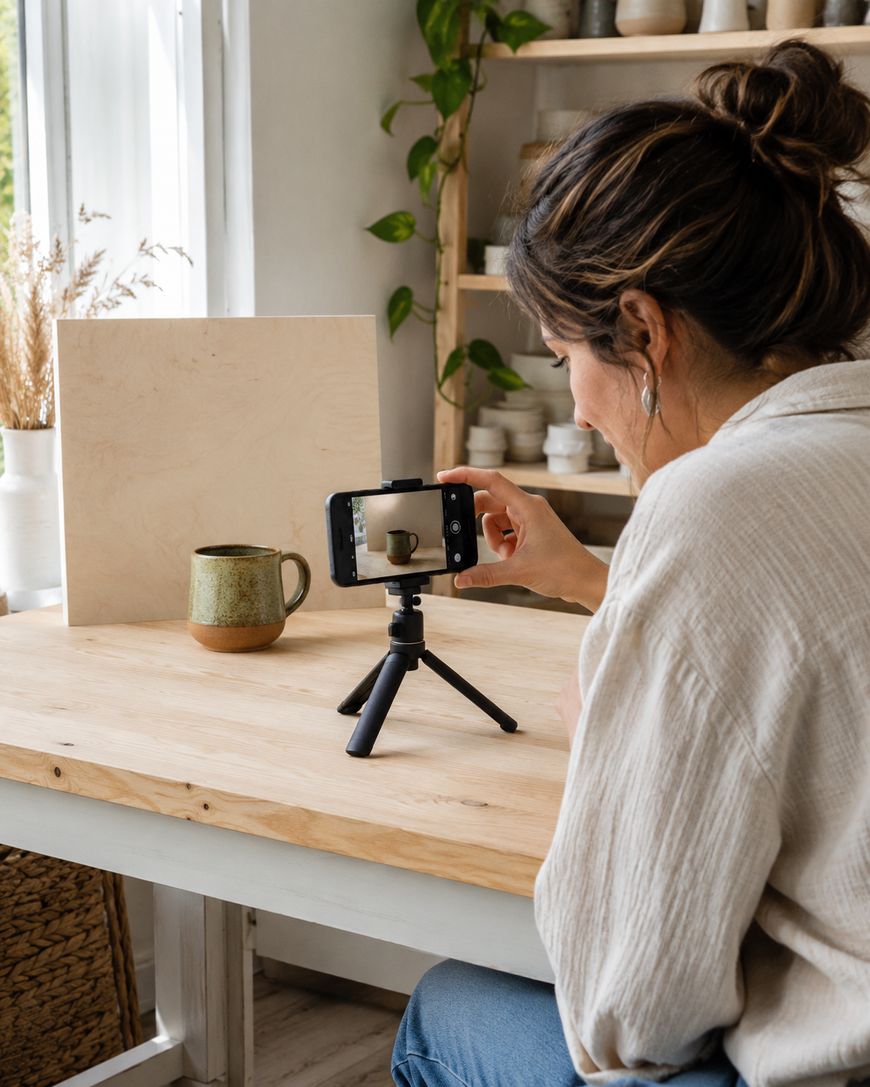
Photograph your handmade items in natural light against a simple background so the product details stand out. Good photos are one of the biggest factors in whether a shopper clicks on your listing.
Personalized and Custom Items
Personalization adds value that mass-produced items cannot match, which is why custom shops tend to see strong repeat business.
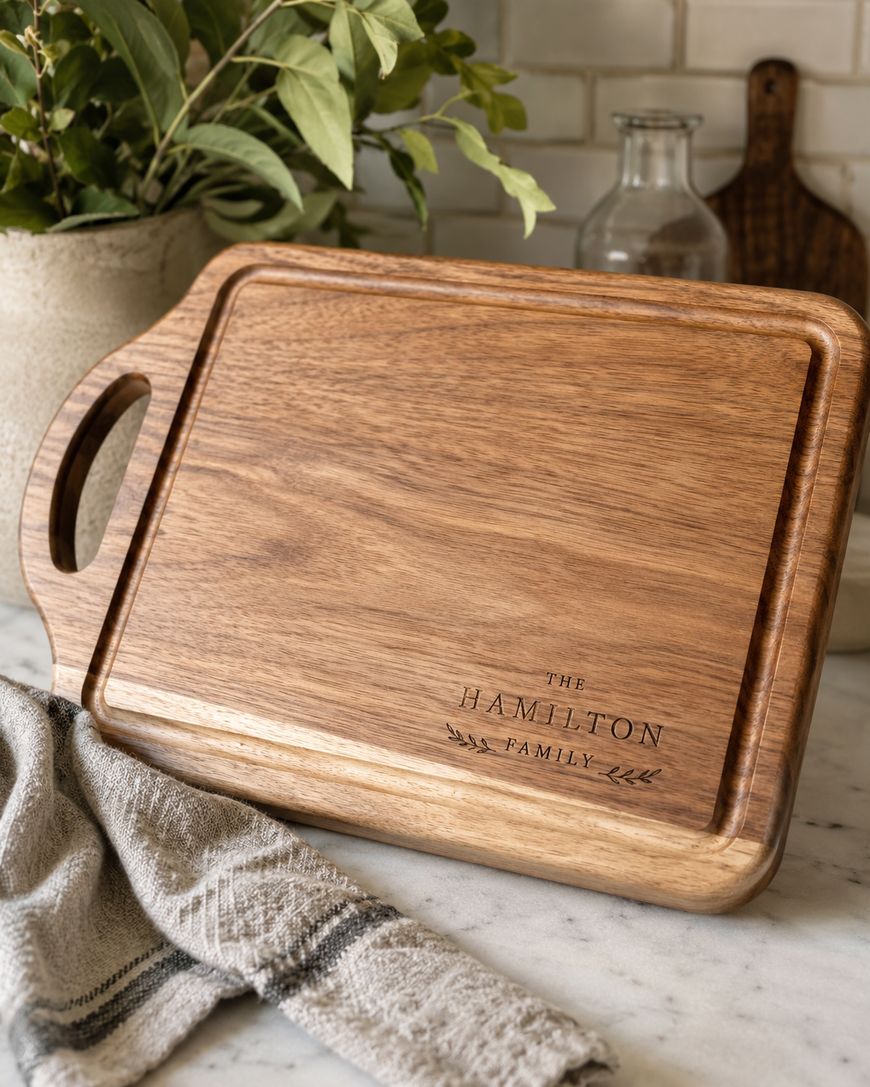
Think engraved cutting boards, monogrammed tote bags, custom pet portraits, or name necklaces. Customers are often willing to pay more for something made specifically for them or a gift recipient.
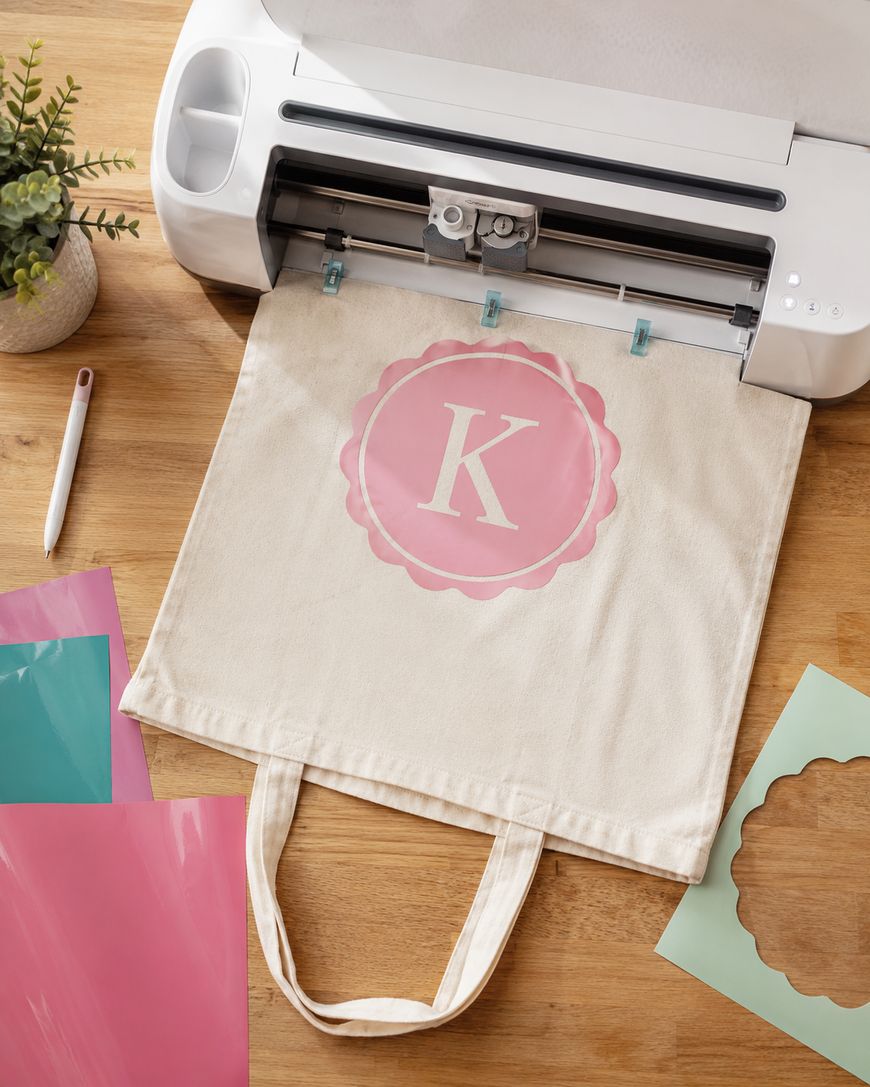
If you already have a laser engraver, a Cricut, or basic sewing skills, personalized products let you put those tools to work right away.
Vintage and Curated Resale
Not every shop needs to sell something you made by hand. Etsy also supports vintage sellers who source items that are at least 20 years old.

Thrift stores, estate sales, and flea markets are great places to source inventory for this kind of shop. You can focus on a specific era or category, like mid-century kitchenware or vintage denim, to build a recognizable brand.
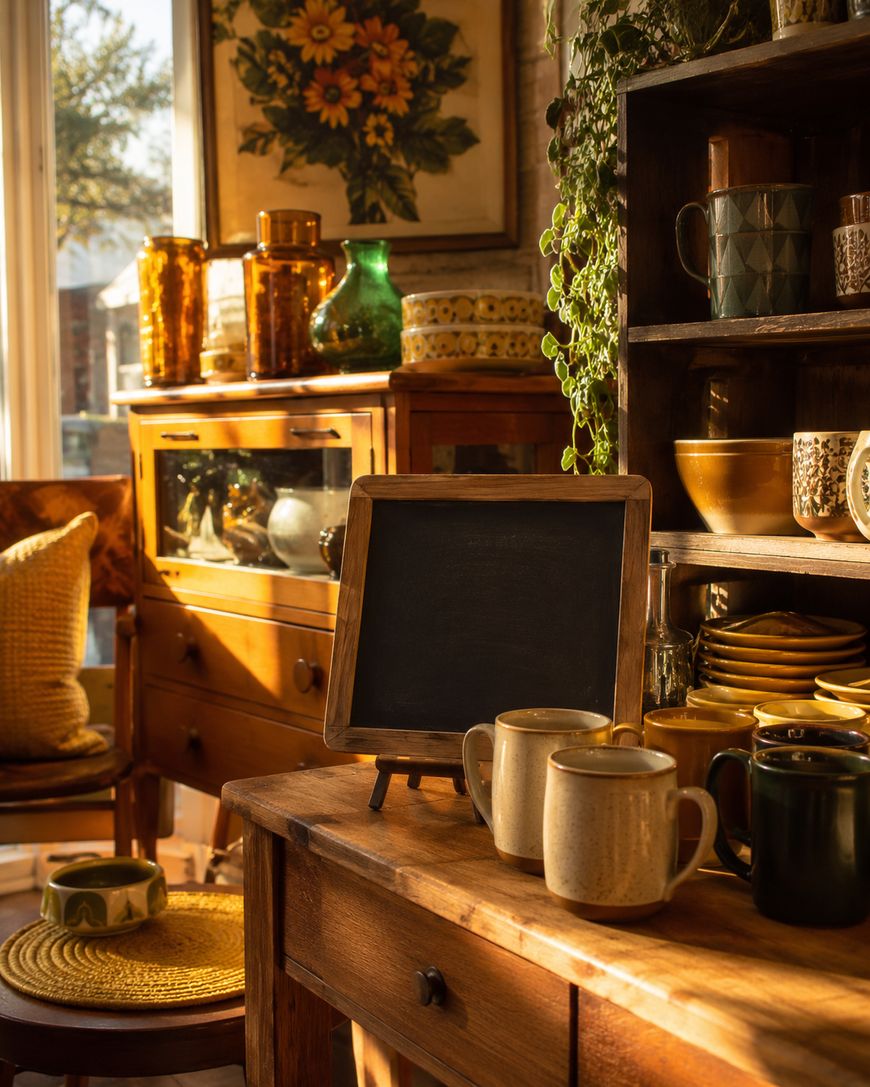
Research completed listings on Etsy before you buy inventory so you know an item will actually sell before you commit money to it. This one habit saves new vintage sellers from a lot of wasted spending.
Craft Supplies and Party Goods
Selling supplies to other makers is a smart etsy shop ideas category because you are tapping into a built-in audience of crafters already shopping on the platform.
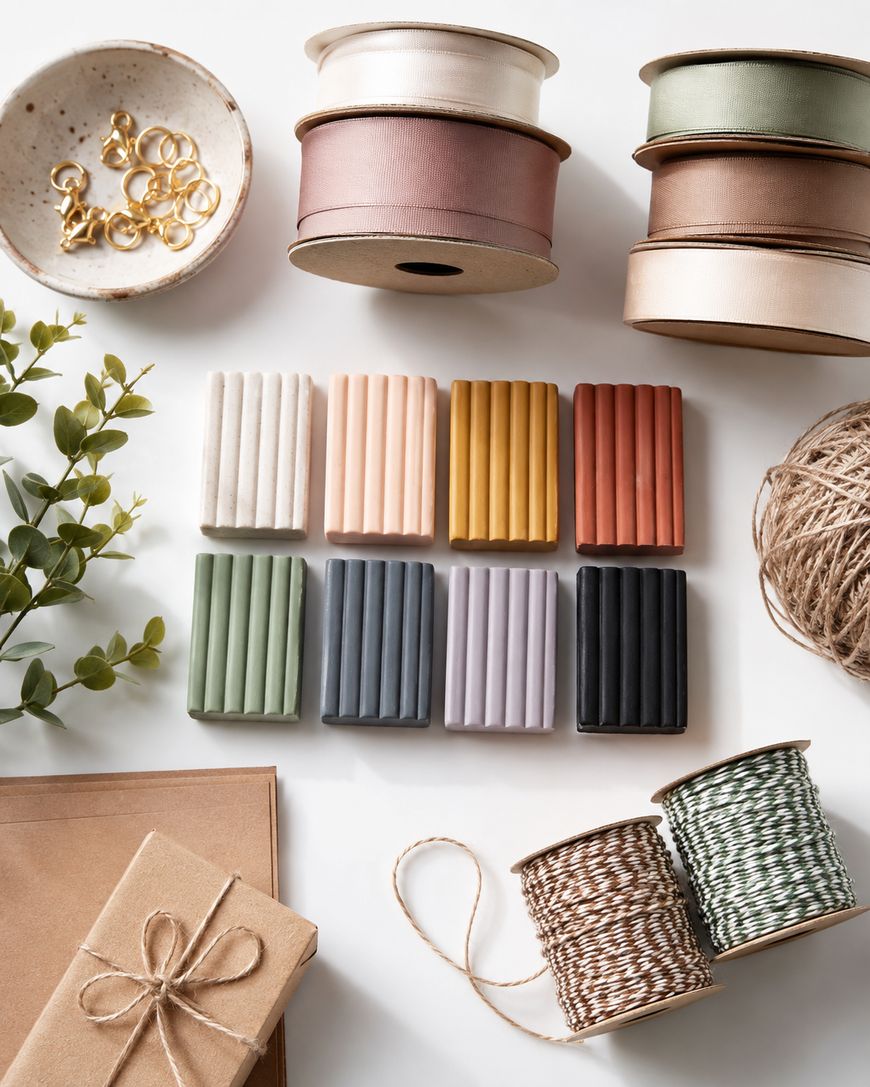
Ribbon, beads, polymer clay, and packaging materials all have steady demand. Party goods like custom banners, cake toppers, and favor tags also do well, especially around wedding and birthday seasons.
Why Etsy Is Worth Trying
Etsy gives small sellers access to millions of shoppers who are already searching for handmade, vintage, and custom items, which is a major advantage over building a storefront from scratch.
The platform also handles a lot of the technical side of running a store, including payment processing and basic analytics, so you can focus on your product instead of building a website from the ground up.
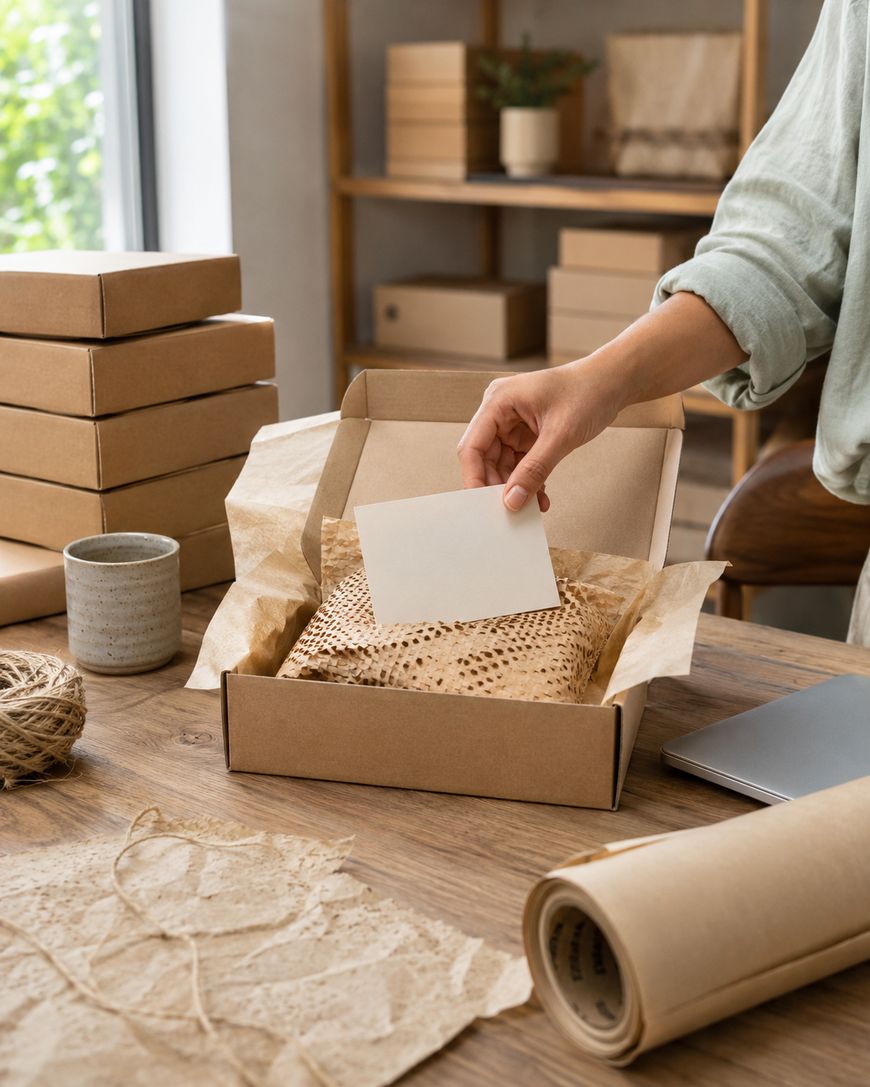
Starting small lets you test an idea with minimal risk. Many successful shop owners began with just a handful of listings made in their spare time before growing into a full business.
Frequently Asked Questions
How much does it cost to start an Etsy shop?
Opening a shop costs a listing fee of about twenty cents per item, and Etsy then takes a 6.5% transaction fee plus payment processing on every sale, so factor both into your pricing rather than the listing fee alone. Your biggest upfront cost will be materials or supplies, which can range from under fifty dollars for digital products to a few hundred dollars for handmade goods.
What sells best on Etsy right now?
Personalized gifts, digital planners, and handmade jewelry consistently rank among the top categories. Home decor and wedding-related items also see strong seasonal demand throughout the year.
Do I need to be crafty to start an Etsy shop?
Not at all. Digital products, vintage resale, and craft supply shops do not require you to make anything by hand, so you can build a shop around sourcing or design skills instead.
How long does it take to make sales on Etsy?
Most new shops take a few weeks to a few months to gain traction as their listings get indexed and reviews start coming in. Consistent listing and good photos tend to speed up that timeline.
Can I run an Etsy shop part time?
Yes, many successful sellers start their shop alongside a full time job. Digital products and made-to-order items are especially easy to manage on a part time schedule since you control your own production pace.
Should I focus on one niche or sell a variety of products?
Focusing on one niche usually helps you build a recognizable brand and makes it easier for shoppers to find you through search. You can always expand once your first product line is established.
Ready to Launch Your Shop
With so many etsy shop ideas to choose from, the best next step is picking the one that matches the time, tools, and budget you already have.
Open your shop, list your first few items, and refine your approach as you learn what your customers respond to.
You might also like: 27 best small business ideas for teens
You might also like: 10 Best Freebie Ideas for Small Business Owners



Leave a Reply