If you love spending time in the kitchen, you’ve probably wondered whether you could turn that passion into a paycheck. These food business ideas cover a wide range of budgets, skill levels, and time commitments, so you can find the one that fits your life right now.
1. Personal Chef Services
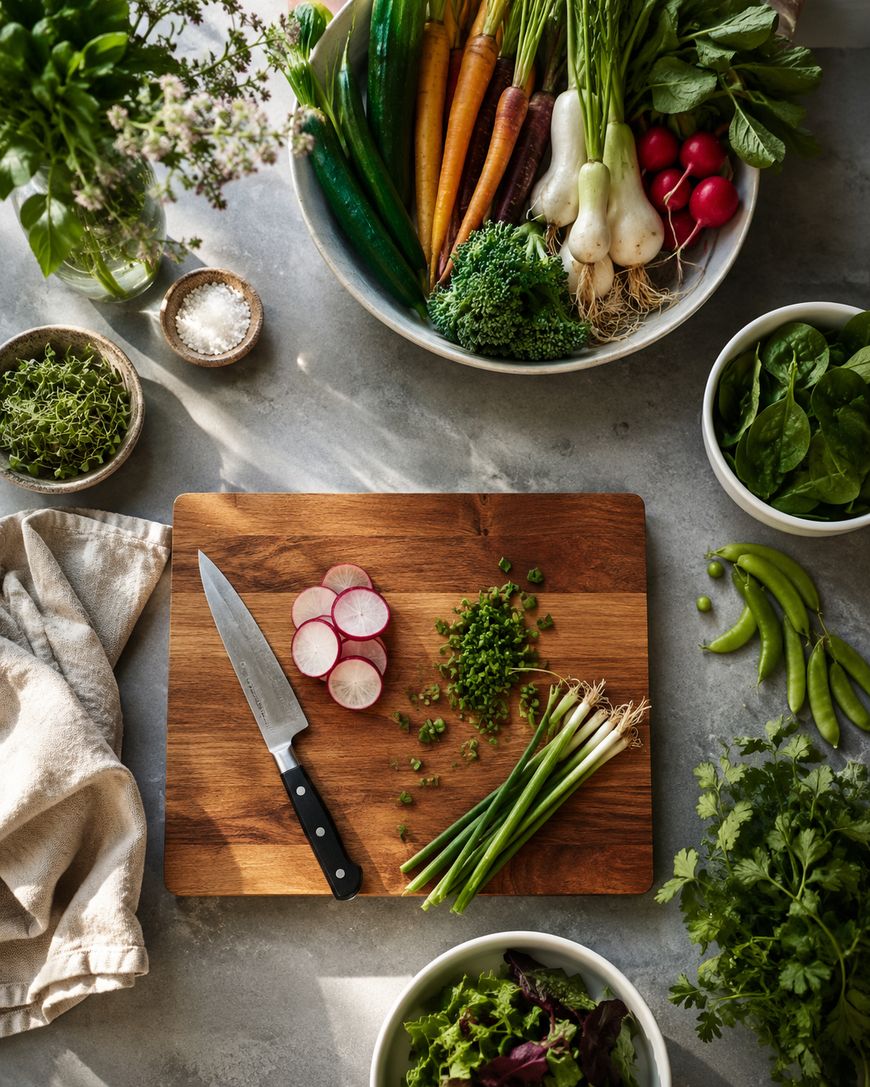
You can cook directly in a client’s home, preparing a week’s worth of meals in a single visit. This model works well if you enjoy variety, since every client has different tastes, allergies, and household needs.
Personal chef work often pays better than catering per hour, because you’re selling your time and expertise rather than just food. Start by offering your services to two or three neighbors at a discounted rate to build reviews and referrals.
2. Meal Prep Delivery Service
You can batch-cook a set menu each week and deliver portioned containers to local customers. This idea scales well because you’re cooking the same dishes in bulk rather than customizing every order.
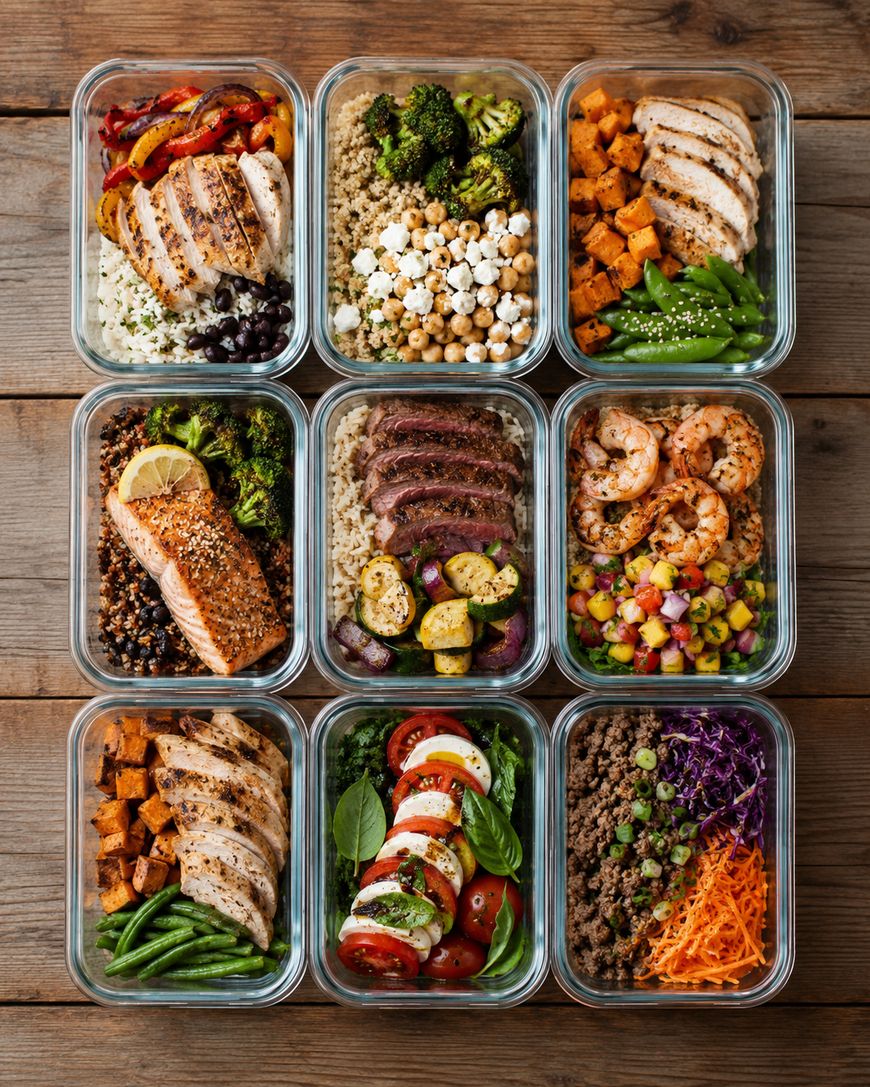
Many meal prep businesses start out of a home kitchen before moving into a shared commercial space once demand grows. You’ll want to research your state’s cottage food laws before you begin taking orders, since rules vary widely on what can be sold and how.
3. Specialty Baked Goods
You can focus on a niche like gluten-free cookies, custom cakes, or sourdough bread rather than trying to bake everything. A tight focus makes it easier to master your recipes and market yourself as the go-to person for that specific product.
Farmers markets, local Facebook groups, and small coffee shops are all good first outlets for specialty baked goods. Photograph every batch in natural light so your product photos look consistent and professional from day one.
4. Food Truck or Cart
You can bring your menu directly to busy streets, events, and festivals instead of waiting for customers to come to you. A food cart requires a smaller upfront investment than a full truck, making it a reasonable entry point if your budget is tight.
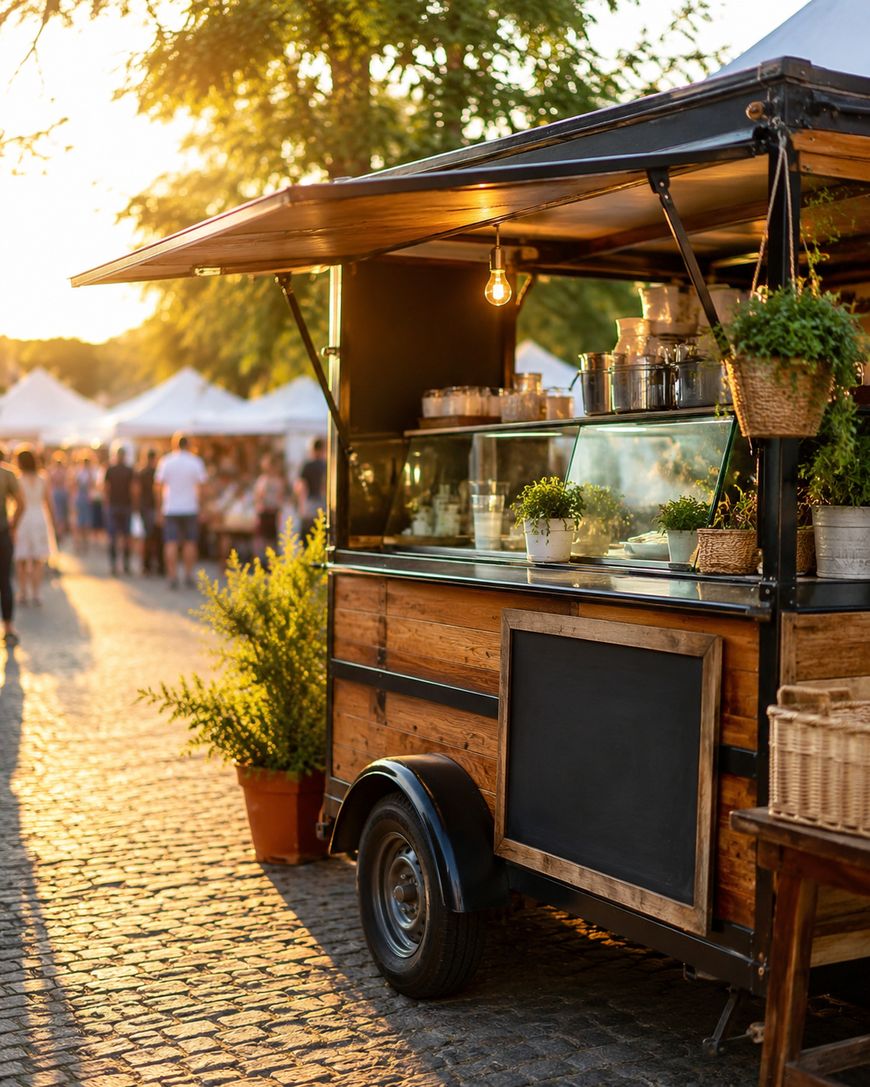
Permitting requirements for mobile food vendors differ by city and county, so check with your local health department before committing to a build-out. Many successful truck owners test their concept at a single weekly market before investing in a full vehicle.
5. Private Cooking Classes
You can teach people how to make dishes you already know well, whether that’s pasta from scratch, knife skills, or a specific cuisine. Cooking classes work as both an in-person and virtual business, which gives you flexibility in how you scale.
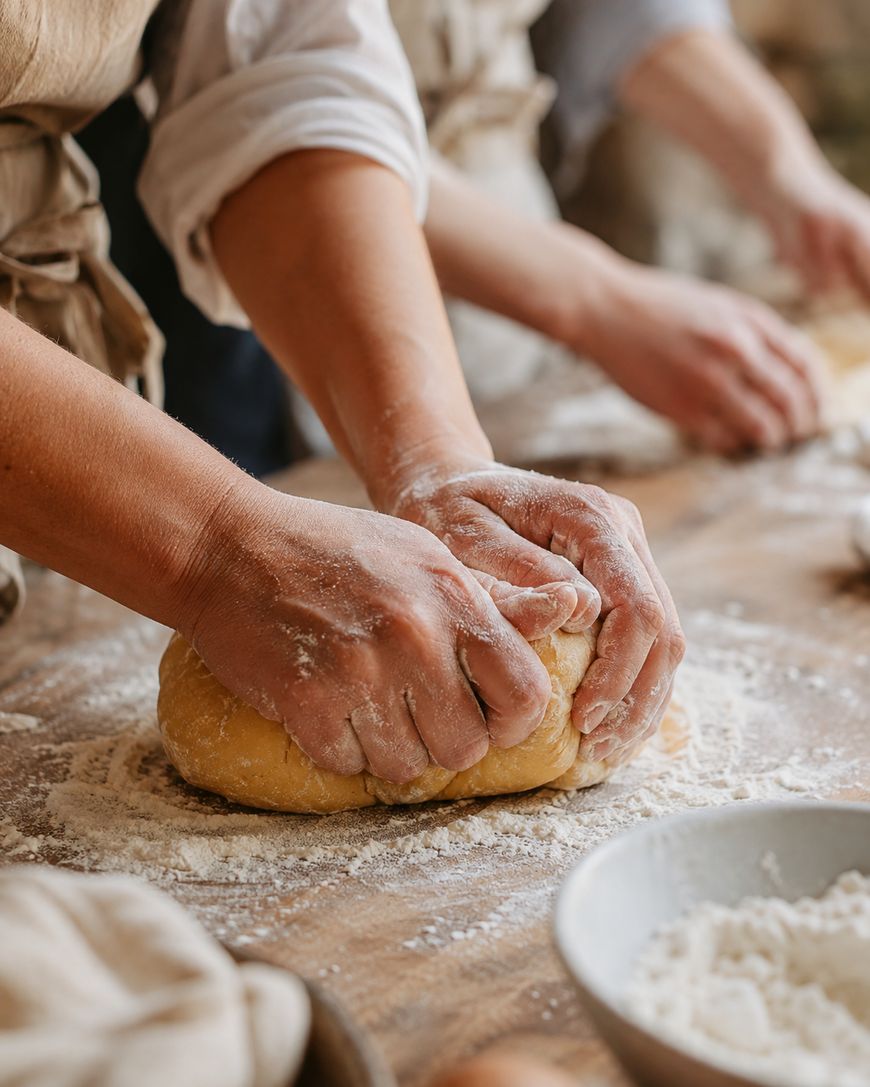
Local kitchen supply stores and community centers often rent space by the hour for exactly this kind of class. Record your first class so you can repurpose it into an online course later.
6. Packaged Snack Line
You can develop a single standout product, like flavored granola or spiced nuts, and sell it in shelf-stable packaging. Packaged goods have a longer runway than fresh food, since you’re not racing a shelf life measured in days.
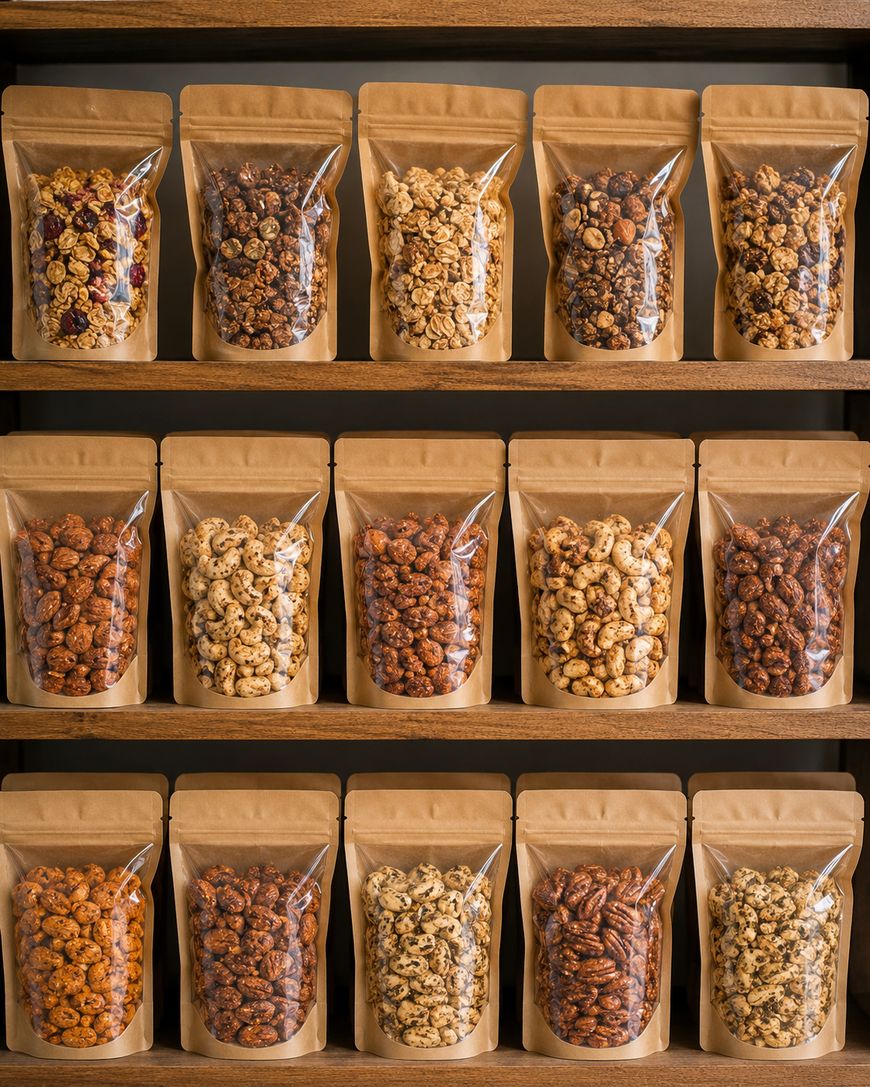
Getting a product into a local grocery store usually starts with a conversation with the store’s buyer, not a cold application. Co-packers can help you scale production once demand outpaces what you can make in your own kitchen.
7. Catering for Small Events
You can cater baby showers, office lunches, and birthday parties without taking on the overhead of a full catering company. Small events are a good starting point because the order sizes are manageable and the client relationships tend to be more personal.
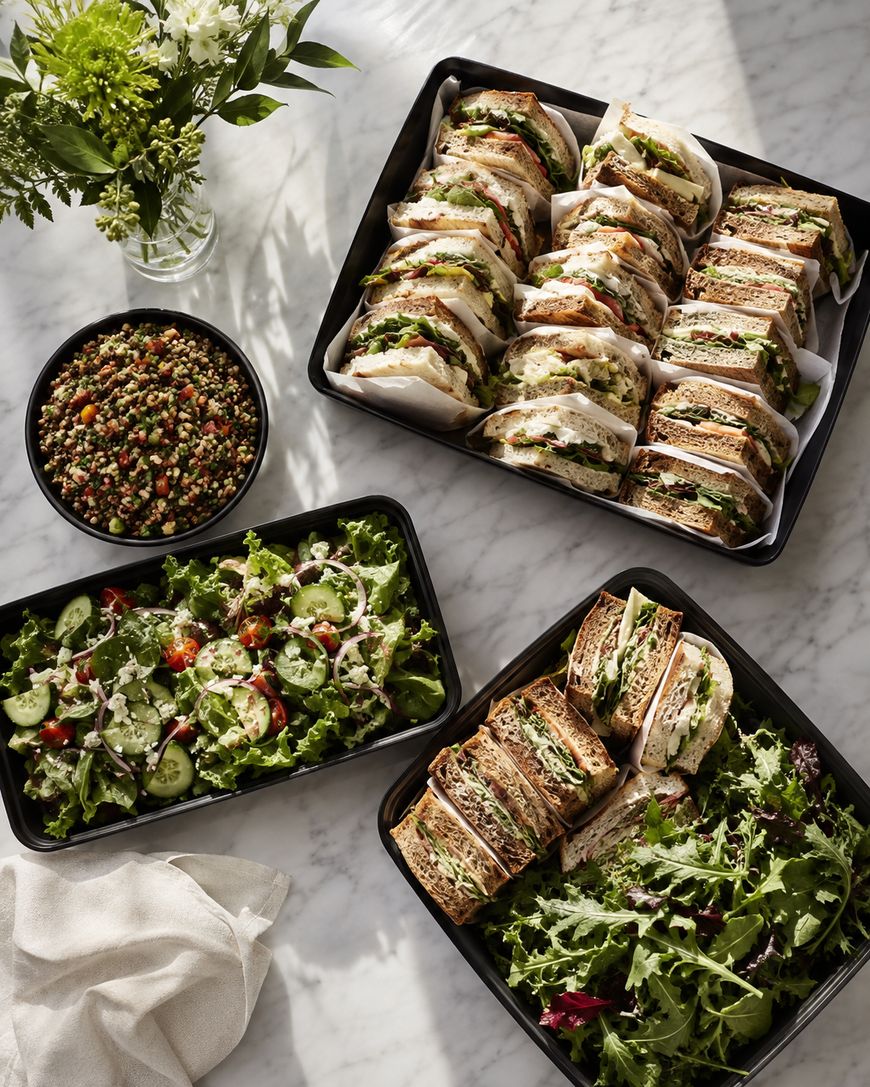
Building a simple portfolio site with photos and sample menus makes it much easier for people to book you with confidence. Ask every satisfied client for a testimonial you can post right after the event.
8. Specialty Sauce or Condiment Brand
You can bottle a recipe you already make often, like a hot sauce, salad dressing, or barbecue sauce, and sell it under your own label. This idea works well long-term because bottled products can be shipped nationwide once you have the right licensing in place.
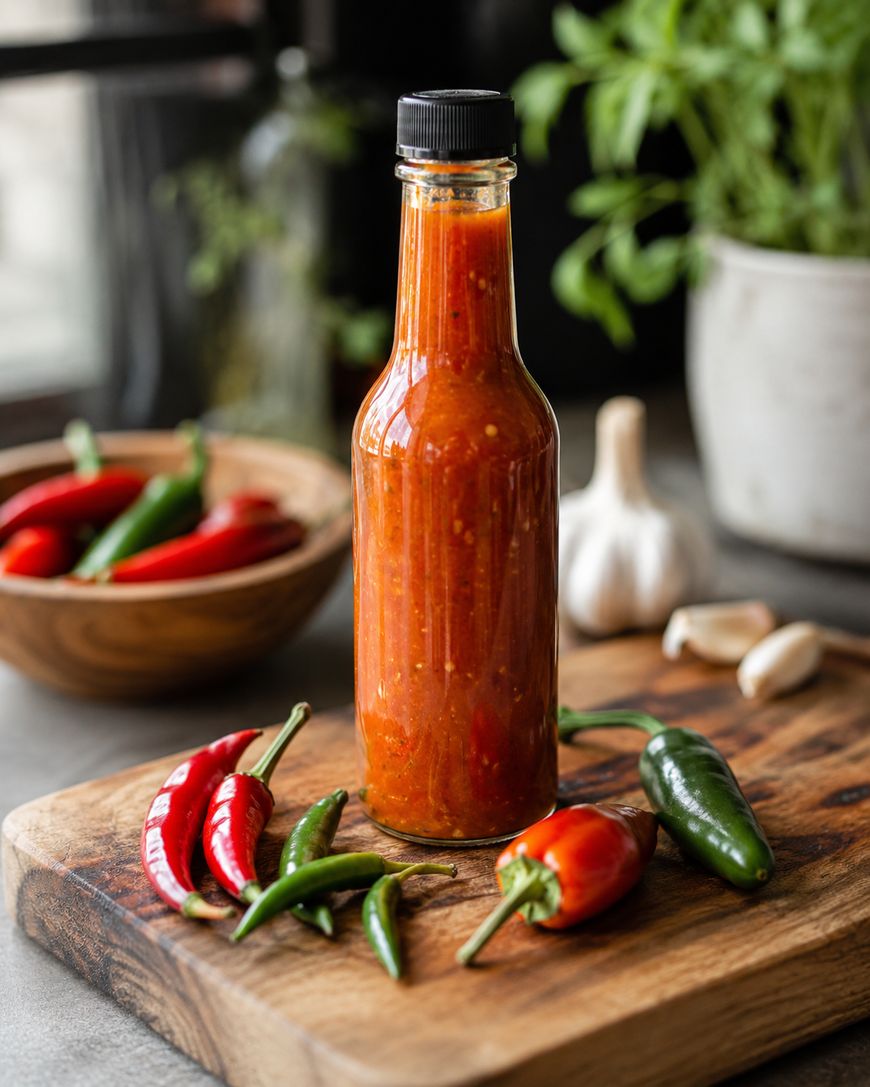
Farmers markets are the classic testing ground for a new sauce brand, letting you get direct feedback before investing in larger production runs. Many condiment brands eventually move into specialty grocery stores once they’ve proven demand locally.
9. Subscription Box for Food Lovers
You can curate a themed box, like international snacks, hot sauces, or baking kits, and ship it monthly to subscribers. Subscription boxes create recurring revenue, which is more predictable than one-off sales.
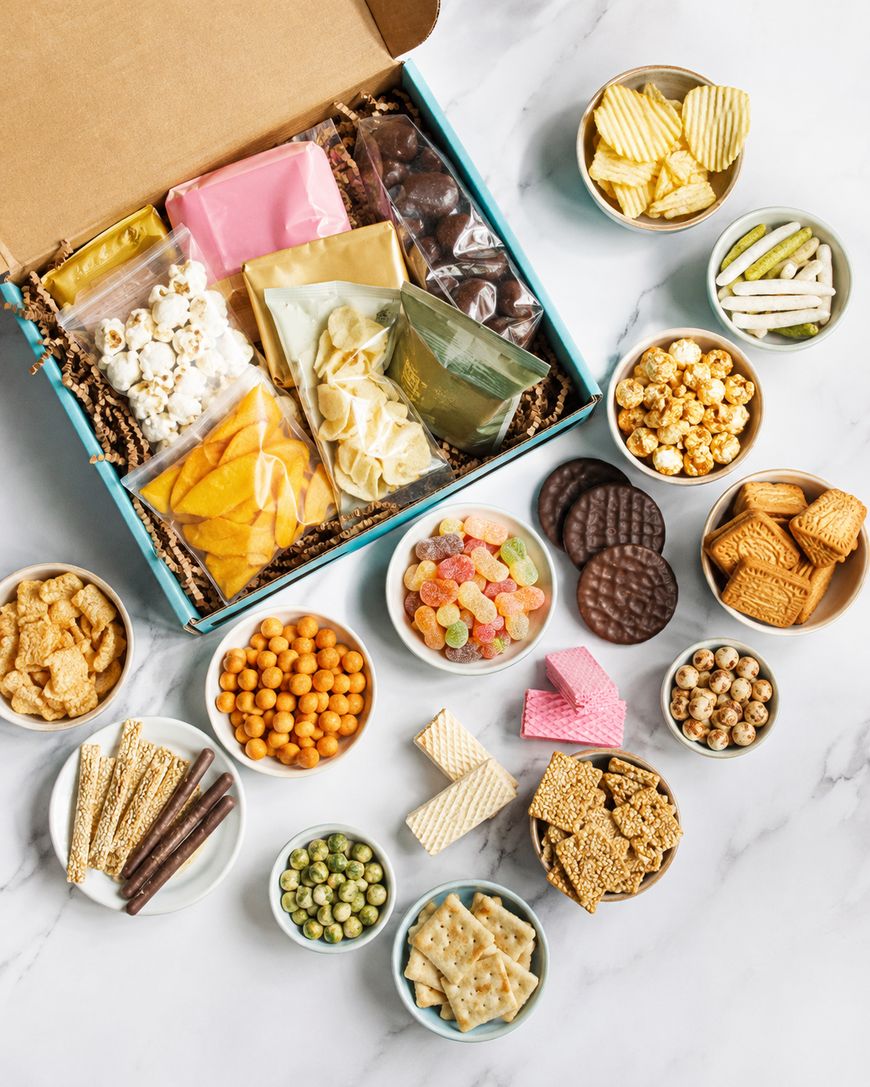
Sourcing relationships with small producers can help you keep your box fresh and interesting month over month. Cap your first cohort at a small number of subscribers so you can work out shipping and packaging kinks before scaling up.
10. Pop-Up Restaurant
You can rent out a restaurant space during its off hours to serve your own menu for a single night or weekend. Pop-ups let you test a full restaurant concept without signing a long-term lease, which lowers your financial risk considerably.

Partnering with an existing restaurant owner is often easier than you’d expect, since it brings them extra revenue during slow hours. A successful pop-up series can become the proof of concept you need to eventually open your own space.
11. Food Blog With Digital Products
You can build an audience around your recipes and eventually sell ebooks, meal plans, or a recipe card set to that audience. This path takes longer to generate income, but it has very low overhead once your site is established.
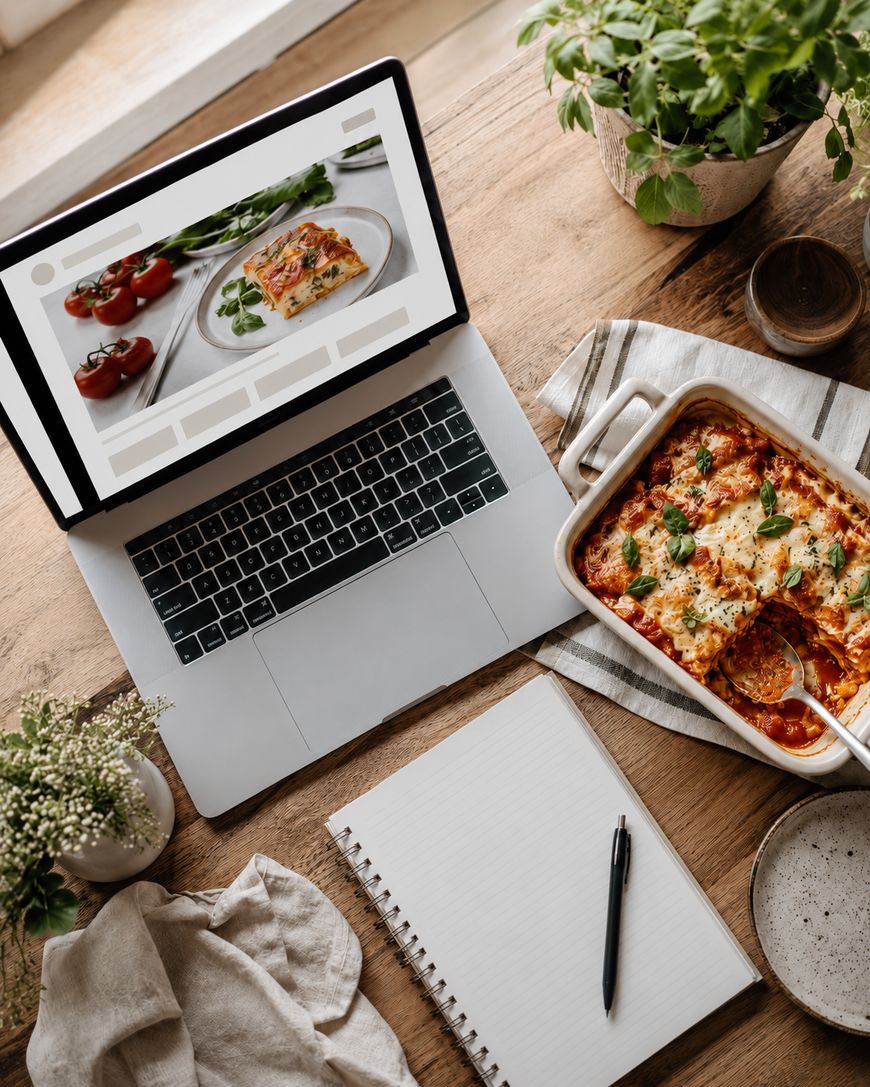
Consistent posting and clear photography are what separate blogs that grow from ones that stall out. Pick one recurring recipe series, like a weekly soup or a monthly baking challenge, so readers know what to expect from you.
12. Farmers Market Vendor
You can sell prepared foods, baked goods, or preserves directly to shoppers at a local market stall. Farmers markets are one of the lowest-cost ways to test a food business idea, since booth fees are often just a few dollars.
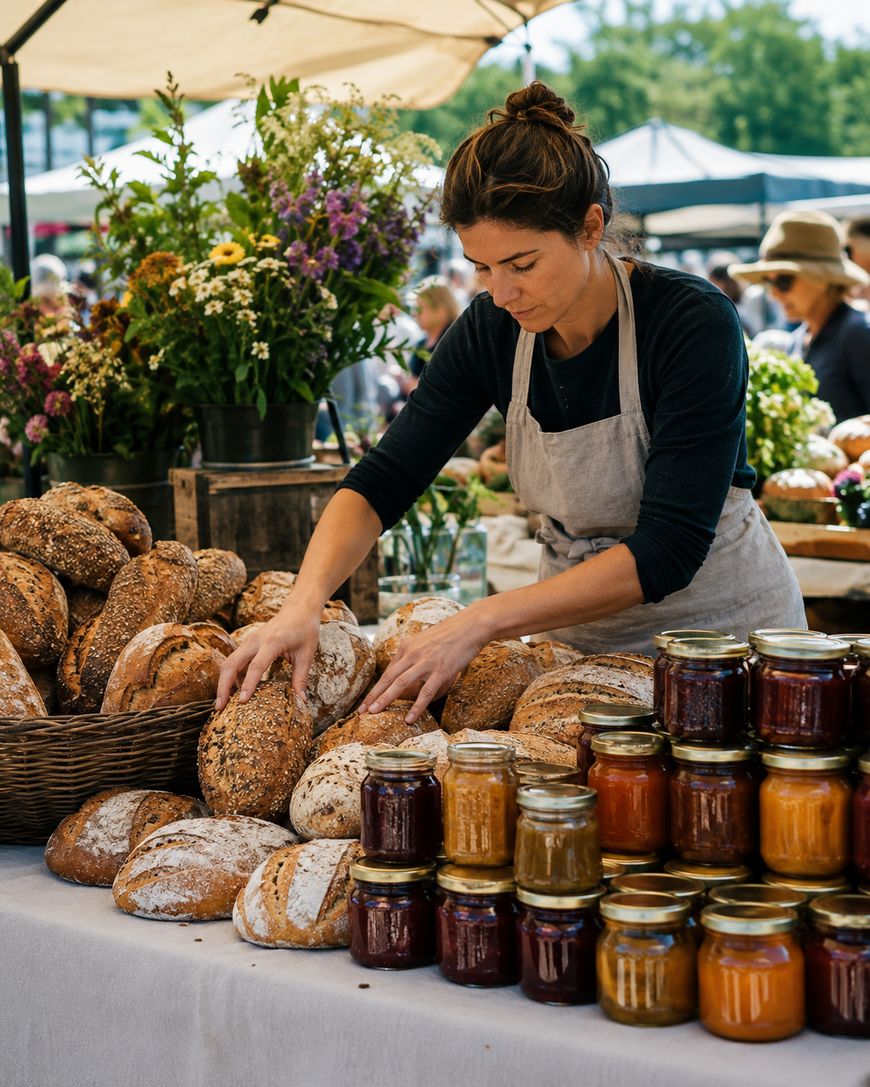
Talking to other vendors at your market can teach you more about local permitting than any online search will. Regular customers at a market often become your first loyal fans, which makes this a great place to build word of mouth.
13. Corporate Lunch Delivery
You can partner with nearby offices to deliver lunch on a set schedule, giving employees a reliable alternative to takeout. Corporate clients tend to order in volume, which makes each account more valuable than an individual customer.
A simple weekly menu with a couple of rotating options keeps your prep manageable while still offering variety. Offer a free trial week to your first office contact so they can experience your food before committing.
14. Ghost Kitchen Delivery Brand
You can run a delivery-only concept out of a shared commercial kitchen, skipping the cost of a dine-in space entirely. Ghost kitchens let you launch multiple menu concepts from the same physical location, which is useful if you want to test more than one idea at once.
Delivery apps make it possible to reach customers without any storefront at all, though their fees do cut into your margins. Many ghost kitchen owners start with a single delivery app before expanding to additional platforms.
15. Custom Cake and Dessert Business
You can specialize in custom cakes for birthdays, weddings, and other celebrations where clients want something one of a kind. Custom dessert work tends to command higher prices than everyday baked goods, since clients are paying for a personalized design.
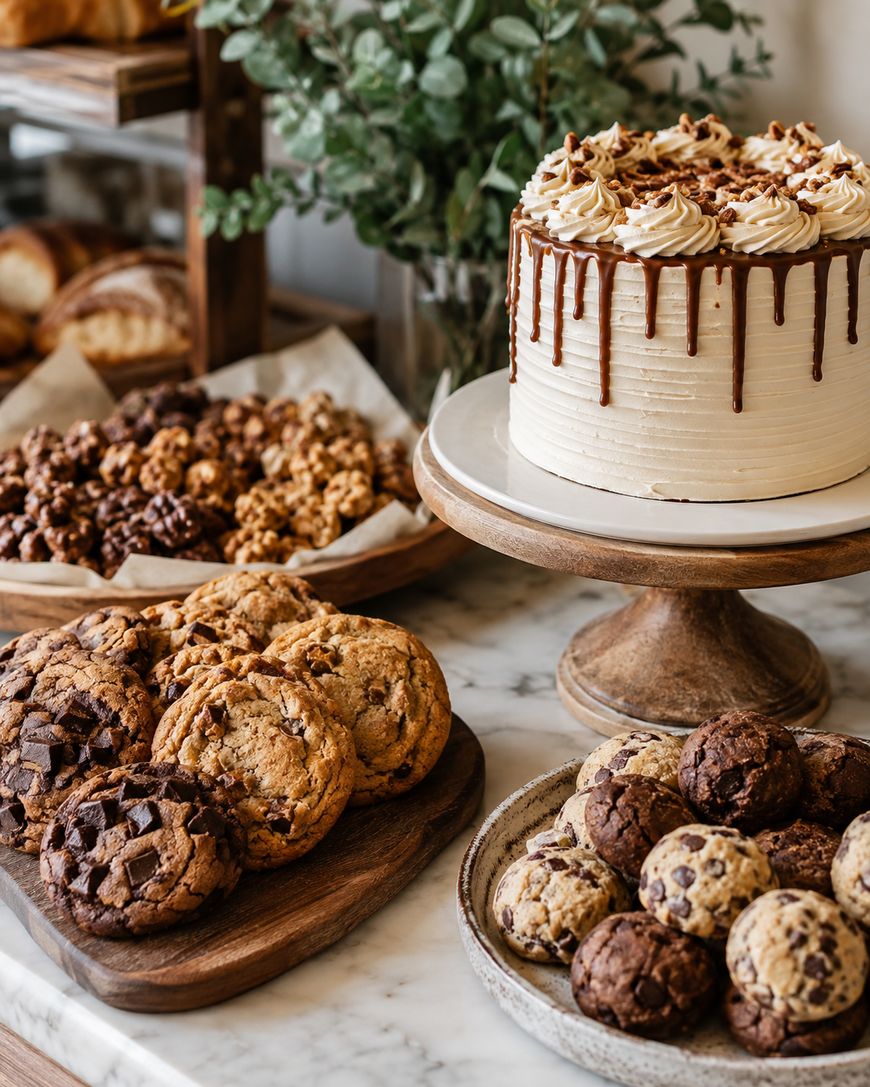
A strong portfolio matters more than almost anything else in this business, since most clients decide based on photos alone. Keep a running gallery of your best cakes so new inquiries can see your range at a glance.
Why Starting a Food Business From Home Makes Sense
Home-based food businesses let you test an idea with minimal financial risk before committing to a commercial lease or full-time staff. You get to learn what customers actually want, refine your recipes, and build a customer base while your overhead stays low.
Many of today’s well-known food brands started exactly this way, in a home kitchen with a single product and a handful of local customers. That slow, steady growth often builds a more resilient business than jumping straight into a large investment.
Frequently Asked Questions
Do I need a license to start a food business from home?
Most states require some form of permit or certification, often under cottage food laws, before you can legally sell homemade food. Requirements vary widely, so you’ll want to check with your state’s department of health early in the planning process.
Which food business idea has the lowest startup cost?
A farmers market stall or a food blog are usually the least expensive ways to start, since both can begin with equipment and ingredients you likely already have. You can test demand before investing in packaging, permits, or a vehicle.
How much money can a home-based food business make?
Income varies enormously based on the idea, your local market, and how much time you invest, so there’s no single answer. Many owners start part-time and reinvest early profits into scaling production or expanding their offerings.
Do I need culinary training to start a food business?
Formal training can help, but it isn’t required for most of these ideas, especially ones built around a recipe you already make well. What matters more is consistency, food safety knowledge, and a product people want to buy again.
Can I run a food business without a commercial kitchen?
Depending on your state’s cottage food laws, you may be able to sell certain low-risk foods made in your home kitchen. Businesses that need to scale, like meal prep or catering, often move into a shared commercial kitchen once volume increases.
What’s the best food business idea for someone with a full-time job?
Farmers market vending, a food blog, or a packaged snack line tend to be easiest to run alongside another job, since they don’t require daily deliveries or a fixed schedule. You can start small on weekends and grow at your own pace.
Ready to Start Your Food Business
These food business ideas all share one thing in common: they let you start small and grow based on real demand rather than guesswork. Pick the idea that matches your current schedule and budget, take the first small step this week, and let your customers tell you what to build next.



Leave a Reply