You don’t have to blow your budget to have an amazing trip. With a few smart strategies, you can figure out how to save money on vacation while still enjoying great food, comfortable stays, and memorable experiences.
This guide walks you through the exact moves that trim costs before you even leave home and while you’re on the ground exploring.
Book Flights at the Right Time
Flight prices shift constantly, and timing your purchase can save you hundreds of dollars. Set up price alerts on tools like Google Flights so you get notified the moment fares drop for your route.

Tuesday and Wednesday afternoons tend to have lower fares than weekend bookings. You’ll also find better deals if you book domestic flights one to three months out and international flights two to eight months ahead.
Flying with budget carriers or choosing a nearby airport can shave a surprising amount off your total. Being flexible with your departure and return dates by even a day or two often unlocks a noticeably cheaper fare.
Travel During Shoulder Season
Peak season pricing hits everything from flights to hotel rooms to rental cars. Shoulder season, the weeks just before or after the busiest travel months, gives you a sweet spot of good weather and lower prices.
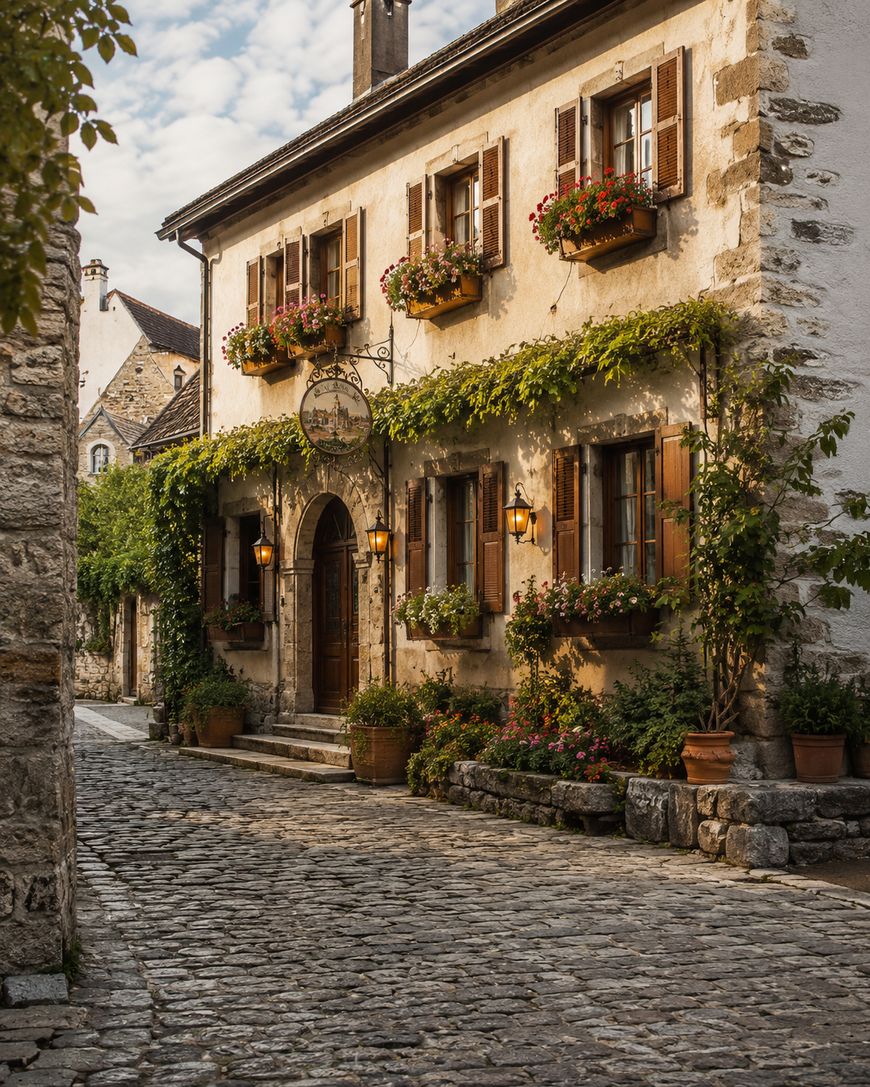
You’ll also deal with smaller crowds at popular attractions, which makes the whole trip feel more relaxed. Restaurants and tours are easier to book last minute since demand isn’t as high.
Research your destination’s specific shoulder season since it varies by region and climate. A little flexibility with your travel dates can lead to some of the biggest savings on your entire trip.
Choose Accommodations Strategically
Hotels aren’t your only option, and looking beyond them can make a real difference in your budget. Vacation rentals, guesthouses, and even hostels with private rooms often cost less and give you more space.

Book accommodations with a kitchen or kitchenette so you can prepare some of your own meals instead of eating out for every meal. This alone can cut a significant chunk from your daily spending.
Staying just outside the main tourist district usually means lower nightly rates. Public transit or a short rideshare into the center often costs far less than the premium you’d pay to stay in the heart of things.
Loyalty programs and cashback booking sites can also stack additional savings on top of an already good rate. Always compare prices across a few different booking platforms before you commit.
Set a Daily Spending Budget
Breaking your total trip budget into a daily number keeps you accountable without feeling like you’re constantly saying no to fun. Decide roughly how much you want to spend on food, activities, and extras each day before you leave.

Track your spending as you go using a simple notes app or budgeting app on your phone. This helps you notice early if you’re overspending in one category so you can adjust the next day.
Building in a small buffer for souvenirs or spontaneous experiences means you won’t feel deprived. A daily budget turns vague financial anxiety into a clear, manageable plan.
Eat Like a Local
Restaurants near major attractions almost always charge a premium for convenience. Walking just a few blocks away from the tourist zone typically gets you better food at a fraction of the price.

Visit local markets and grocery stores to pick up snacks, breakfast items, and picnic supplies. This is one of the easiest ways to cut your food costs without sacrificing the experience of tasting local flavors.
Lunch specials are often much cheaper than the same menu items at dinner, so make your bigger restaurant meal happen midday when you can. Street food and casual local spots also tend to be both more affordable and more authentic than sit-down tourist restaurants.
Look for Free and Discounted Activities
Many destinations offer free walking tours, museum days, or public parks and viewpoints that rival paid attractions. A quick search before your trip usually turns up a long list of no-cost ways to fill your days.

City tourism cards can bundle several paid attractions at a discount if you plan to visit multiple sites. Just make sure you’ll actually use enough of the included attractions to make the card worth it.
Many museums offer discounted or free admission on specific days or evenings each week. Building your itinerary around these free days can meaningfully lower your overall activity spending.
Use Cards With Travel Perks
The right credit card can quietly save you money throughout your trip. Cards with no foreign transaction fees prevent a hidden charge from adding up on every single purchase abroad.

Some travel cards also include perks like free checked bags, airport lounge access, or travel insurance that would otherwise cost extra. Points and miles earned on everyday spending can also offset the cost of a future flight or hotel stay.
Just make sure you pay off the balance in full so the perks don’t get erased by interest charges.
Why Budgeting for Vacation Matters More Than You Think
A clear travel budget doesn’t just protect your bank account, it also protects your peace of mind during the trip itself. When you know your spending limits ahead of time, you can relax and enjoy each moment instead of feeling a low hum of financial stress in the background.

Planning ahead also means you’re making thoughtful choices rather than reactive ones. You decide what matters most to you, whether that’s a nicer dinner one night or a splurge activity, and you build your budget around those priorities instead of spending randomly and hoping it works out.
Frequently Asked Questions
What is the cheapest time of year to travel?
Shoulder season, the period just before or after a destination’s peak travel months, usually offers the lowest prices on flights and accommodations. You’ll also enjoy smaller crowds and more availability for tours and restaurants.
How much should I budget per day for a vacation?
Your daily budget depends heavily on your destination and travel style, but breaking your total trip budget into a daily number helps you stay on track. Research average costs for your specific destination and build in a small buffer for extras.
Is it cheaper to book a package deal or separate flights and hotels?
It depends on the destination and time of year, so it’s worth comparing both. Package deals can offer bundled savings, but booking separately sometimes lets you take advantage of specific flight or hotel deals you wouldn’t get otherwise.
How can I save money on food while traveling?
Visiting local markets and grocery stores for snacks and some meals, eating your big meal at lunch instead of dinner, and walking a few blocks away from tourist areas can all lower your food costs significantly. Staying somewhere with a kitchen also helps.
Do travel credit cards actually save money?
Yes, especially cards with no foreign transaction fees, since that hidden charge can add up quickly on every purchase abroad. Many travel cards also offer perks like free checked bags or points that offset future travel costs.
What’s one small habit that saves the most money on vacation?
Setting a daily spending budget and tracking it as you go tends to have the biggest overall impact. It keeps small purchases from quietly adding up into a much bigger total by the end of the trip.
Ready to Plan Your Budget-Friendly Trip
Saving money on vacation comes down to a handful of intentional choices made before and during your trip. Start applying even a few of these tips to your next getaway and watch how much further your travel budget stretches.


Leave a Reply