You don’t need a finance degree to get your money working for you. These financial life hacks are simple, practical shifts you can start using today to save more, stress less, and build real momentum toward your goals.
Automate Your Savings Before You Can Spend It
The easiest financial life hacks are the ones that require zero willpower. Setting up an automatic transfer from checking to savings the day you get paid means the money is gone before it ever tempts you.

Most banks let you schedule recurring transfers in a few clicks, and many will even round up your everyday purchases and drop the spare change into a separate savings account. Treat your savings transfer like a bill you have to pay, not an afterthought.
Over a year, even a modest $50 automatic transfer per paycheck adds up to a meaningful cushion without you ever noticing the money left your account.

Use the 24-Hour Rule for Non-Essential Purchases
Impulse buying is one of the biggest silent budget killers, and it’s also one of the easiest habits to fix. Before buying anything that isn’t a planned necessity, wait 24 hours.

Add the item to a cart or a notes app instead of checking out immediately. In many cases, the urge to buy fades once the initial excitement wears off, and you get to decide with a clear head whether the purchase is really worth it.
This financial life hack works especially well for online shopping, where one-click checkout is designed to bypass your better judgment entirely.
Negotiate Your Recurring Bills Once a Year
Subscriptions, insurance premiums, and even your internet bill are rarely fixed in stone. Companies expect a certain number of customers to call and ask for a better rate, and they often have retention offers ready to go.

Set a yearly reminder to call your internet, phone, and insurance providers and simply ask if there’s a better rate available. A single fifteen-minute phone call can save you hundreds of dollars a year.
If you’d rather skip the phone call, several apps exist specifically to negotiate bills on your behalf for a small percentage of what they save you.

Use Cashback and Rewards Strategically
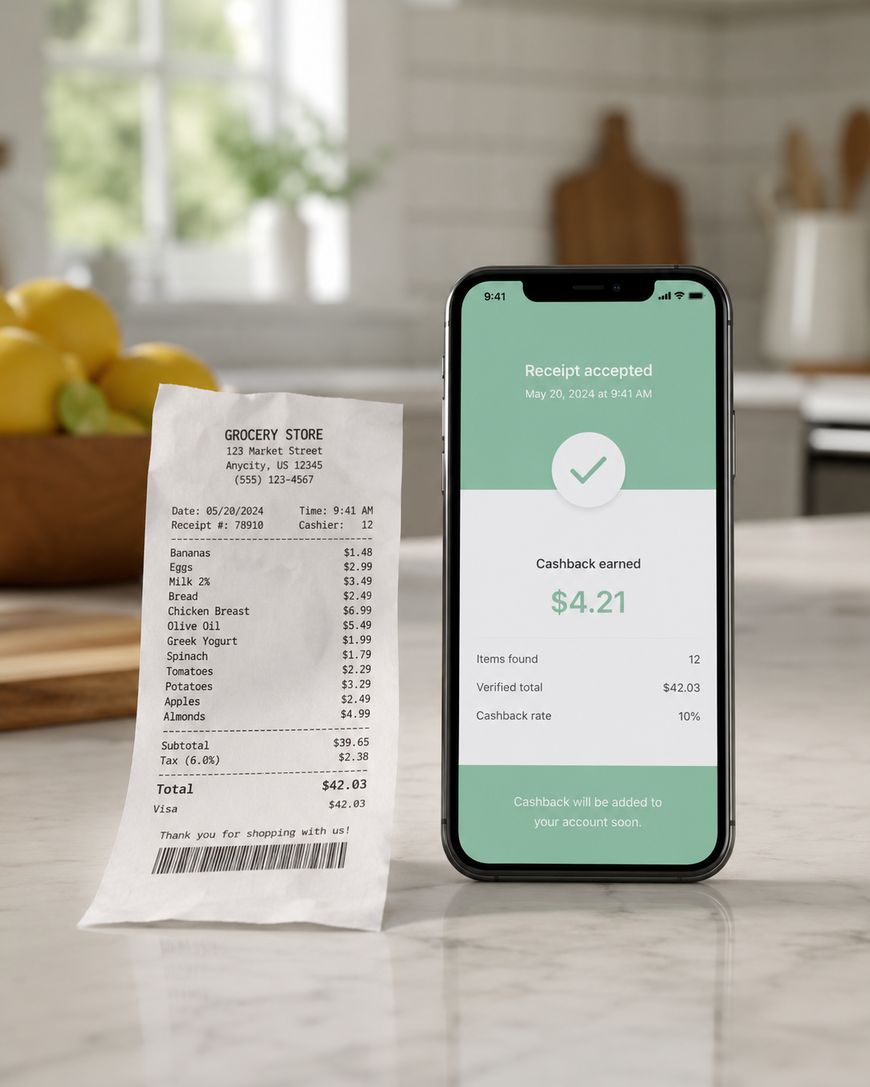
Credit card rewards and cashback apps only help your finances if you’re using them intentionally rather than as an excuse to spend more. Pick one or two cashback categories that match your actual spending, like groceries or gas, and route those purchases through the card or app that rewards them best.

Stacking a cashback browser extension on top of a rewards credit card for online purchases is one of the simplest financial life hacks because it requires almost no extra effort once it’s set up.
The key rule here is to always pay your balance in full. Interest charges will erase any rewards you earn many times over.
Try a No-Spend Challenge Once a Quarter
A no-spend week or month resets your relationship with spending and reveals exactly how much of your budget goes toward things you don’t actually need. Pick a defined window, decide what counts as essential, and track everything you skip.

Many people are surprised at how much they save just by pausing takeout orders, subscription trials, and small impulse buys for a short stretch.
Running this challenge quarterly keeps your spending habits in check without requiring permanent, restrictive rules.
Build a Sinking Fund for Irregular Expenses
Car repairs, holiday gifts, and annual subscriptions feel like emergencies when they’re really just predictable expenses that arrive on an irregular schedule. A sinking fund fixes this by setting aside a small amount each month specifically for these known future costs.
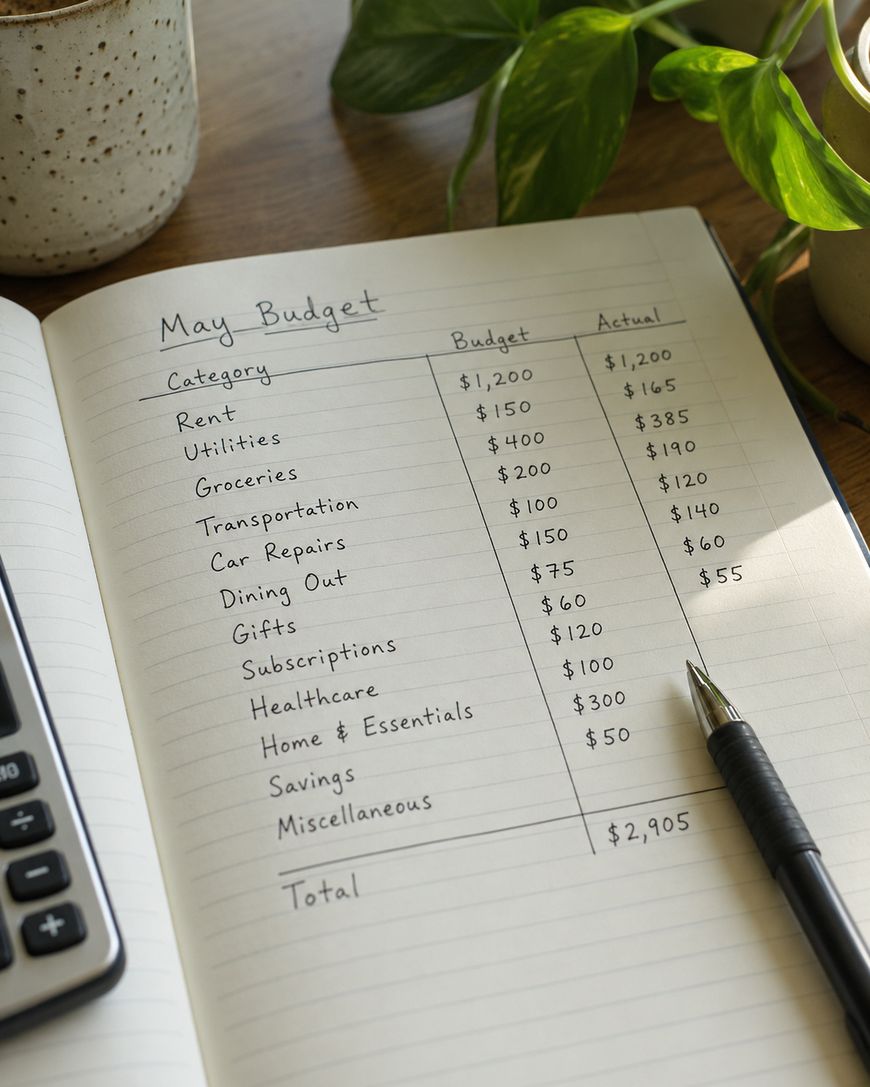
Open a separate savings account, list out your irregular expenses for the year, divide the total by twelve, and transfer that amount monthly. When the expense hits, the money is already there waiting for it.
This single habit removes a huge amount of financial stress because nothing catches you off guard anymore.

Why Small Financial Habits Matter More Than Big Gestures
It’s tempting to think that real financial progress requires a dramatic overhaul, but the opposite is usually true. Small, repeatable habits compound over time in a way that one-time efforts never do.

A single automated transfer or one renegotiated bill won’t transform your finances overnight, but stacked together and repeated month after month, these financial life hacks create real, lasting change. Consistency beats intensity almost every time when it comes to money.
Frequently Asked Questions
What’s the easiest financial life hack to start with?
Automating your savings is usually the easiest place to start since it requires one setup step and then runs in the background. You won’t have to think about it again once it’s scheduled.
How much should I keep in a sinking fund?
It depends on your irregular expenses, but a good starting point is to list every non-monthly cost you expect over the next year and divide that total across twelve months.
Are cashback apps actually worth using?
Yes, as long as you’re not changing your spending habits just to chase rewards. Used on purchases you’d make anyway, they’re essentially free money.
How often should I negotiate my bills?
Once a year is a reasonable rhythm for most recurring bills like internet, phone, and insurance. Rates and promotions change often enough that it’s worth revisiting annually.
Do no-spend challenges actually work?
They work well as a reset rather than a permanent lifestyle. Running one quarterly helps you notice spending patterns without burning yourself out on restriction.
Is it better to pay off debt or build savings first?
Most financial experts suggest building a small starter emergency fund first, then focusing extra money on high-interest debt, and finally growing your savings further once that debt is gone.
Start Small and Stay Consistent
You don’t have to implement every one of these financial life hacks at once. Pick one or two that feel manageable, put them into practice this week, and let the results build your confidence to add more over time.

This article is for general information and is not financial advice. Any figures mentioned are illustrative rather than typical, and results depend entirely on your own circumstances. For decisions about investing, debt, tax or retirement, speak to a qualified professional who knows your situation.



Leave a Reply