If you have ever felt lost reading a bank statement or unsure what “APR” actually means, you are not alone. Financial literacy is simply the ability to understand and confidently use money skills like budgeting, saving, credit, and investing, and you can build it starting today with a few clear habits.
What Financial Literacy Actually Means
Financial literacy is not about memorizing formulas or becoming an accountant overnight. It is the practical knowledge that helps you make informed choices about your paycheck, your debt, and your future.

You can think of it as a toolkit rather than a test. Once you understand the basic pieces, like how interest works or why an emergency fund matters, you start making decisions from a place of confidence instead of guesswork.
Most people never receive formal money education in school, which is exactly why so many adults feel behind. Financial literacy is a learnable skill, not a personality trait, and starting now puts you ahead of where you were yesterday.
Start With a Budget That Actually Fits Your Life
A budget is simply a plan for where your money goes before it disappears into random spending. Without one, it is nearly impossible to build savings or pay down debt with any consistency.

The classic 50/30/20 approach allocates 50% of your income to needs, 30% to wants, and 20% to savings and debt repayment. It is a helpful starting point, but you can adjust the percentages to match your actual bills and goals.
Whatever method you choose, track your spending for at least one full month before adjusting anything. You cannot fix what you have not measured, and most people are surprised by where their money actually goes once they look closely.
Apps can automate this tracking, but a simple spreadsheet or notebook works just as well. The goal is awareness, not a fancy tool.
Build an Emergency Fund Before Anything Else
An emergency fund is money set aside specifically for unexpected expenses like car repairs, medical bills, or a sudden job loss. Without one, any surprise expense turns into new debt.

Most financial educators recommend saving three to six months of essential expenses. If that number feels overwhelming, start smaller.
Aim for a starter goal of $500 to $1,000 first, since that alone covers most common emergencies and buys you breathing room while you build toward the larger cushion.
Keep this money in a separate savings account so you are not tempted to dip into it for everyday spending. Out of sight genuinely does mean out of mind here.
Understand Credit Before It Controls You
Your credit score affects far more than whether you get approved for a credit card. It influences your interest rates on loans, your ability to rent an apartment, and sometimes even job applications.
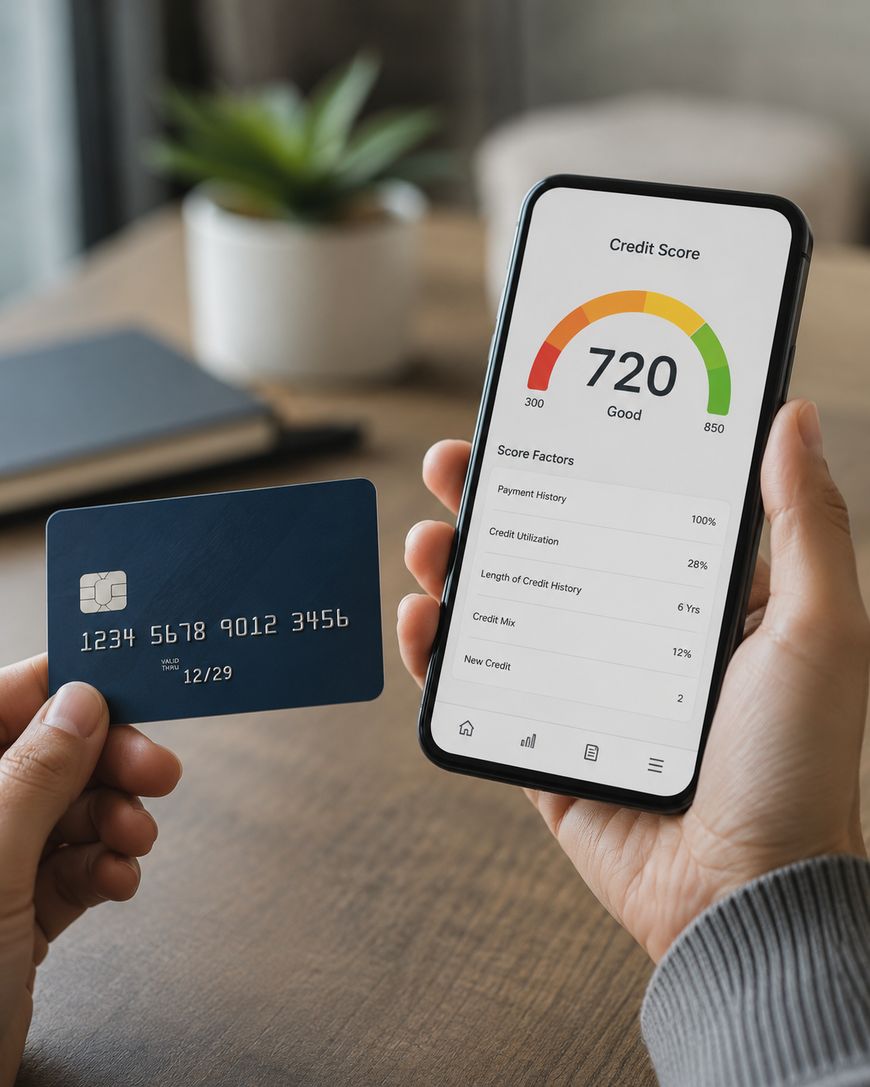
Credit scores are calculated from a few key factors: payment history, amounts owed, length of credit history, new credit inquiries, and credit mix. Payment history carries the most weight, so paying bills on time is the single biggest lever you control.
Keep your credit utilization low to protect your score, and lower is generally better if you can manage it. The widely quoted 30% figure is a useful rule of thumb rather than a published threshold — no scoring model sets a cliff there. A card with a $1,000 limit means keeping your balance under $300 at any given time.
Checking your own credit report does not hurt your score, and you are entitled to a free report from each major bureau every year. Reviewing it regularly helps you catch errors or fraud early.
Get Comfortable With the Basics of Debt
Not all debt behaves the same way, and understanding the difference changes how you prioritize paying it off. A mortgage or student loan with a low interest rate is a very different animal than high-interest credit card debt.
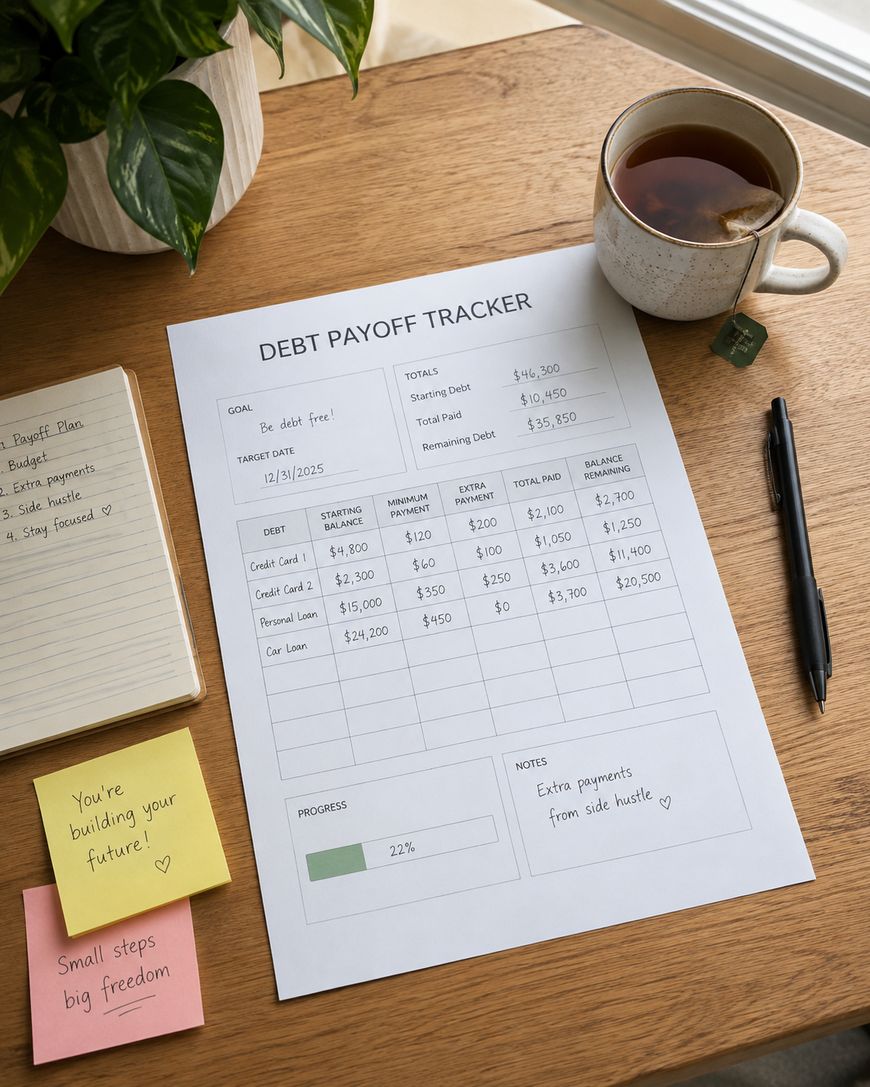
Two popular payoff strategies are the debt snowball and the debt avalanche. The snowball method has you pay off your smallest balances first for quick motivational wins, while the avalanche method targets your highest interest rate debt first to save the most money over time.
Neither approach is objectively wrong. Choose whichever one you will actually stick with, since consistency matters more than mathematical perfection.
Start Investing, Even With Small Amounts
Investing can feel intimidating, but it does not require large sums or expert knowledge to begin. Even small, consistent contributions grow significantly over time thanks to compound interest.

If your employer offers a retirement plan with matching contributions, contributing enough to get the full match is essentially free money. Skipping it means leaving part of your compensation on the table.
Time in the market matters more than timing the market, so starting early with modest amounts often outperforms waiting until you have a large sum saved up. A low-cost index fund is a common starting point for beginners who want broad, diversified exposure without picking individual stocks.
Why Financial Literacy Matters More Than Ever
Financial products have grown more complex, from buy-now-pay-later apps to subscription services quietly draining your account each month. Without a baseline understanding of how money works, it becomes easier to fall into cycles of debt or missed savings goals.

Building financial literacy also reduces stress. Studies consistently link financial anxiety to sleep problems, relationship strain, and lower overall wellbeing, so the benefits reach far beyond your bank balance.
The skills you build now compound just like your savings do. A small habit today, like automating a $25 transfer to savings, becomes a meaningful cushion a year from now.
Frequently Asked Questions
How long does it take to become financially literate?
There is no fixed timeline, since financial literacy builds gradually through consistent practice rather than a single course. Most people notice real confidence within three to six months of actively budgeting and tracking their spending.

What is the best app for learning financial literacy?
Budgeting apps like YNAB or a simple spreadsheet both work well, and the best choice is whichever one you will actually open regularly. The tool matters far less than the consistency of using it.
Do I need a financial advisor to get started?
Not necessarily. Many foundational skills like budgeting, building an emergency fund, and paying down high-interest debt can be handled on your own before an advisor becomes useful for more complex planning.
How much should I save each month?
A common guideline is 20% of your income toward savings and debt repayment, but any consistent amount is better than none. Start with what fits your budget and increase it as your income or expenses shift.
What is the biggest mistake people make with financial literacy?
Waiting until they feel “ready” or fully informed before starting. Small, imperfect action, like opening a savings account today, builds more progress than months of research without doing anything.
Can financial literacy really change my life?
Yes, in very concrete ways. People who understand budgeting, credit, and investing consistently report less financial stress, more savings, and greater confidence making major life decisions like buying a home or changing careers.
Take the First Step Today
Financial literacy is not a destination you reach once and forget. It is an ongoing practice that gets easier and more rewarding the longer you stick with it.

Pick one step from this guide, whether it is tracking your spending for a week or opening a dedicated savings account, and start there. Your future self will thank you for building this kind of financial literacy today.
10 Personal Finance Podcasts to Listen to
This article is for general information and is not financial advice. Any figures mentioned are illustrative rather than typical, and results depend entirely on your own circumstances. For decisions about investing, debt, tax or retirement, speak to a qualified professional who knows your situation.




Leave a Reply