You don’t need a workshop or a business degree to turn your hands into a paycheck. These 15 money making crafts are simple to learn, cheap to start, and popular enough that buyers are already searching for them online and at local markets.
1. Handmade Candles
Soy wax candles are one of the easiest money making crafts to launch because the startup kit costs less than $50. You can pour a batch of six candles in an afternoon and sell them for $15-25 each depending on the container and scent blend.
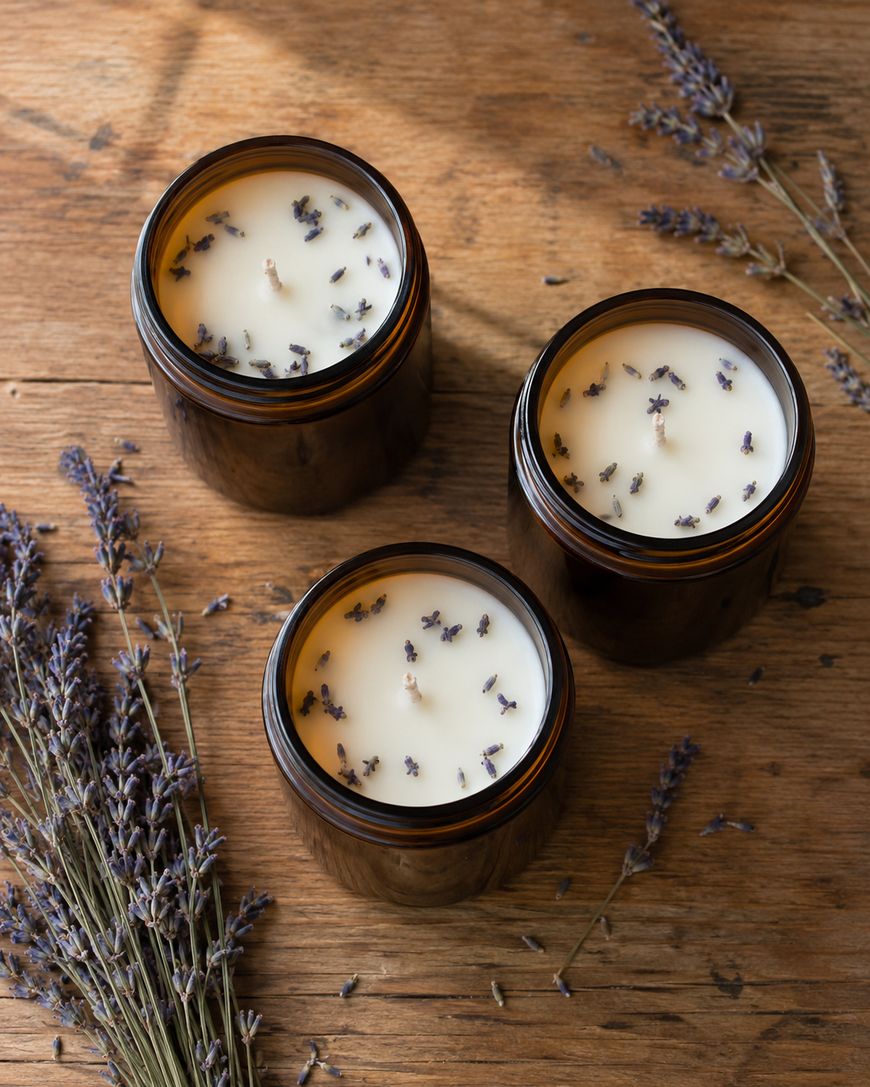
Focus on seasonal scents first, since holiday candles sell fastest. Try pairing two complementary scents, like cedar and vanilla, to create a signature blend buyers can’t find elsewhere. Label your jars clearly with burn time and ingredients, since many shoppers are avoiding synthetic fragrances now.
2. Beaded Jewelry
Beaded earrings and bracelets have exploded on Etsy and TikTok Shop because they’re lightweight to ship and quick to produce. A single strand of beads can yield a dozen pairs of earrings, keeping your material cost per item under two dollars.

Start with polymer clay beads or glass seed beads, both of which photograph well for social media. Pricing typically runs $12-20 per pair once you factor in your time and packaging.
3. Macrame Wall Hangings
Macrame has stayed popular for home decor because it fits both boho and minimalist aesthetics. A medium wall hanging takes two to four hours to knot and sells for $40-80 depending on size and cord quality.
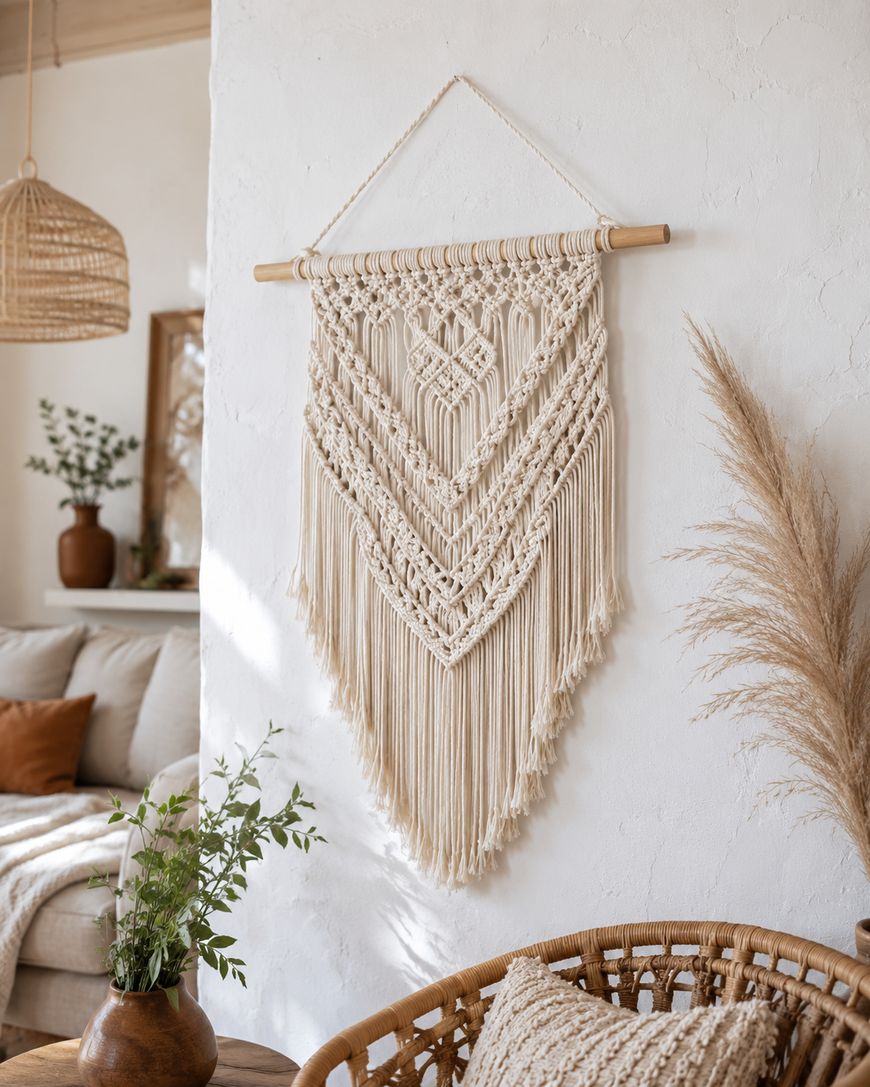
Buy cotton cord in bulk to lower your per-piece cost. Craft fairs are a strong outlet for macrame since buyers like to see the texture and scale in person before purchasing.
4. Custom Tumblers
Personalized tumblers are a steady seller because people buy them as gifts year-round, not just during holidays. Using a vinyl cutter and heat press, you can produce a finished 20-ounce tumbler in under 15 minutes.
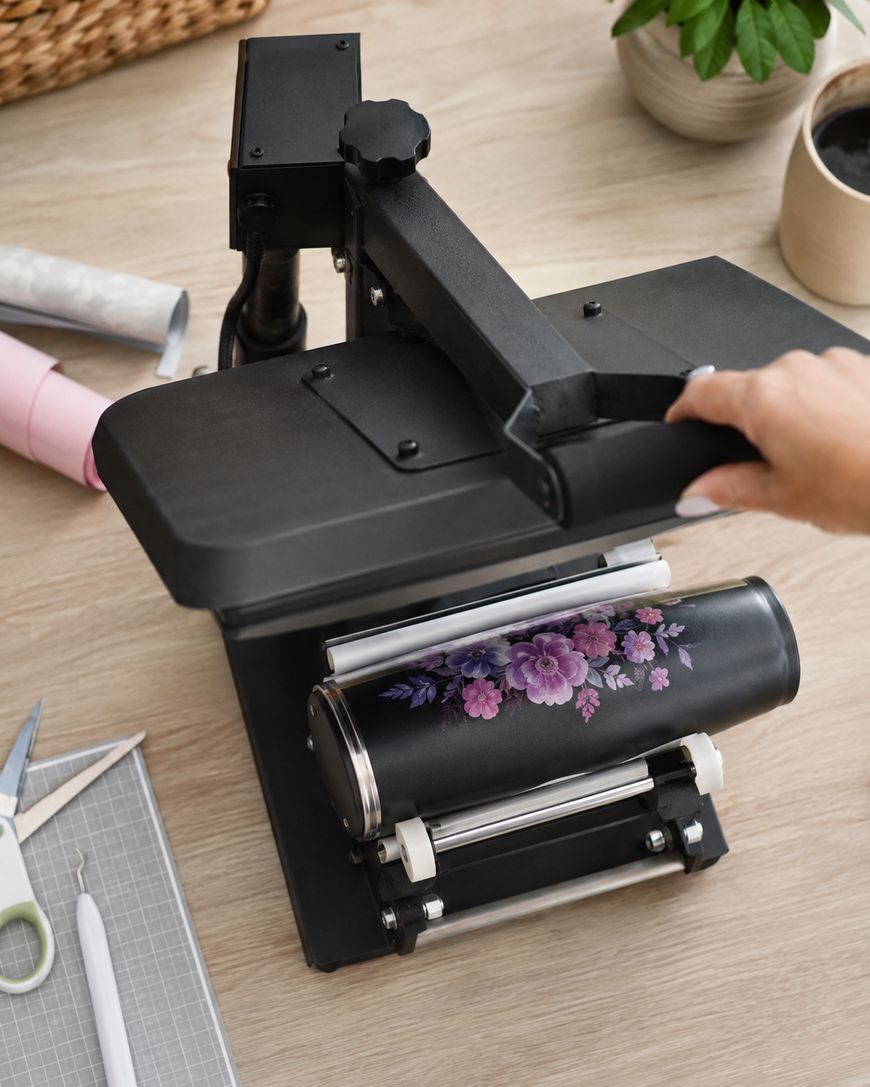
Offer name and monogram customization, since personalized items typically sell for 30-40% more than blank ones. Stick to a few trending color combinations to keep your inventory manageable.
5. Resin Coasters
Epoxy resin coasters let you experiment with color and pattern, which makes every set slightly different and appealing to buyers who want something one of a kind. A set of four coasters costs around $8 in materials and sells for $25-35. Work in a ventilated space and wear nitrile gloves while the resin is wet — uncured epoxy is a skin and respiratory sensitizer, and once you have reacted to it you tend to keep reacting.

Cure time is your main bottleneck, so plan batches a few days ahead of any market or shipping deadline. Silicone molds are reusable, which keeps your long-term costs low.
6. Crocheted Amigurumi
Amigurumi, the small crocheted stuffed animals and characters, has a loyal buyer base willing to pay for well-made pieces. A single amigurumi doll takes several hours to complete but can sell for $20-45 depending on complexity. If you are selling to children, safety-eye and small-part rules apply — embroidered eyes are the safer choice for anything aimed at under-threes, and toys sold for children have testing requirements under the CPSIA.
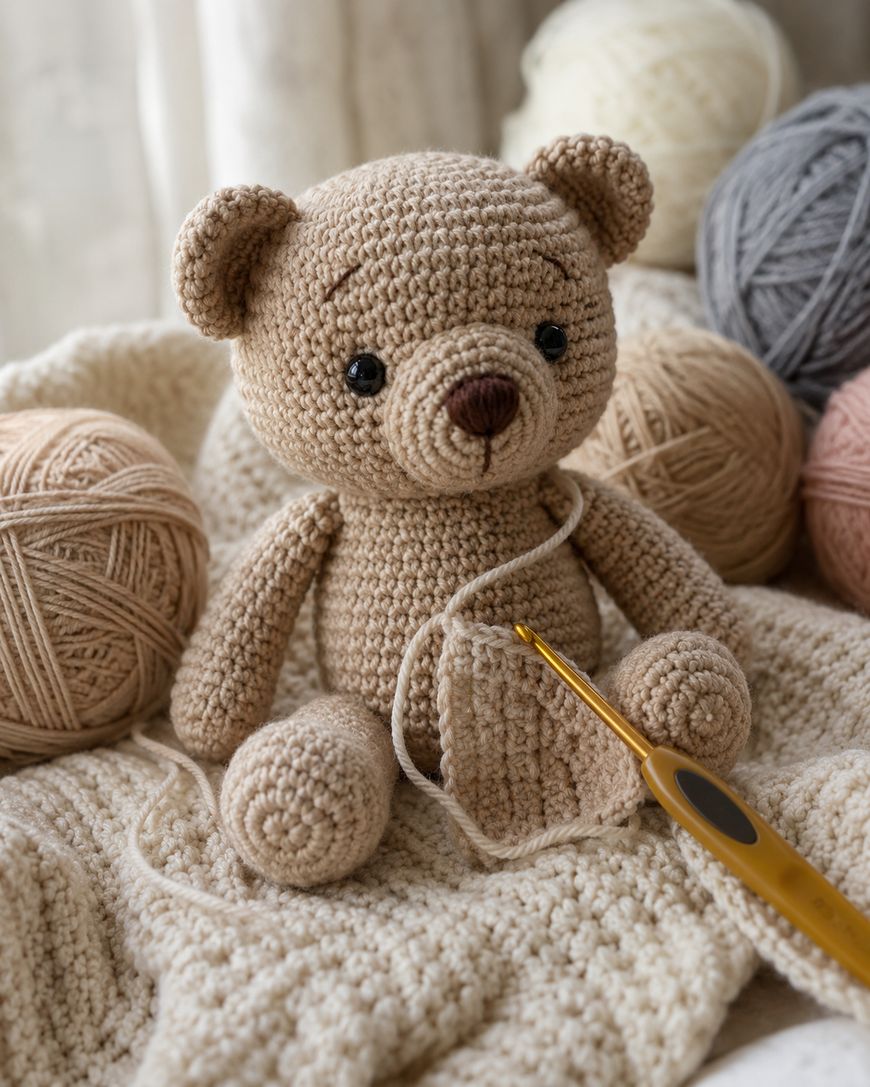
Character-inspired designs sell especially well, though you’ll want to keep designs generic enough to avoid copyright issues. Yarn scraps from other projects can often be repurposed here, cutting your material costs further.
7. Hand-Poured Soap
Cold process soap has a devoted following among people looking for a simpler, more natural ingredient list than most store-bought bars. It is worth knowing that soap is a cosmetic once you make any skincare claim about it, which brings labeling and safety-substantiation rules with it, so keep your claims to the ingredients themselves. A batch of soap can yield 20-30 bars, and each sells for $6-10.

Curing time runs four to six weeks, so this craft rewards planning ahead rather than making things to order. Oatmeal, charcoal, and goat milk varieties tend to be the most requested at markets.
8. Painted Plant Pots
Hand-painted terracotta pots appeal to the huge audience of houseplant owners looking to personalize their collections. A plain pot costs a few dollars, and a hand-painted version can sell for $18-30.
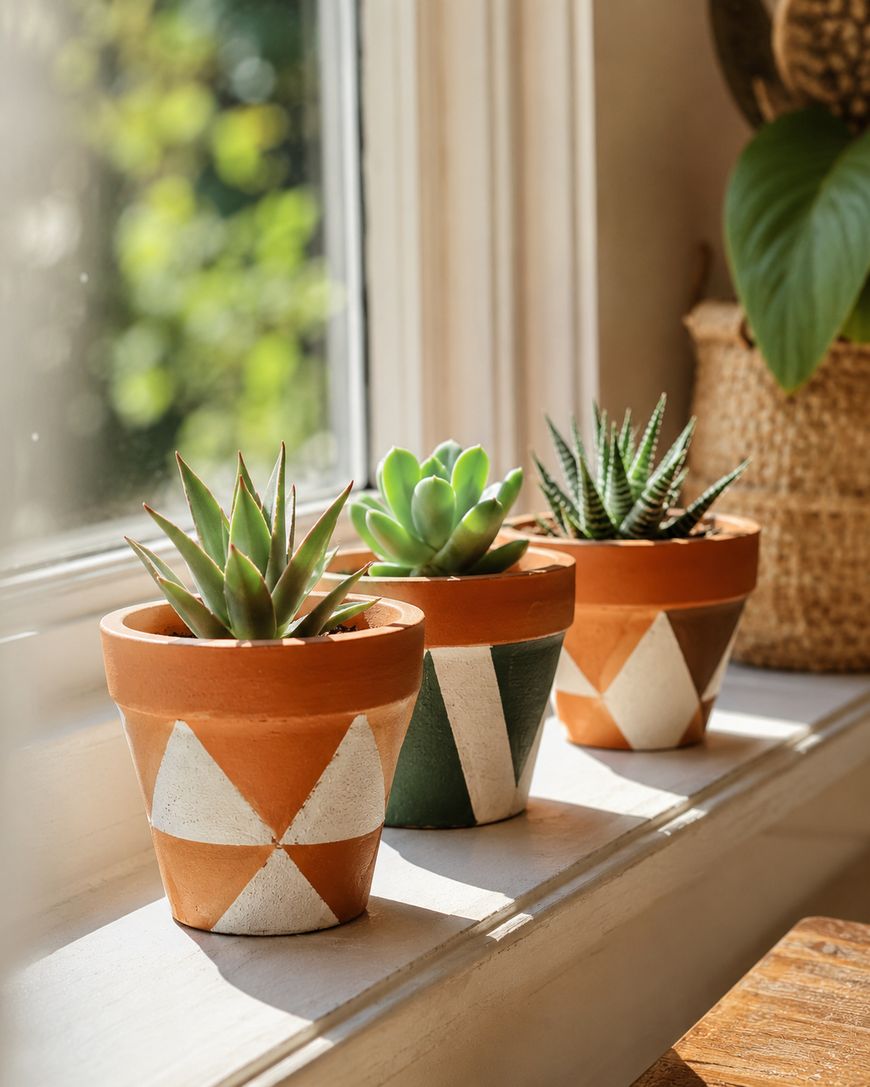
Simple geometric patterns or plant-specific designs, like a pot painted for a specific succulent, tend to move fastest. Sealing the paint with a clear coat keeps the design from chipping during shipping.
9. Embroidered Patches and Hoops
Embroidery has found new popularity through small hoop art and iron-on patches, both of which are inexpensive to produce and easy to ship flat. A finished hoop typically sells for $15-30 depending on size and detail.
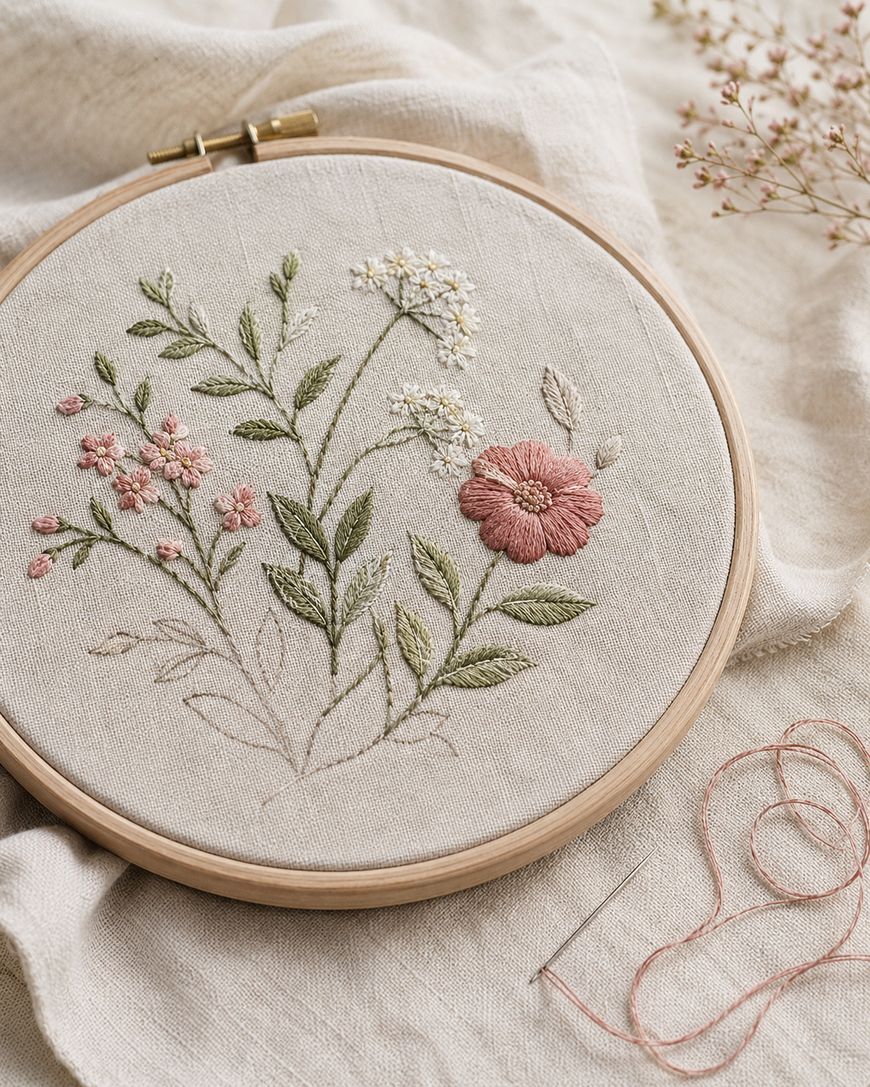
Botanical designs and simple phrases are consistently strong sellers. Patches can be produced faster once you have a design traced, letting you build inventory efficiently.
10. Wooden Cutting Boards
If you have access to a workshop, wooden cutting boards and charcuterie boards are a high-margin craft since the wood itself is often the only real cost. A finished board can sell for $35-70 depending on size and wood type.
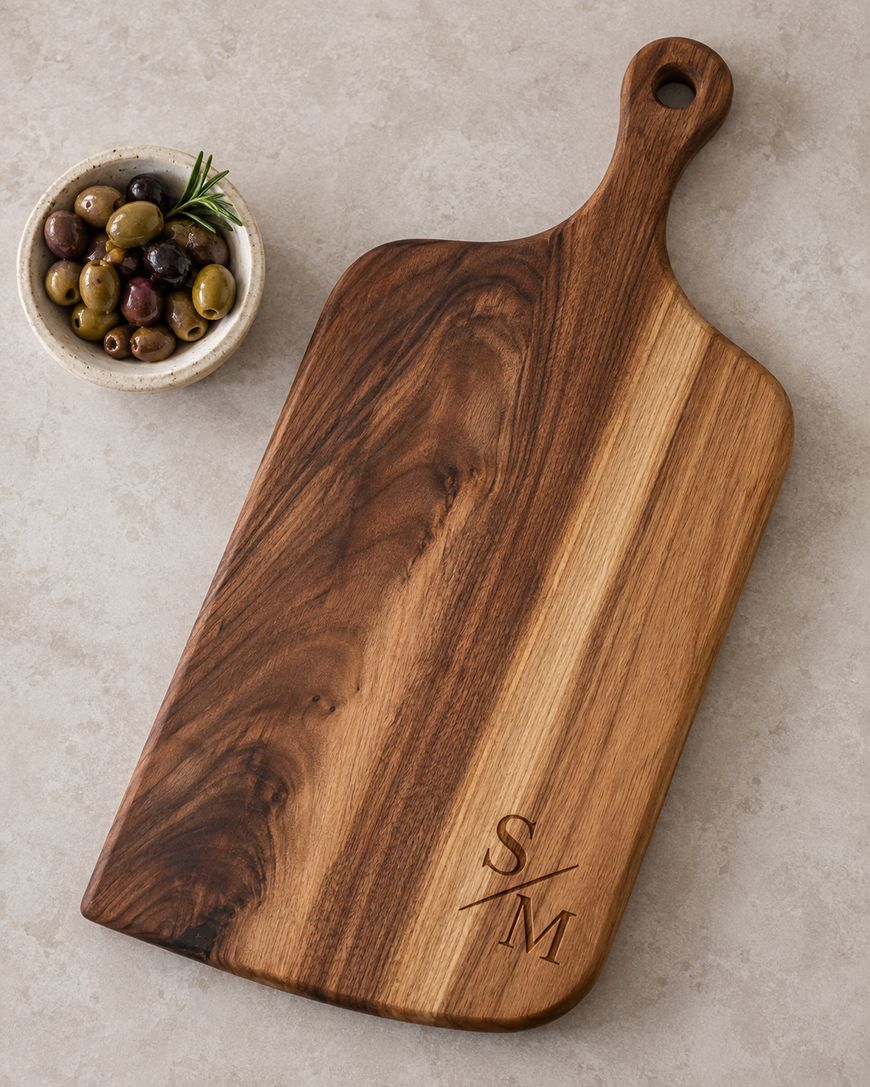
Personalized engraving adds significant value for wedding and housewarming gift buyers. Food-safe mineral oil finishes are essential and worth mentioning in your product description.
11. Fabric Scrunchies and Hair Accessories
Scrunchies remain a reliable seller because they’re cheap to make in bulk from fabric scraps. A yard of fabric can produce a dozen scrunchies, each selling for $6-10.
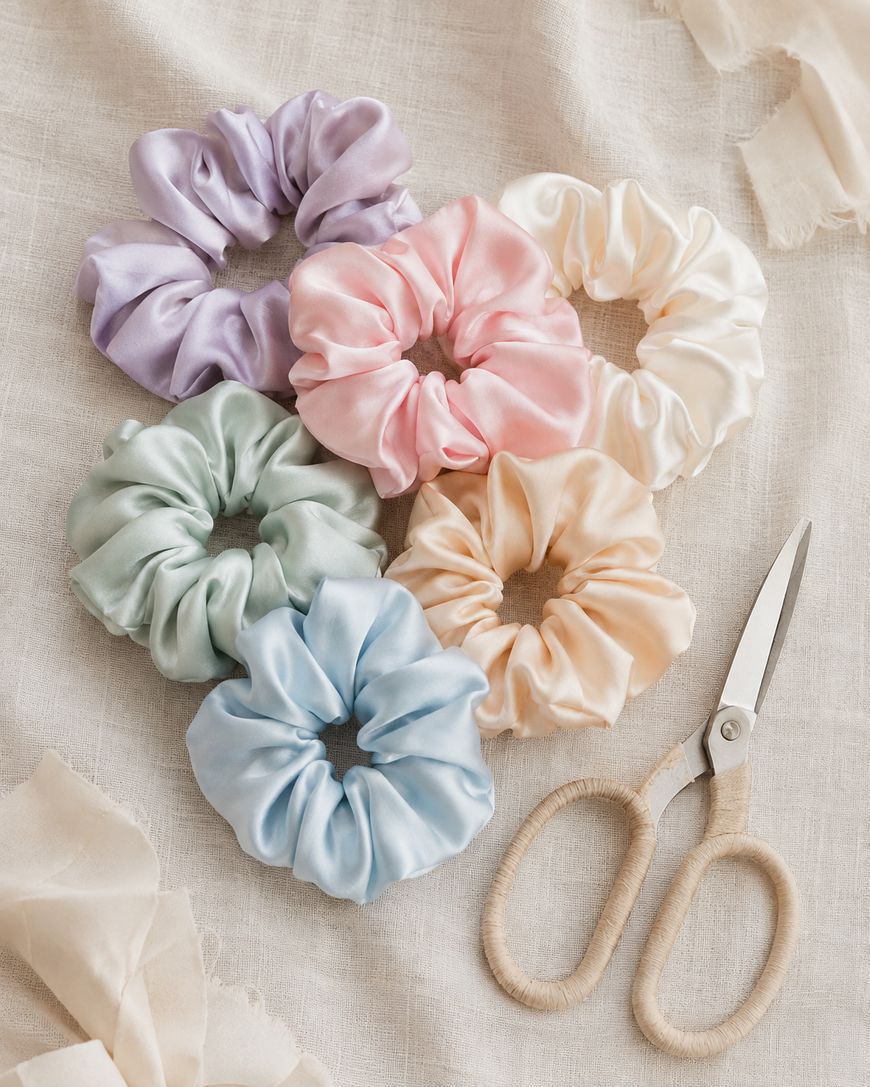
Batch-cutting your fabric pieces before sewing cuts your production time nearly in half. Silk and satin versions can be marketed at a premium price for their gentler feel on hair.
12. Custom Pet Portraits
Pet portraits, whether painted, drawn, or digitally illustrated, tap into an emotional purchase that buyers are happy to pay well for. Prices typically range from $30 for a simple digital sketch to $100+ for a detailed painted portrait.

This craft requires artistic skill but very little material investment if you work digitally. Offering print and digital file options gives buyers flexibility and gives you a way to sell the same artwork twice.
13. Beeswax Wraps
Beeswax food wraps appeal to eco-conscious shoppers looking to cut down on single-use plastic. A set of three wraps costs a few dollars in materials and sells for $18-25.
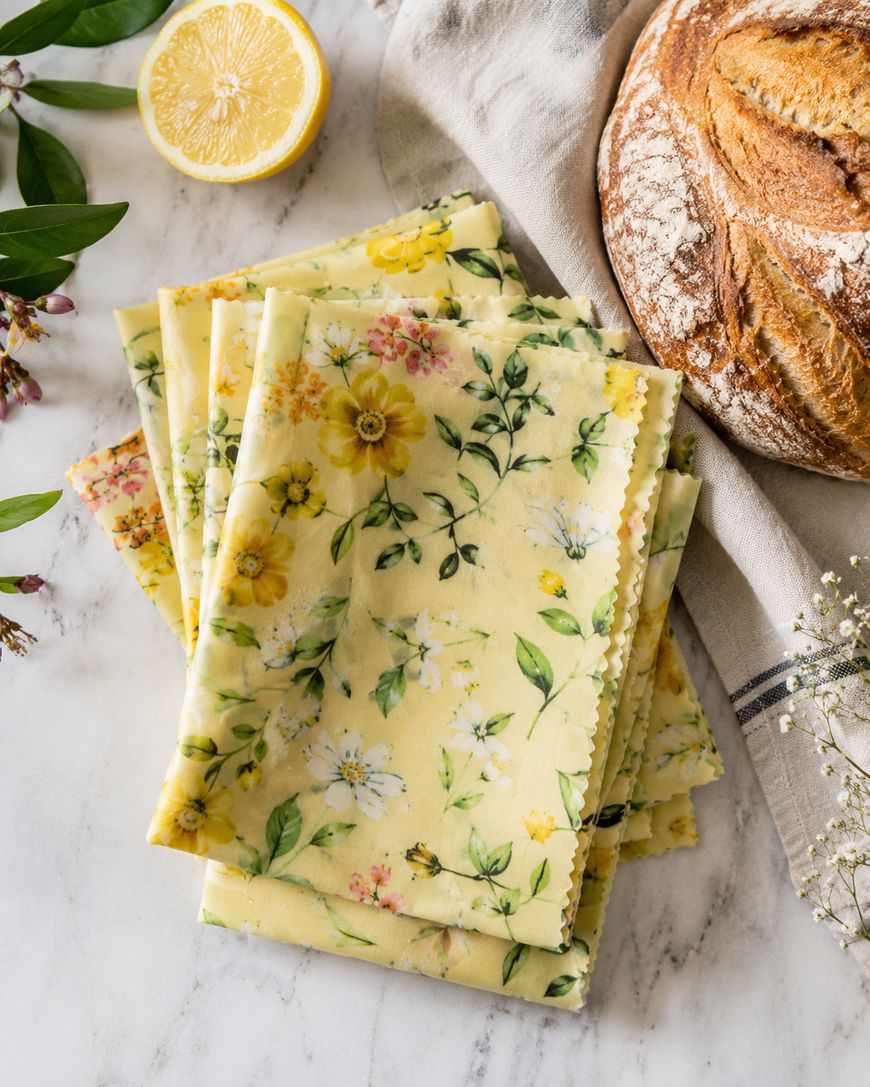
Fabric with playful or seasonal prints tends to outsell plain patterns. Wraps are lightweight and inexpensive to ship, making them a good fit for online sales.
14. Leather Goods
Small leather goods like keychains, cardholders, and coin pouches require modest tools and leather scraps, both of which are widely available. A simple leather keychain can sell for $10-15, while a cardholder can bring $25-40.

Hand-stitched details signal quality and let you charge more than machine-made alternatives. Leather ages well in photos, which helps these items stand out in an online shop.
15. Seasonal Wreaths
Wreaths sell heavily around fall and winter holidays but can be adapted for spring and summer with the right materials. A grapevine or foam base costs a few dollars, and a finished wreath sells for $30-60.
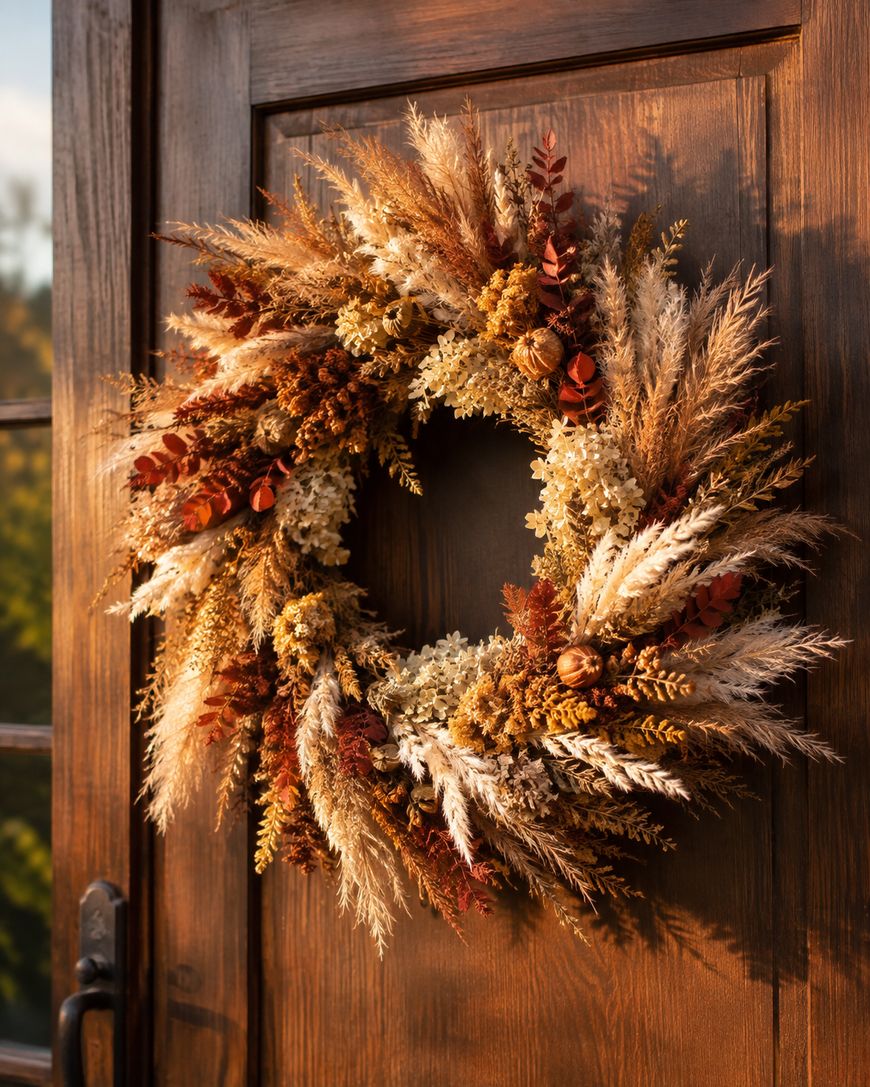
Building a few wreaths in advance of each season lets you list them before demand peaks rather than scrambling to keep up with orders. Silk florals and dried materials both hold up well for reuse in future designs.
Why Crafting Can Actually Pay Off
Money making crafts work because they combine low startup costs with products people already want to buy, whether as gifts or personal treats. Unlike many side hustles, you can start most of these with materials you already own or a single trip to the craft store.
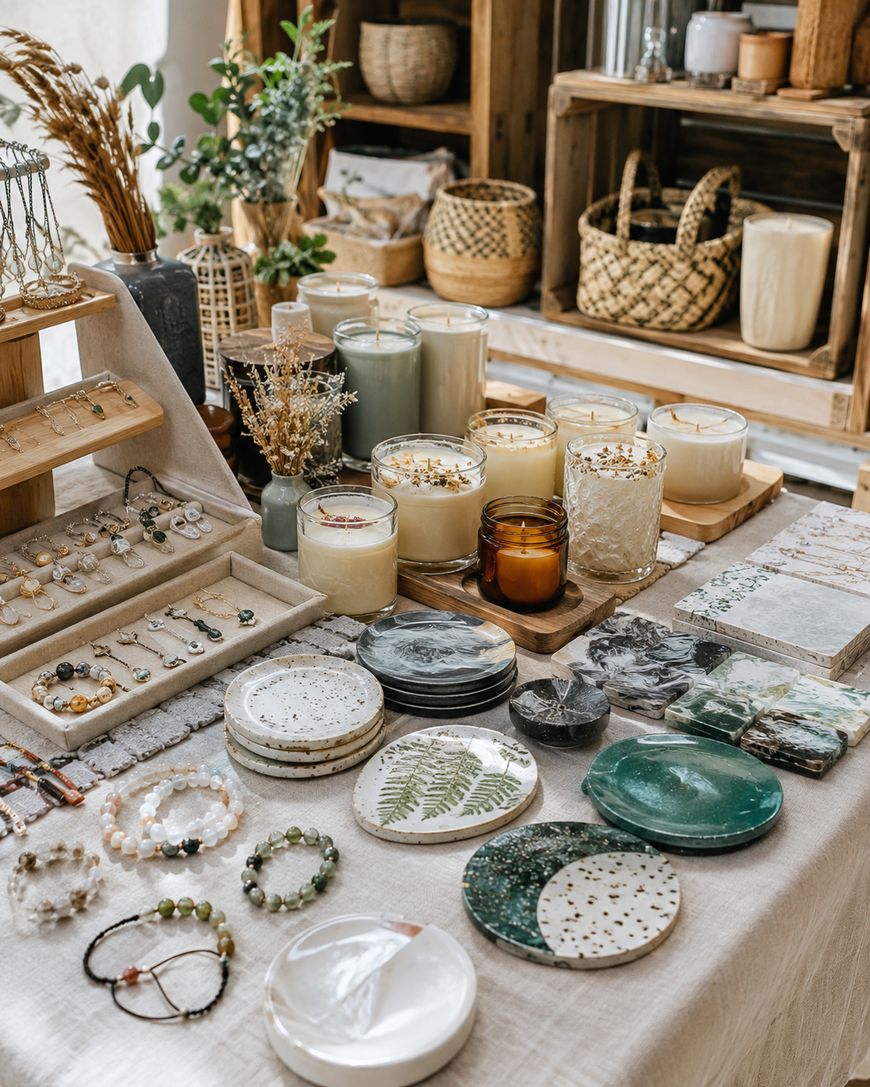
The key to turning a hobby into income is choosing one or two crafts to focus on first rather than spreading yourself across all fifteen. Once you’ve built a small, consistent product line, you can reinvest your profits into better materials and expand from there.
Frequently Asked Questions
Which money making crafts are best for beginners?
Candles, scrunchies, and painted plant pots are among the easiest entry points since they require minimal tools and forgiving techniques. You can learn the basics of any of these in a single weekend.
How much money can you realistically make selling crafts?
It depends heavily on the craft, your pricing, and how consistently you sell, but many crafters earn a few hundred dollars a month as a side income. Some scale into full-time businesses once they build a loyal customer base.
Where should you sell handmade crafts?
Etsy, TikTok Shop, and local craft fairs are the three most common starting points for new sellers. Each platform has different strengths, so you may want to test a couple before committing your full inventory to one.
Do you need a business license to sell crafts?
Requirements vary by location, so you’ll want to check your city and state rules before selling regularly. Many areas allow small-scale hobby sales without a license, but this changes once you cross certain income thresholds.
How do you price handmade items fairly?
A common formula is to add your materials cost, your time at a reasonable hourly rate, and a markup for profit. Undervaluing your time is the most common pricing mistake new crafters make.
What supplies do you need to get started?
Most of these crafts can be started with under $50 in supplies, especially if you already have basic tools like scissors, glue, or a sewing kit. Buying in bulk once you know a craft sells well helps lower your costs further.
Ready to Start Selling Your Crafts?
Pick one of these money making crafts, gather a small batch of supplies, and set a goal to finish your first five pieces this week. The sooner you start listing and selling, the sooner you’ll know which craft is worth scaling into a real income stream.



Leave a Reply