If you’ve ever wondered how to make money from knitting, the good news is you don’t need a fancy studio or years of experience to start. You just need a few solid skeins, a little patience, and a plan for getting your work in front of the right people.
This guide walks you through the most realistic ways to earn from your craft, starting today.
Sell Finished Knitted Goods Online
The most straightforward way to make money from knitting is selling the items themselves. Think cozy hats, scarves, baby blankets, and dish cloths. Etsy remains the most popular marketplace for handmade knitwear because buyers there are already searching for exactly what you make.
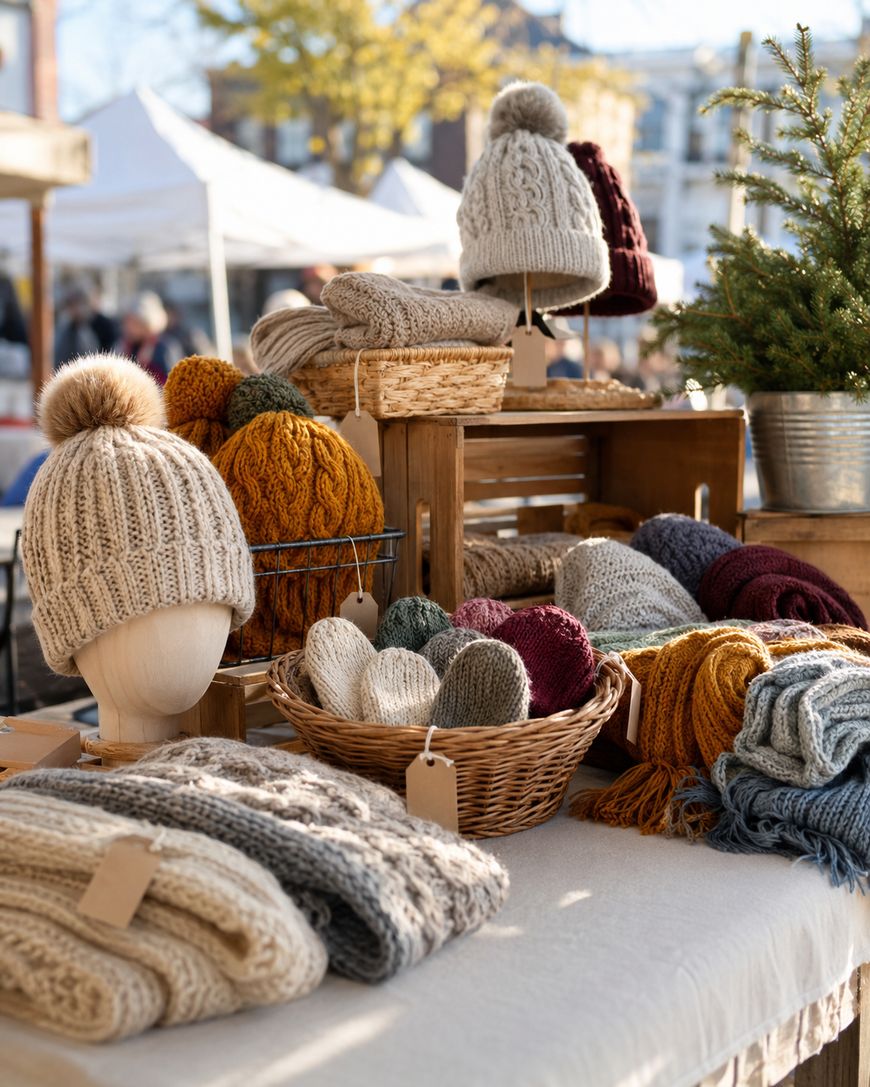
You’ll want clear, well-lit photos and honest sizing details. Buyers can’t feel the yarn through a screen, so your description has to do that work. Mention the fiber content and care instructions in every listing since that’s one of the first things shoppers check.
Pricing matters more than most new sellers realize. Add up your materials, then pay yourself a fair hourly rate for the time it took, even if that number feels high at first. Underpricing is the fastest way to burn out on a craft you love.

Write and Sell Your Own Knitting Patterns
If you enjoy designing more than producing multiples of the same item, patterns can be a better fit. You write the instructions once and sell that same digital file over and over on platforms like Ravelry or Etsy.
A good pattern needs to be tested by someone other than you before it goes live. Recruit a pattern tester from a knitting Facebook group so you catch confusing instructions before a paying customer does.

Clear photos of the finished piece, a size chart, and gauge information all belong in every listing. These small details build trust and cut down on refund requests from confused buyers.
Teach Knitting Classes, In Person or Online
Teaching is one of the most reliable ways to make money from knitting because you’re selling your time and knowledge, not just your finished pieces. Local yarn shops, community centers, and libraries often look for instructors to lead beginner classes.
If in-person teaching isn’t for you, recorded video classes on platforms like Skillshare or your own website can generate income long after you’ve filmed them once. Start with a single, focused topic such as “how to knit your first hat” rather than trying to cover everything at once.
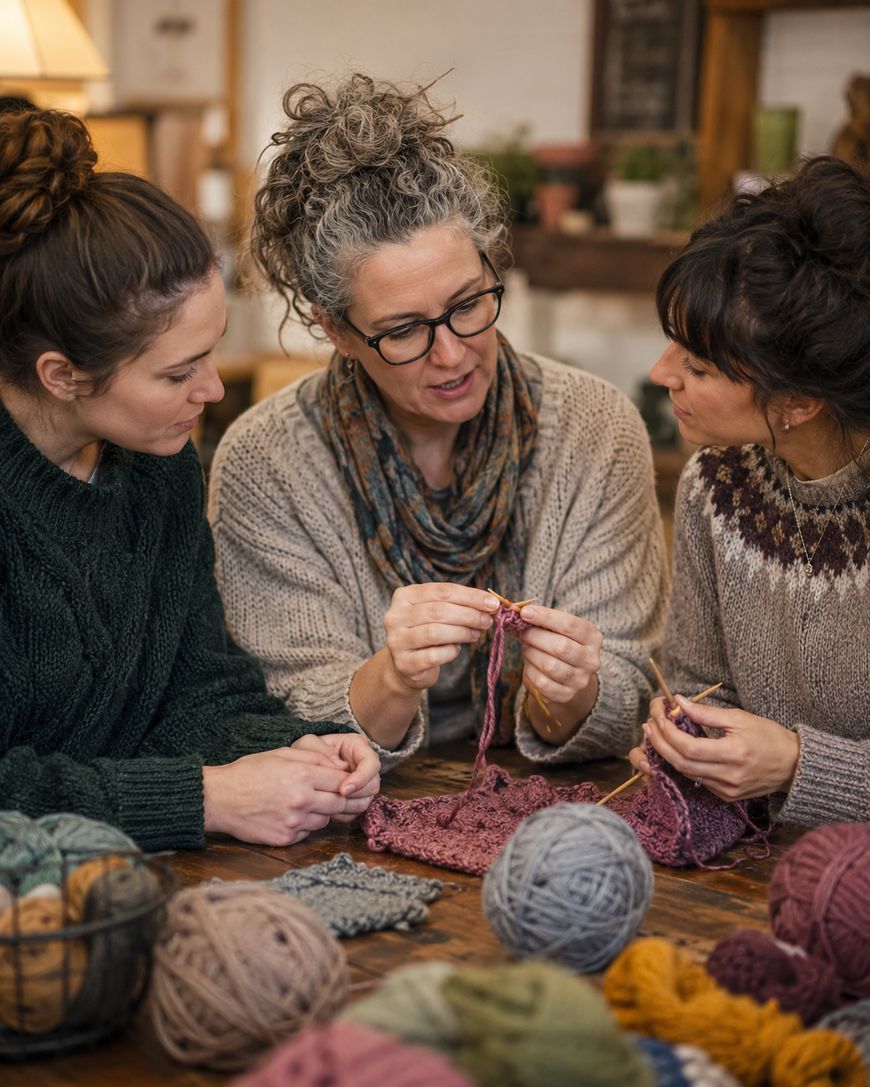
Live workshops over Zoom are another option worth testing. They let you charge more than a recorded class while still skipping travel and venue costs.
Build a Following and Monetize Content
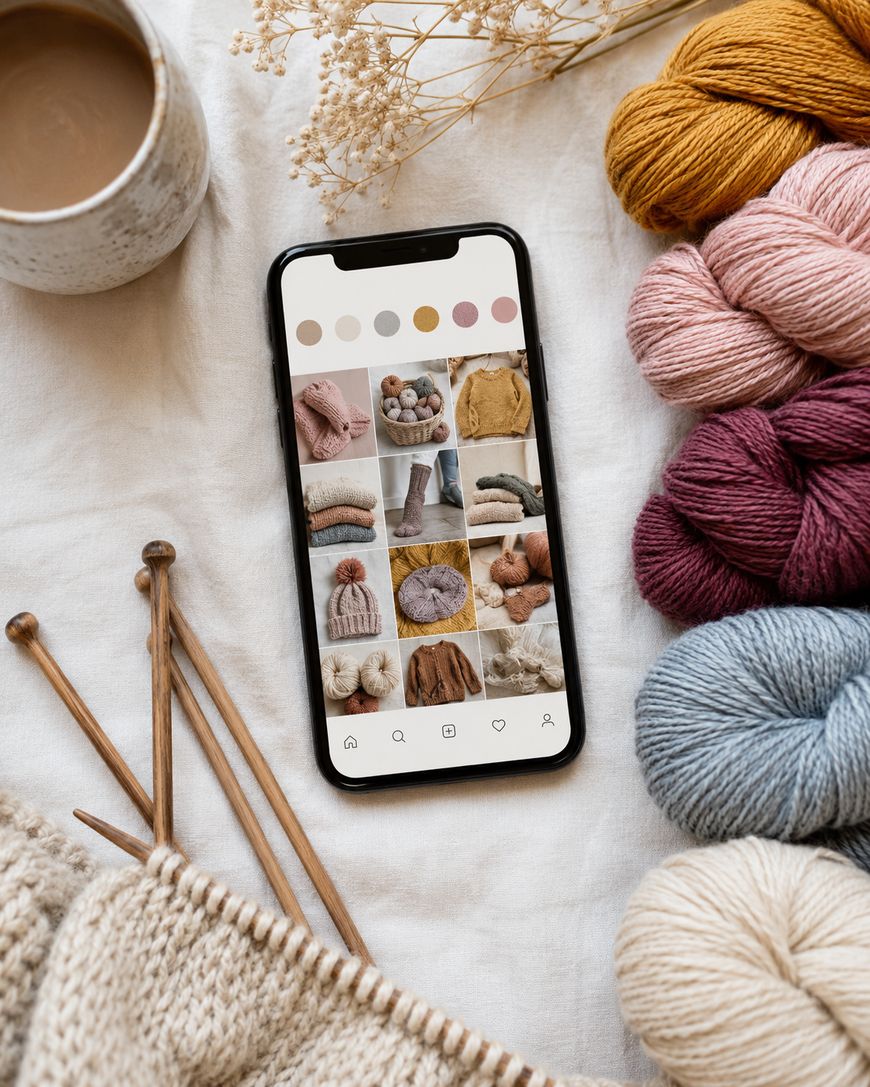
Sharing your knitting process on Instagram, TikTok, or YouTube can open doors that selling alone won’t. Followers who enjoy watching you knit often become customers for your patterns, finished items, or yarn recommendations.
Once you have a modest but engaged audience, affiliate links to yarn and tools you actually use can bring in passive income. Only recommend products you’ve personally tested so your audience keeps trusting your opinion.
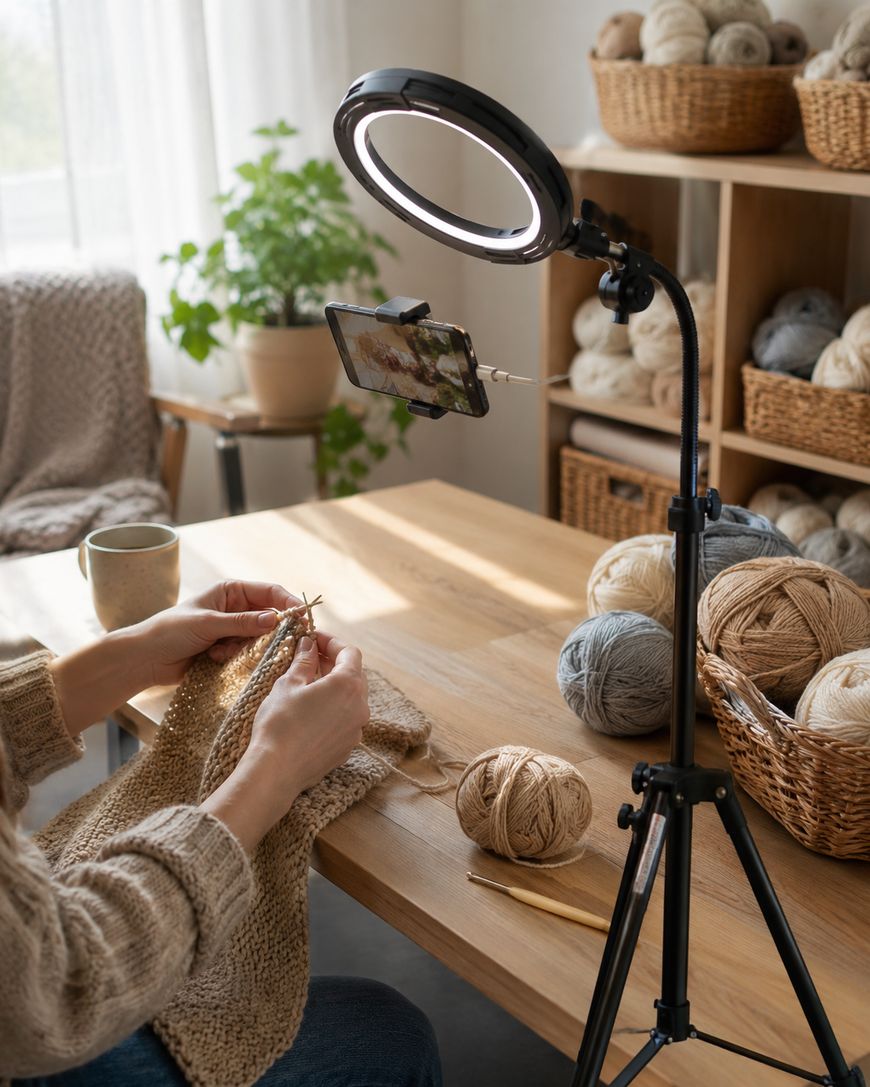
Consistency beats perfection here. Posting a short weekly progress video will build an audience faster than occasional polished content.
Offer Custom and Commission Work
Some knitters do best with one-off commissions rather than a standing shop. A customer might want a sweater in their favorite color, a baby blanket with a specific name knit in, or a matching set for their family.
Commission work lets you charge a premium since the buyer is getting something no one else has. Set clear timelines upfront, since custom pieces take longer than shop-ready items and customers need to know what to expect.
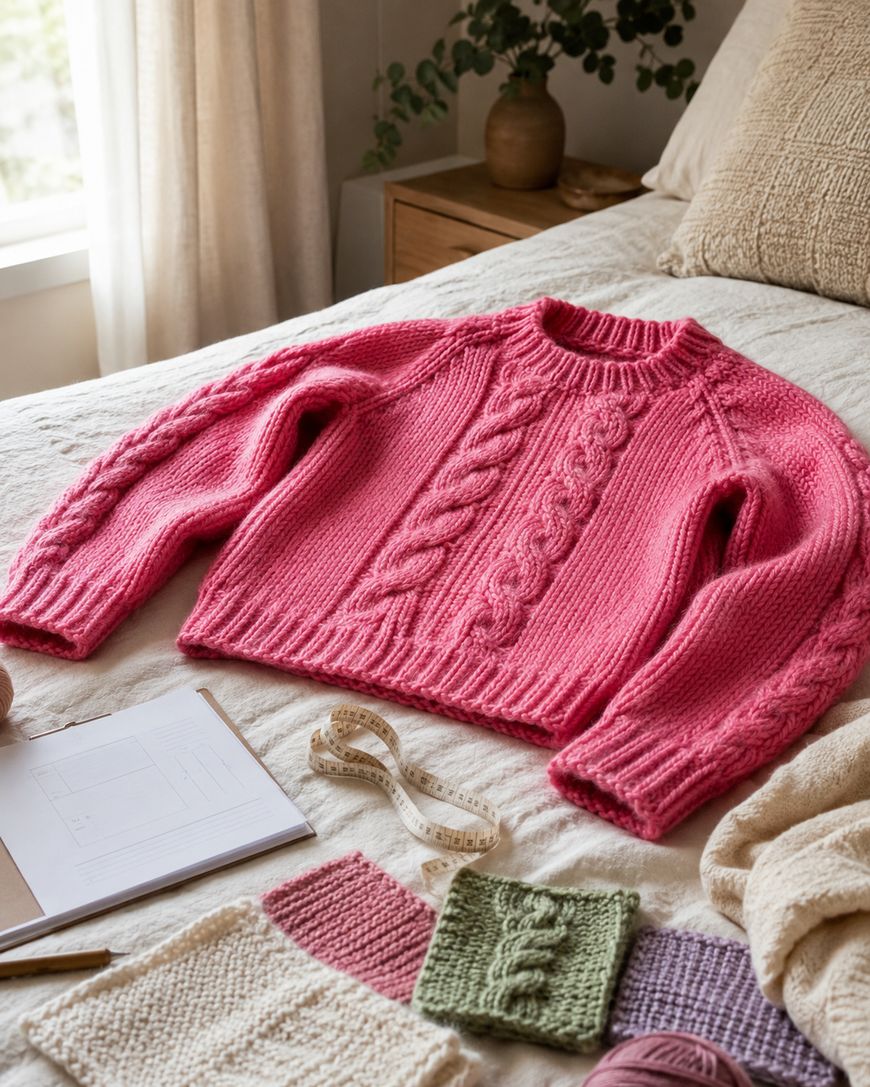
A simple order form asking for size, color, and any special requests keeps the process organized and prevents back-and-forth emails.
Why Knitting Can Be a Real Income Source
Knitting has a lower barrier to entry than most crafts. Yarn and needles are inexpensive compared to equipment needed for pottery or woodworking, and you can knit almost anywhere, which makes it easier to fit around a day job.

The demand for handmade goods has also grown steadily as shoppers look for alternatives to mass-produced items. That shift works in your favor if you’re willing to treat your knitting like a small business rather than just a hobby.
Frequently Asked Questions
How much can you realistically make from knitting?
It varies widely based on how much time you invest and which method you choose. Selling patterns or teaching classes tends to scale better than selling finished items alone, since your time isn’t tied to producing one physical piece at a time.
Do I need to be an expert knitter to start selling?
No, but your first products should showcase techniques you’ve fully mastered. Simple, well-executed items like dish cloths or basic hats often sell better than ambitious pieces with visible mistakes.
What sells best for beginners trying to make money from knitting?
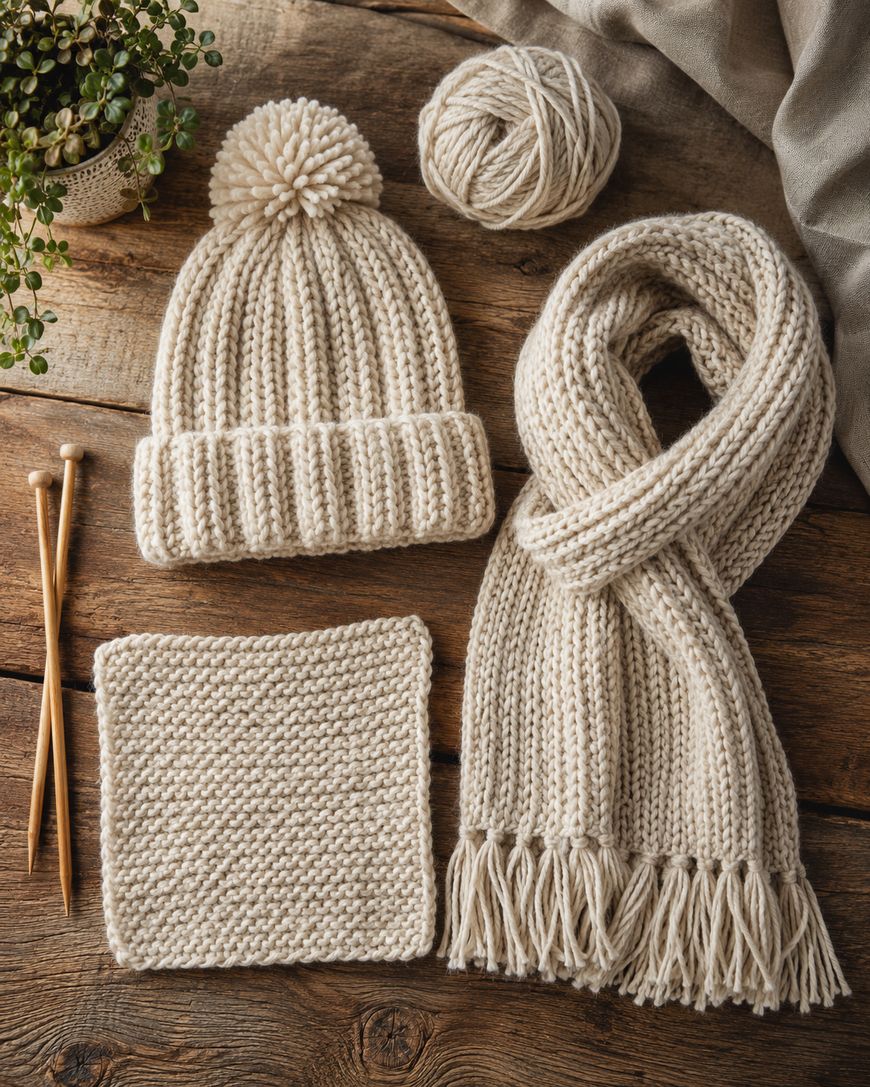
Smaller, quick-to-make items like scarves, headbands, and baby items tend to sell well because they’re affordable for buyers and faster for you to produce and restock.
Is Etsy the only place to sell knitted items?
Not at all. Local craft fairs, farmers markets, and Facebook Marketplace can all work well, especially for building a local customer base before expanding online.
How do I price my knitted items fairly?
Add your material costs to your time multiplied by a fair hourly rate, then compare that number to similar items already selling well. Adjust as you learn what your specific market will pay.
Can I make money from knitting without selling anything physical?
Yes. Selling digital patterns, teaching classes, and building a content following are all ways to earn from your knitting skills without shipping a single finished item.
Start Turning Your Knitting Into Income
You don’t have to pick just one path to make money from knitting. Many knitters combine a small shop with the occasional class or a handful of patterns, building income from a few directions at once.
Pick the option that fits your schedule and skill level right now, and let it grow from there.


Leave a Reply