If you’ve been looking for digital product journal ideas that are both easy to create and genuinely profitable, you’re in exactly the right place. We’re breaking down 25 proven journal concepts, who buys them, and how you can start building your own digital product shop today.
Digital journals have exploded in popularity because buyers get an instant download they can use on their tablet, phone, or printed at home — and sellers earn passive income long after the initial work is done. Whether you’re new to the digital product world or ready to expand your existing shop, these ideas will give you a clear path forward.

Why Digital Journals Are One of the Best Digital Products to Sell
The digital journal market is growing fast, and for good reason. Buyers are looking for tools that help them stay organized, process their emotions, hit their goals, and slow down in a world that moves way too quickly.
Unlike physical journals, digital versions have no printing costs, no shipping headaches, and no inventory to manage. You create the product once and sell it hundreds — or even thousands — of times. Platforms like Etsy, Gumroad, and your own website make it easier than ever to reach people who are actively searching for exactly what you make.
The other reason digital journals work so well is that buyers tend to be repeat customers. Someone who loves your anxiety journal will come back for your morning routine planner or your goal-setting workbook. Building a cohesive collection of digital product journal ideas around a single niche is one of the smartest moves you can make as a creator.

You don’t need a graphic design degree or expensive software. Canva’s free tier, Google Docs, and Notion templates are all legitimate tools that real sellers use every day to build profitable shops.
Wellness and Mental Health Journal Ideas
Wellness is one of the biggest niches in the digital journal space, and buyers here are highly motivated to invest in tools that support their mental health. These journal types tend to command strong prices and generate excellent reviews.
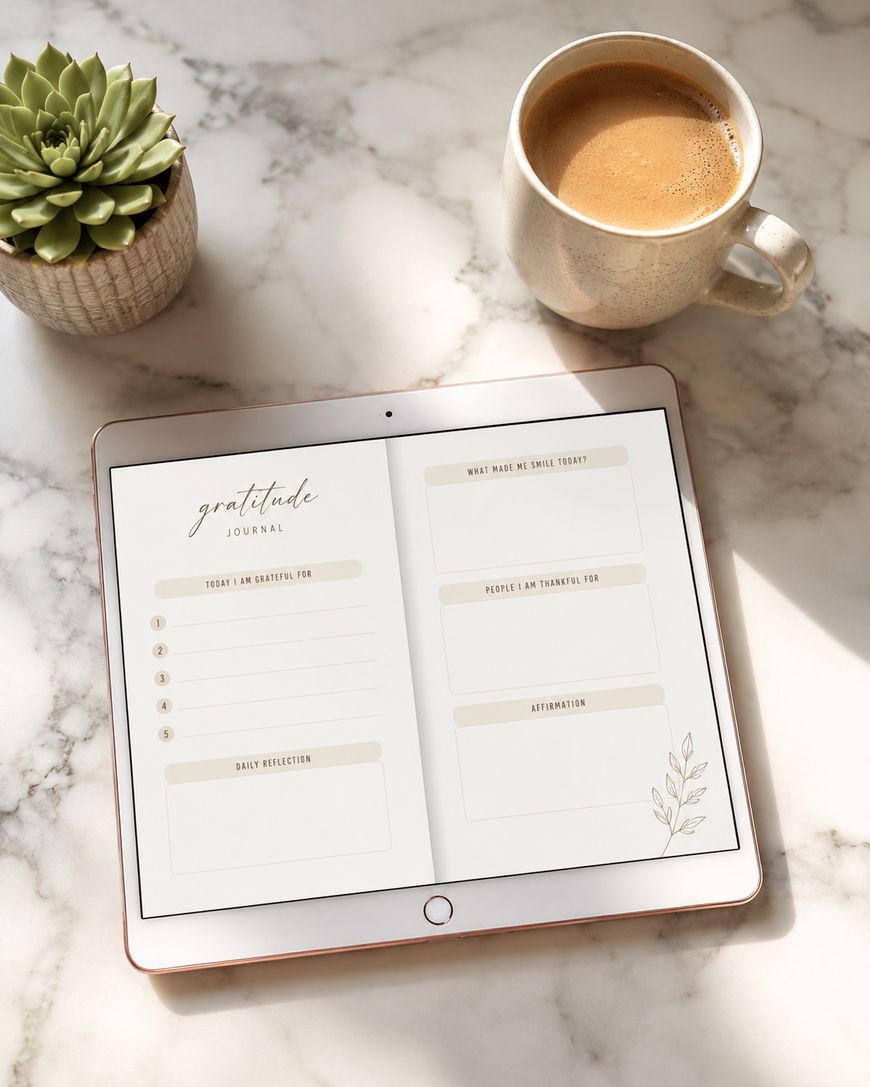
A daily gratitude journal is one of the most consistently popular digital products across all platforms. You can design simple pages with prompts like “three things I’m grateful for today” or go deeper with reflections on why those things matter. Adding a weekly review page and a monthly intention-setting spread makes the product feel complete and worth a premium price.
An anxiety and mood tracker is another strong seller. Buyers dealing with anxiety want a structured place to log their triggers, track patterns over time, and celebrate progress. Including a mood scale, a space to write about what happened that day, and a brief affirmation section gives this product real depth.
A self-care planner works beautifully as both a standalone product and a bundle add-on. You can build it around weekly self-care check-ins, space for tracking sleep, water intake, and movement, plus reflection prompts that encourage the buyer to identify what’s working and what needs adjustment.
A therapy notes companion journal is a newer product type that’s gaining real traction. Many people in therapy want a place to jot down insights between sessions, track homework assignments from their therapist, and notice patterns in their thinking. Keep it structured rather than clinical: you are selling blank pages and prompts, not exercises or techniques, and the listing should say so plainly. Anything that reads as a therapeutic method is a different product with different obligations behind it.
A seasonal emotions journal — one for fall, winter, spring, and summer — gives you four separate products from one core concept. Each version can speak to the emotional landscape of that season, helping buyers move through transitions with more intention and self-awareness.
Goal Setting and Productivity Digital Journals
Productivity journals attract buyers who are ready to take action. These are some of the best digital product journal ideas if you want to reach an audience that spends consistently on tools that help them grow.
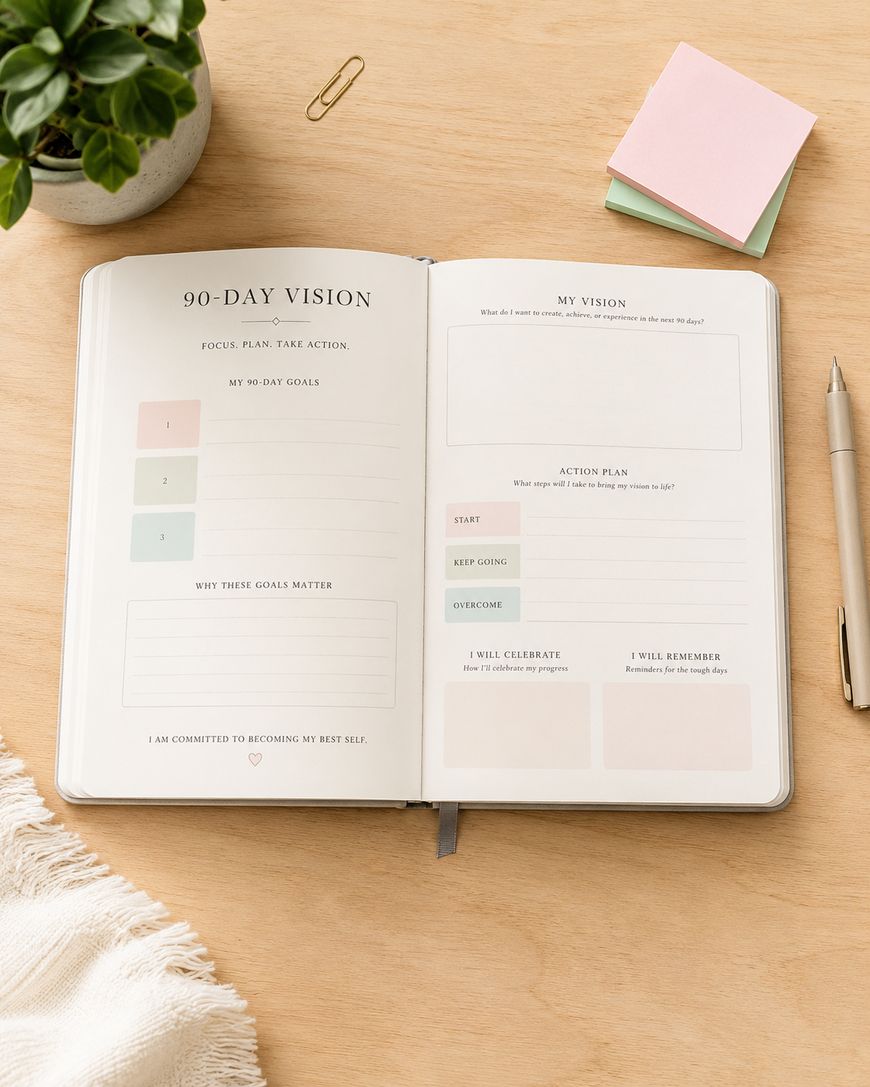
A 90-day goal planner is a classic for a reason. It gives buyers enough structure to feel supported without being so long that the commitment feels overwhelming. Include a vision page, monthly check-ins, weekly planning spreads, and a daily action tracker to create a product that genuinely helps people follow through.
A habit tracker journal can be as simple or complex as you want to make it. A clean, minimal design with space to track up to ten habits per month, along with a brief reflection section at the end of each week, is often more effective — and more appealing — than something overly complicated.
A business goals journal is perfect for the entrepreneur crowd. You can include sections for quarterly revenue goals, marketing plans, content calendars, and weekly business reviews. This type of product can sell at a higher price point because buyers see it as a business investment rather than a personal purchase.

A student success planner bridges the gap between academic planning and personal development. Include sections for semester goals, weekly study schedules, exam prep trackers, and motivational check-ins. Back-to-school season is peak selling time for this type of digital product.
A morning and evening routine journal helps buyers build the kind of consistent daily structure that supports everything else in their life. Morning pages for intention-setting and evening pages for reflection and wind-down make this a product people use every single day.
Creative and Hobby-Based Journal Ideas
Creative journals have a passionate, enthusiastic buyer base. People who love art, reading, travel, and other hobbies are always looking for ways to deepen their engagement with the things they love.

A reading journal is a perennial bestseller in the digital product world. Include pages for logging books, writing mini-reviews, tracking reading goals, and recording favorite quotes. You can create niche versions for romance readers, fantasy fans, or nonfiction enthusiasts to target even more specific audiences.

An art journal or sketchbook prompt collection gives creative buyers a structured place to practice and play. Instead of blank pages, offer a series of prompts, challenges, and reflection questions that push them to try new things and document their progress.
A travel planning and memory journal is wonderful for people who want to document their adventures. Include destination planning pages, packing lists, daily travel diary spreads, and a photo memory section. This works especially well as a printable product because buyers can take printed pages on the road with them.

A recipe development journal is a hidden gem in the digital product journal ideas space. Food creators, home cooks, and baking enthusiasts love having a dedicated place to test recipes, note adjustments, and record the stories behind the dishes they make. This one sells especially well on platforms where food content is popular.
A garden planning journal taps into a huge and growing hobby market. Pages for seasonal planting schedules, seed inventory, harvest logs, and garden sketches make this a practical tool that buyers return to year after year.
Financial and Life Planning Journals
Money and life planning journals appeal to buyers who are serious about getting their lives organized. These products tend to attract buyers with disposable income and a genuine willingness to invest in tools that support their goals.
A budget and savings tracker journal gives buyers a tangible, hands-on way to manage their finances. Monthly budget spreads, savings goal trackers, debt payoff pages, and a net worth snapshot section create a comprehensive tool that feels both empowering and practical.
A debt-free journey journal is a more emotionally resonant take on financial planning. Buyers who are working to pay off debt want to feel motivated and supported, and a journal that celebrates their wins, tracks their progress visually, and includes affirmations for the hard days meets that need beautifully.

A home management journal helps busy households stay on top of cleaning schedules, maintenance tasks, grocery planning, and family logistics. This is a fantastic product to bundle with a meal planner or budget tracker for a higher-ticket shop offering.
A pregnancy or new parent journal gives buyers a meaningful way to document one of the biggest transitions of their lives. Weekly milestone pages, space for letters to the baby, and memory-keeping sections make this an emotional purchase that buyers treasure.
A life audit workbook is a more intensive product that guides buyers through a comprehensive review of every area of their life — career, relationships, health, finances, and personal growth. This works well as a premium offering and pairs naturally with a goal planner.
Niche and Seasonal Digital Journal Ideas
Niche journals let you stand out in a crowded market by speaking directly to a very specific buyer. These digital product journal ideas work especially well when you already have an audience or a clear niche in mind.

A sobriety and recovery journal offers a judgment-free space for buyers on a recovery journey. Daily check-ins, gratitude prompts and milestone tracking make this a meaningful product, and it is one to build carefully. Leave the coping strategies to the buyer and their own program or counselor rather than writing them yourself, and include a page listing support lines and where to find local meetings, so anyone who opens the journal on a hard day has somewhere to go.
A pet parent journal is a fun, lighthearted option that appeals to the massive community of dog and cat lovers. Include pages for vet visit logs, training progress, funny memory recording, and a yearly photo spread.

A wedding planning journal gives engaged couples a beautiful alternative to generic planner apps. Checklists, vendor contacts, budget tracking, and journaling prompts about the experience create a product that feels both functional and sentimental.
A seasonal self-reflection journal tied to the solstices and equinoxes resonates with the wellness and spirituality community. Each version can include rituals, prompts, and intention-setting practices specific to that time of year.
Q&A: Digital Product Journal Ideas
What types of digital journals sell best on Etsy?
Gratitude journals, goal planners, and habit trackers consistently perform well on Etsy. Niche products — like sobriety journals, wedding planners, and reading logs — also sell strongly because buyers search for very specific tools and are highly motivated when they find the right one.
Do I need design experience to create digital journals?
You don’t need professional design experience to get started. Canva is the most popular tool among digital journal creators because it has a large library of templates, fonts, and graphics you can customize for your own products. Many successful sellers started with no design background at all.
What format should I use for digital journals?
PDF is the most universal and widely used format for digital journals. It works across all devices, is easy to print, and is compatible with popular annotation apps like GoodNotes and Notability that tablet users love. Offering both a letter-size and A4 version broadens your potential customer base.
How do I price digital journal products?
Most digital journals sell between $5 and $20, with more comprehensive planners and workbooks reaching $25 to $40 or higher. Bundles typically sell well at $15 to $30 because buyers feel they’re getting strong value. Start at the lower end while you build reviews and adjust your pricing as your shop grows.
Can I sell the same journal on multiple platforms?
Yes, and you should. Selling the same digital product journal ideas on Etsy, Gumroad, your own website, and even Shopify maximizes your reach without any extra creation work. Just make sure you’re not violating any platform-exclusive agreements if you’re using templates licensed from a third-party designer.
How long does it take to create a digital journal?
A simple single-topic journal can take as little as a few hours to design in Canva. More comprehensive planners with multiple sections, covers, and bonus pages might take a few days or a weekend of focused work. The time investment is small relative to the long-term earning potential.
Start Creating Your Digital Product Journal Today
The best digital product journal ideas are the ones you actually make. Pick one concept from this list that genuinely excites you, matches your audience, and fills a gap you’ve noticed in the market.
Start simple, launch fast, and use real buyer feedback to improve your product over time. You don’t need a perfect product — you need a good product in front of the right people.
Digital journals are one of the most accessible, low-cost, and scalable ways to build passive income online. Whether you create one journal this month or build a full shop of twenty products, every digital product journal idea you bring to life is another income stream working for you around the clock.
Pick your idea, open Canva, and start building today.
Health-related digital products




Leave a Reply