These health digital product ideas are simple, downloadable or app-based tools that help people improve a specific health outcome, habit, or decision, usually through education, tracking, guidance, or templates. Pick one narrow health problem for one clear audience and build a small, reusable product that helps them take one action consistently.
Health Digital Product Ideas You Can Build And Sell
1. A One-Page Symptom Tracker For A Single Condition
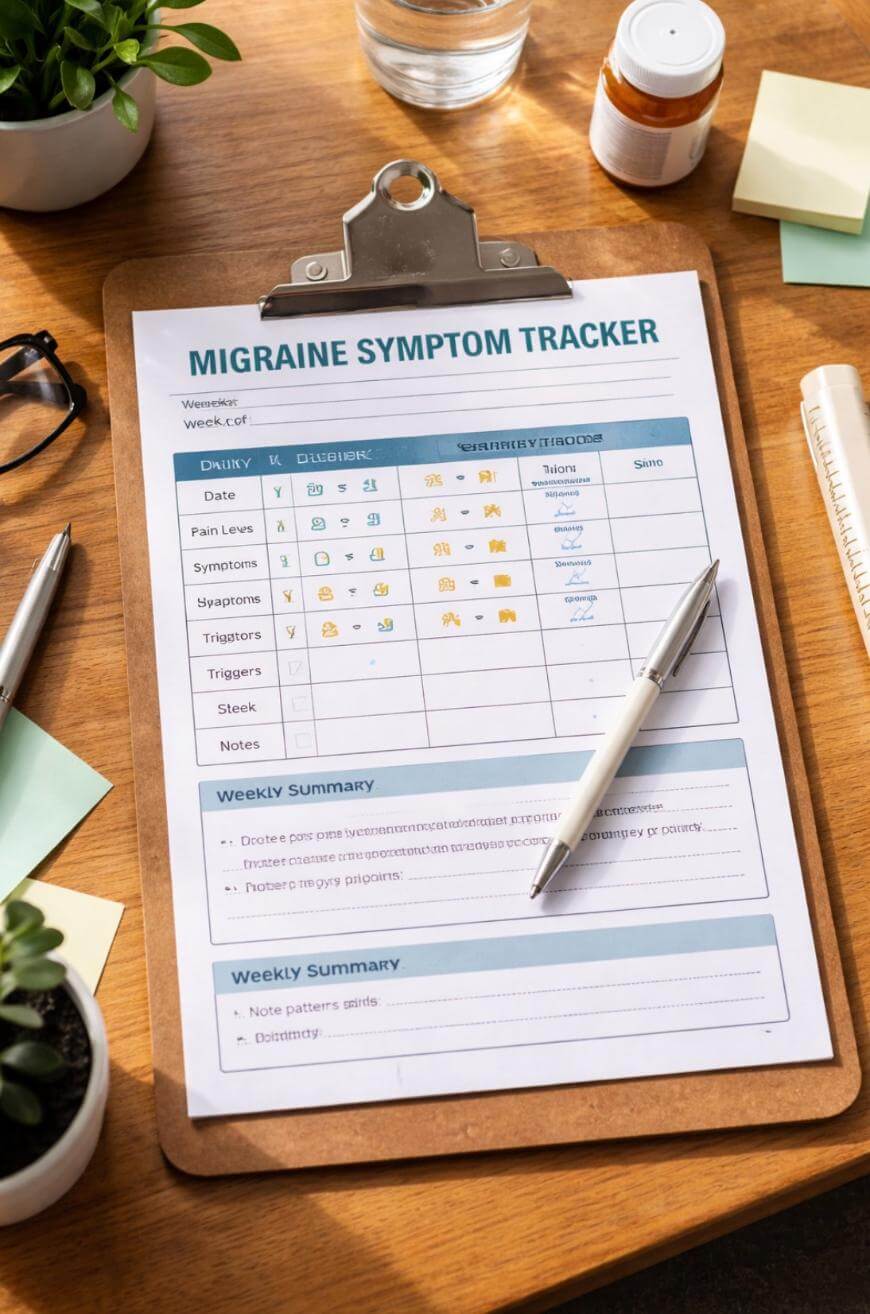
Create a printable and fillable PDF that tracks 3–5 symptoms plus triggers for one condition like migraines, IBS, or eczema. Keep it simple so people actually use it daily.
Add a “bring this to your appointment” version with a weekly summary box, because that feels immediately useful and makes the product more shareable.
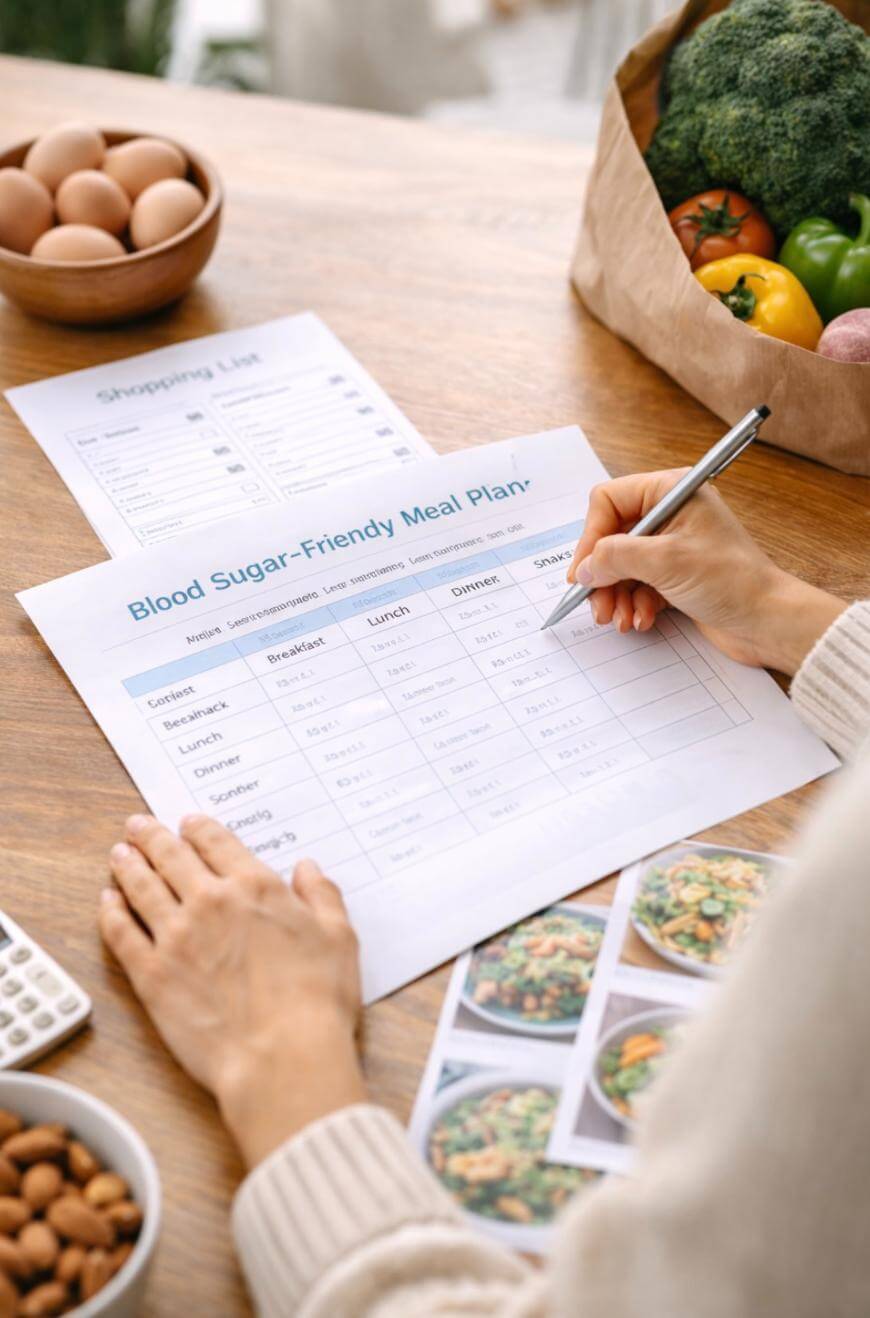
2. A 30-Day Blood Sugar-Friendly Meal Planning System
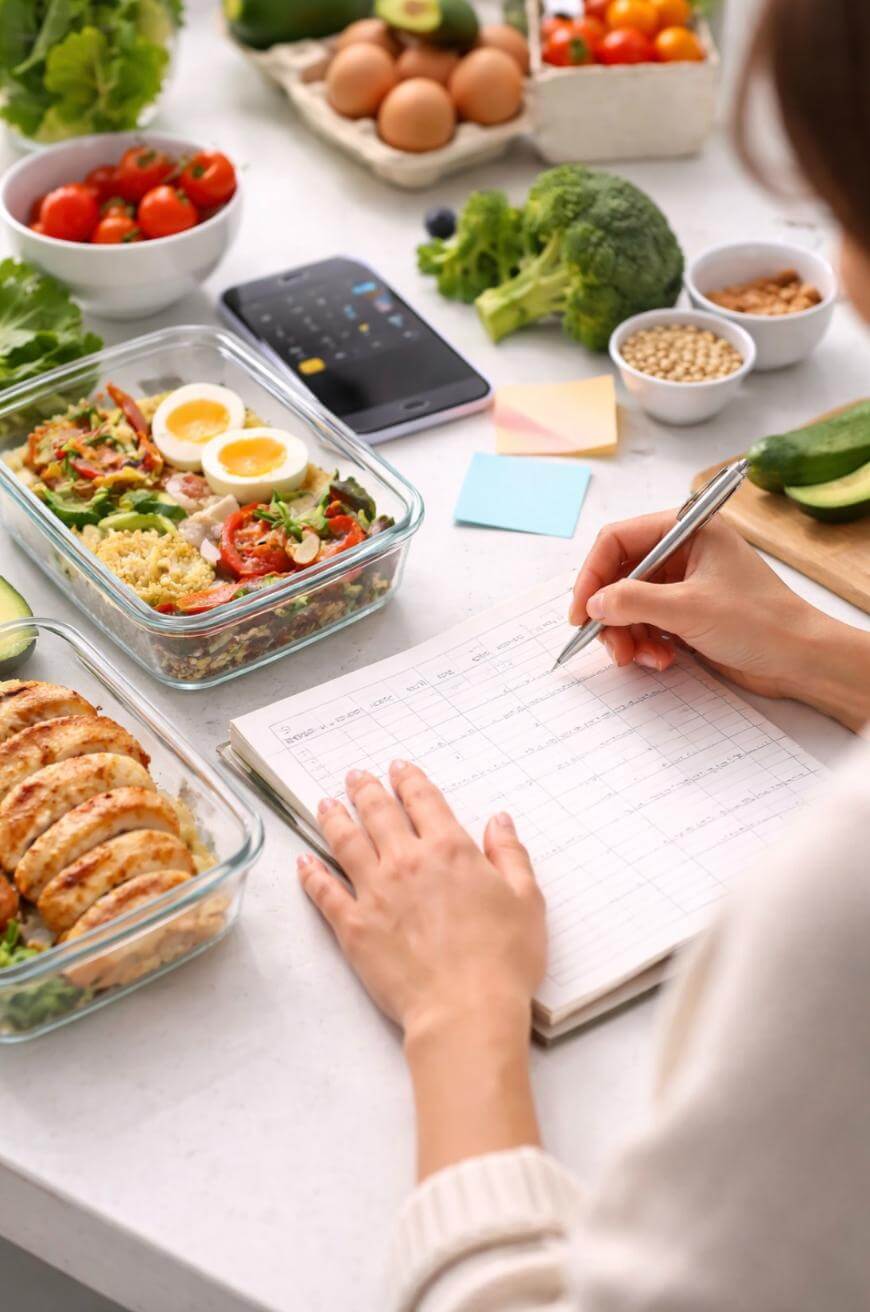
Make a digital planner that includes a weekly shopping list template, meal rotation ideas, and a simple carb counting cheat sheet. You are selling structure, not recipes.
Keep the targets out of it. Blood sugar management is individual and prescribed, so give buyers the structure to record what their own care team has told them rather than a number you have set for them.
3. A Digital “Stretch Break” Timer Pack For Desk Workers
Build a set of mobile-friendly timer cards or a lightweight web app that prompts 60–120 second breaks every 45–60 minutes. Desk pain is a clear pain point and it’s easy to market.
Offer three modes like “neck,” “hips,” and “wrists,” and let people choose based on what hurts most.

4. A Habit Builder For Medication Adherence
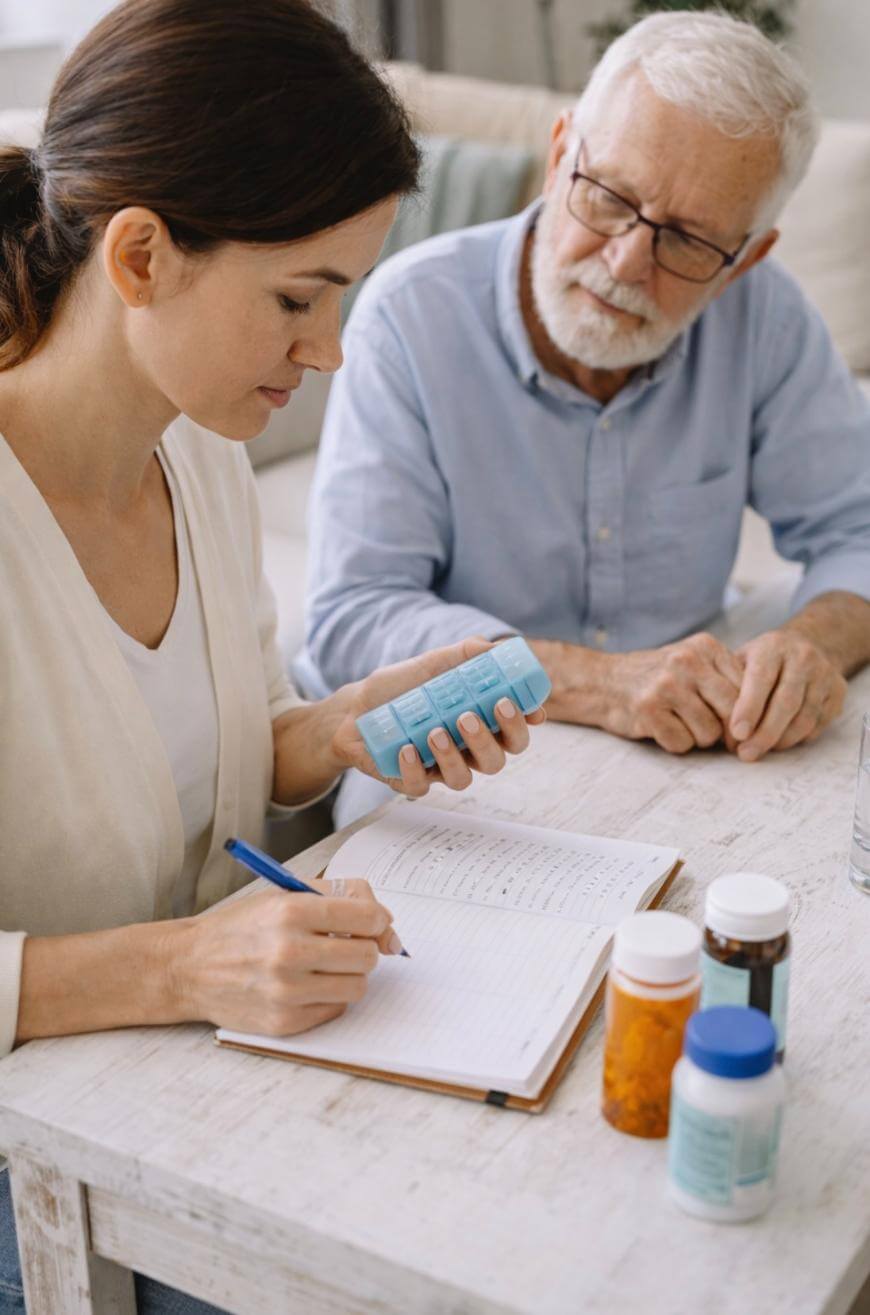
Create a template pack that includes reminder scripts, a weekly refill checklist, and a blank space for the patient to write in the instructions their own pharmacist or prescriber has given them. Leave the clinical content to them — what to do about a missed dose depends on the drug, and that is not a call a template can make. People pay for reduced stress and fewer mistakes.
A strong upgrade is a version designed for caregivers managing meds for a parent, with a shared log format.
5. A Sleep Routine Builder With A Simple Scoring System
Make a workbook that helps users build a consistent wind-down routine and track 5 factors like caffeine timing, screens, bedtime, wake time, and stress. Give them a sleep score out of 10 each day.
Add a “minimum effective routine” option that takes 10 minutes, because most people quit when the plan is too big.
6. A Beginner-Friendly Strength Training Program For One Goal
Sell a 6-week beginner plan for a single goal like “stronger back” or “glute strength,” delivered as a PDF plus video demos. Keep workouts to 20–35 minutes to reduce drop-off.
Include a simple progression rule like “add 2.5–5 lb when you can complete all sets with good form.”
7. A “Healthy Grocery List By Store Aisle” Template Pack
Build a customizable grocery list system organized by aisles with swap suggestions (Greek yogurt instead of sugary snacks, etc.). This saves time and reduces decision fatigue, which is what people are really buying.
Offer versions for different needs like high-protein, dairy-free, or budget-focused, but keep each version clean and uncluttered.
8. A Prenatal Or Postpartum “What To Track” Dashboard
Create a private, printable tracker for sleep, hydration, mood, appointments, and questions for the doctor. People want one place for everything during a chaotic season.
Include a “two-minute daily check-in” layout so it works even on the hardest days.
9. A Digital Meal Prep Calculator And Portion Planner
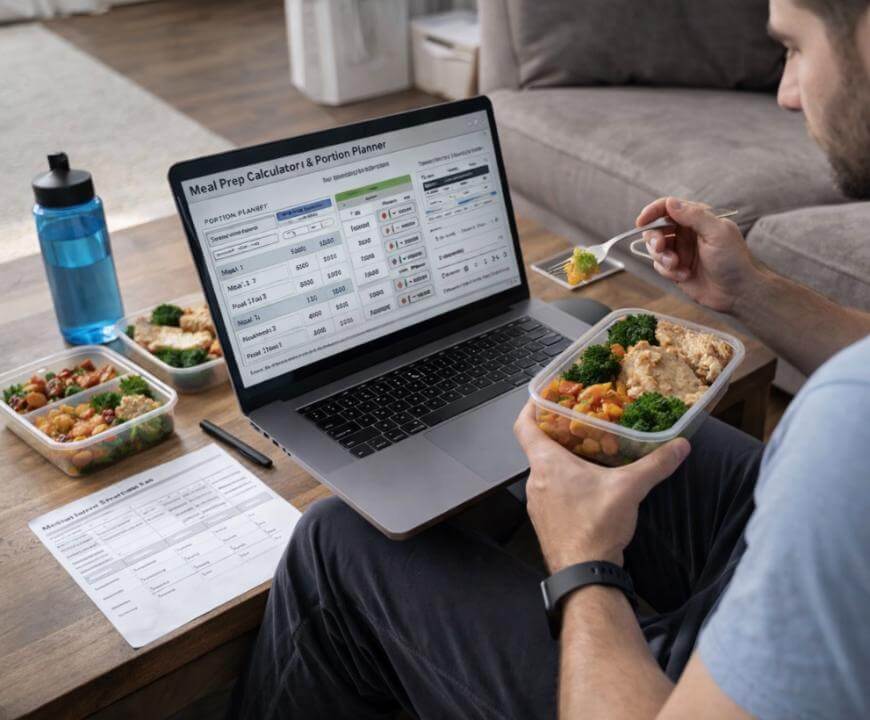
Give users a spreadsheet-style calculator (in a downloadable format) that converts a weekly calorie and protein target into portion sizes for a few staple meals. Make it practical, not perfectionist.
A good numeric anchor is “prep 2 proteins + 2 carbs + 3 vegetables per week” to keep it manageable.
10. A Stress Reset Library Of 5-Minute Scripts
Package short audio or text-based scripts for breathing, grounding, and rapid stress resets that fit into a workday. Sell it as a “use-anywhere” library.
Organize by situation like “before a meeting,” “after a conflict,” and “can’t fall asleep,” so users don’t have to think.
11. A Walking Program With Progressive Steps Targets
Create a 4–8 week walking plan that starts at the user’s baseline and increases slowly. This works because it is accessible and doesn’t require equipment.
Use a simple numeric progression like “increase weekly steps by 5–10%” so users feel safe and consistent.
12. A Nutrition Label Reading Mini-Course
Build a short course that teaches people how to read nutrition labels, spot hidden sugar, and compare products fast. Keep it focused on shopping decisions, not deep nutrition theory.
Add a printable “3 things to check first” cheat sheet to make the course feel actionable immediately.

13. A Digital Pantry “Healthy Swaps” Guide For Families
Make a guide that helps parents swap common pantry items for better options without changing everything at once. Families buy relief from the daily struggle, not lectures.
Add a “start with 10 swaps” challenge and a budget version that caps swaps at $5–$10 per week.
14. A PCOS Or Hormone Support Planning Toolkit
Create a planning toolkit that tracks cycle, energy, cravings, workouts, and meals in one place. Keep the language supportive and avoid medical claims.
Include a “data to share with your clinician” summary page so the user feels more in control at appointments.
15. A Digital Physical Therapy Home Exercise Log
Build a clean exercise log people can use alongside a PT plan, with sets, reps, pain scale, and notes. Many people stop doing PT because they lose track or motivation.
A simple add-on is a “two-week streak” visual tracker, because adherence is the biggest win.
16. A Simple Meal Decision System For Busy People
Sell a “choose-your-meal” flowchart that turns a handful of staples into quick meals. People want fewer choices, not more recipes.
Make it concrete with a rule like “keep 12 core ingredients and rotate 6 meals” so it feels doable.
17. A Digital Hydration Coach With Personalized Triggers
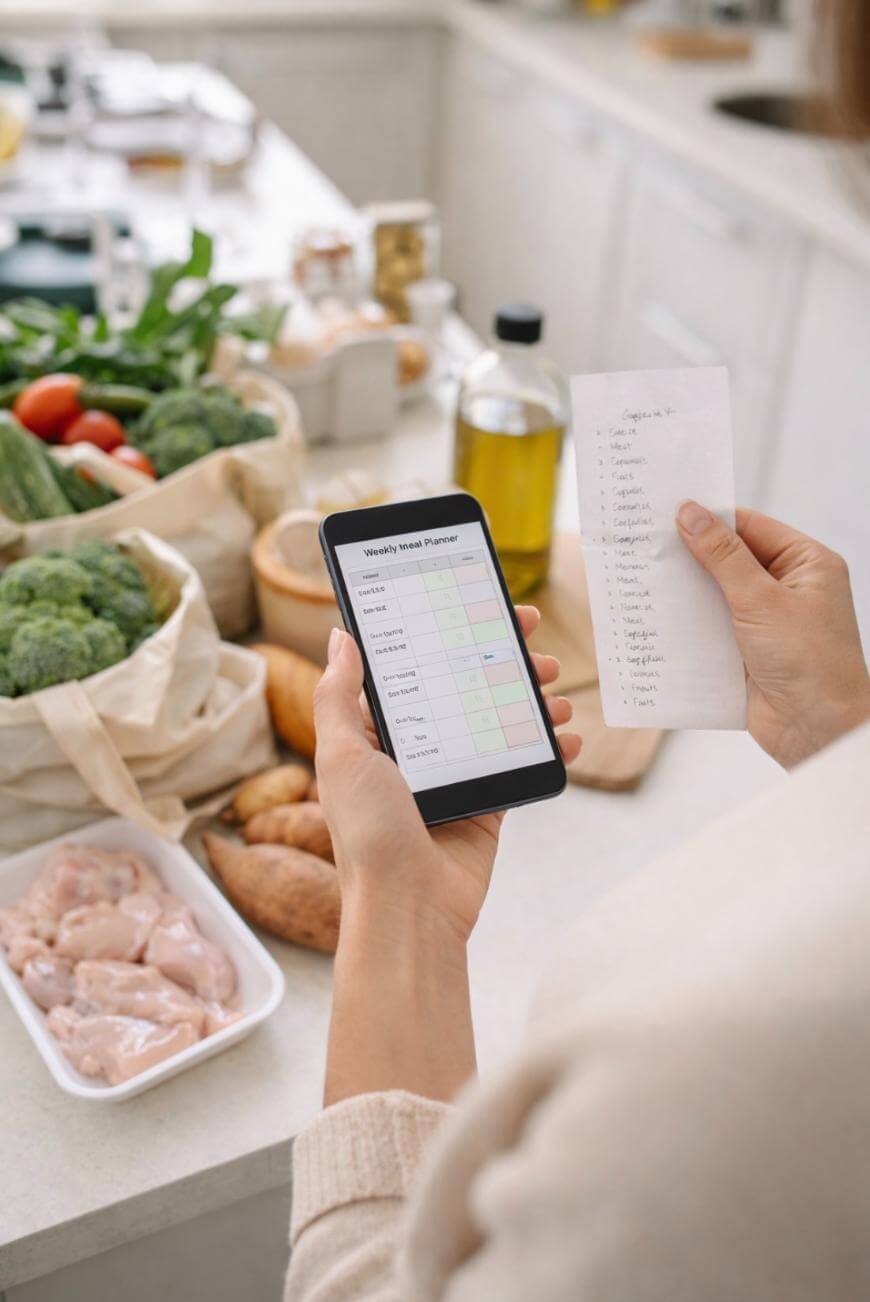
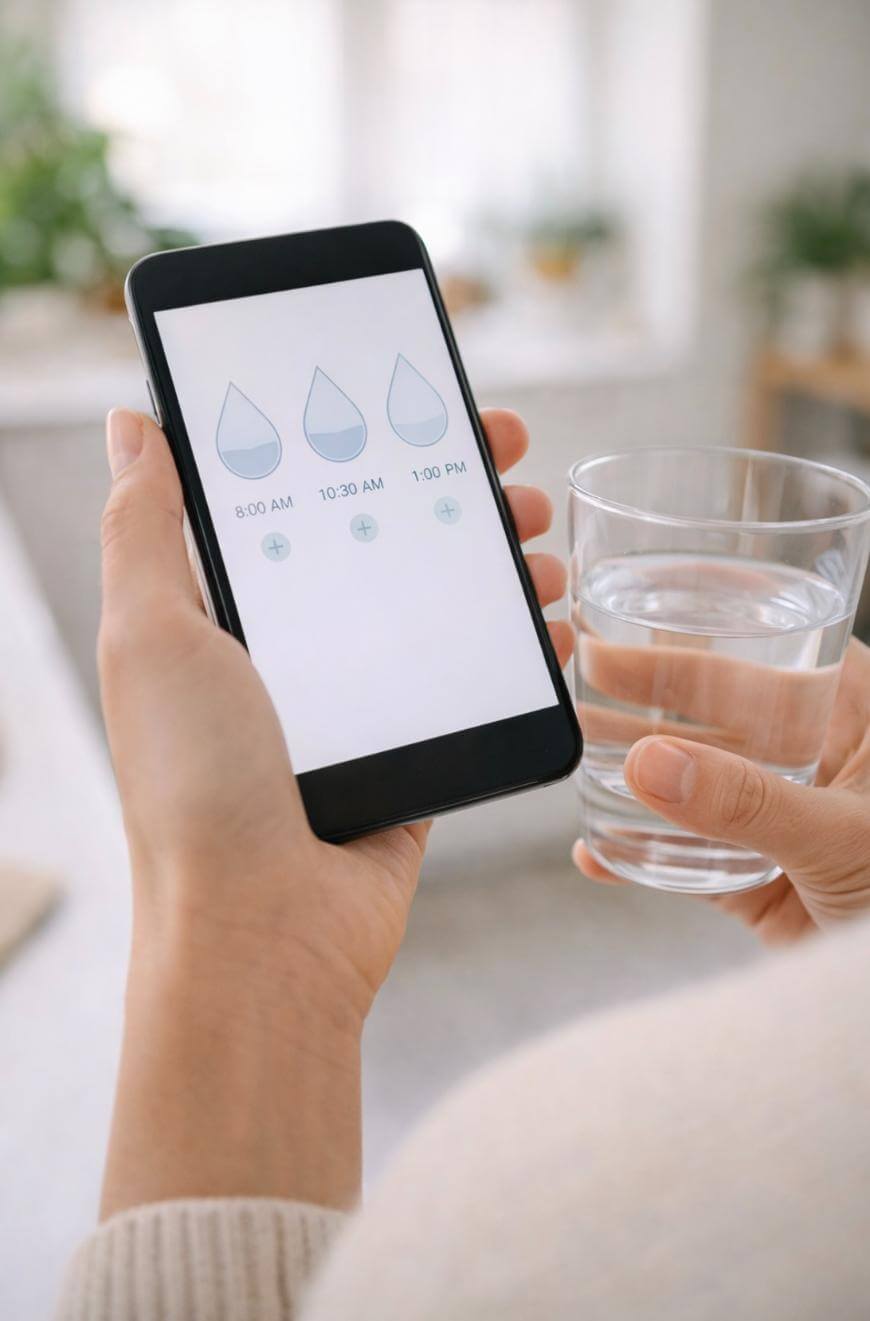
Create a hydration plan that ties reminders to existing habits like “after coffee,” “after the school run,” or “after meetings.” It’s more effective than generic reminders.
Use a simple target like “start with 64 oz/day and adjust by activity and weather” as a clear baseline.
18. A Mindful Eating Tracker That Avoids Calorie Counting
Build a tracker that focuses on hunger/fullness cues, emotional triggers, and satisfaction. Many people want a healthier relationship with food without obsessive tracking.
Include a “3-question check-in” format so it takes under 2 minutes per meal.
19. A “Healthy Snacks Under 200 Calories” Pack With Shopping Lists
Create a snack pack with options, portion visuals, and a categorized shopping list. This sells well because it’s specific, fast, and solves a daily pain point.
Offer versions for high-protein, kid-friendly, and no-cook snacks to broaden your audience without changing the core product.
20. A Digital Self-Care Planner For Burnout Prevention
Make a planner that helps users schedule recovery time like sleep, movement, social time, and boundaries. Burnout is vague, so your product should be structured and simple.
Include a numeric guideline like “schedule 3 recovery blocks per week, 20–60 minutes each,” to make it concrete.
21. A “Healthy Budget” Meal Plan That Uses Repeat Ingredients
Build a meal plan that reuses ingredients across the week to cut costs and waste. People love anything that simplifies both health and money.
Add a budgeting worksheet that targets a weekly grocery cap like $60–$120 depending on household size, so users can adapt it.
22. A Digital “Desk Ergonomics Setup” Checklist And Photo Guide
Create a setup guide with clear measurements and quick fixes using household items. This is very productizable because the result is immediate comfort.
Use simple numbers like “screen top at eye level” and “elbows around 90 degrees” to make it easy to follow.
23. A “Micro-Workout” Library For 10 Minutes Or Less
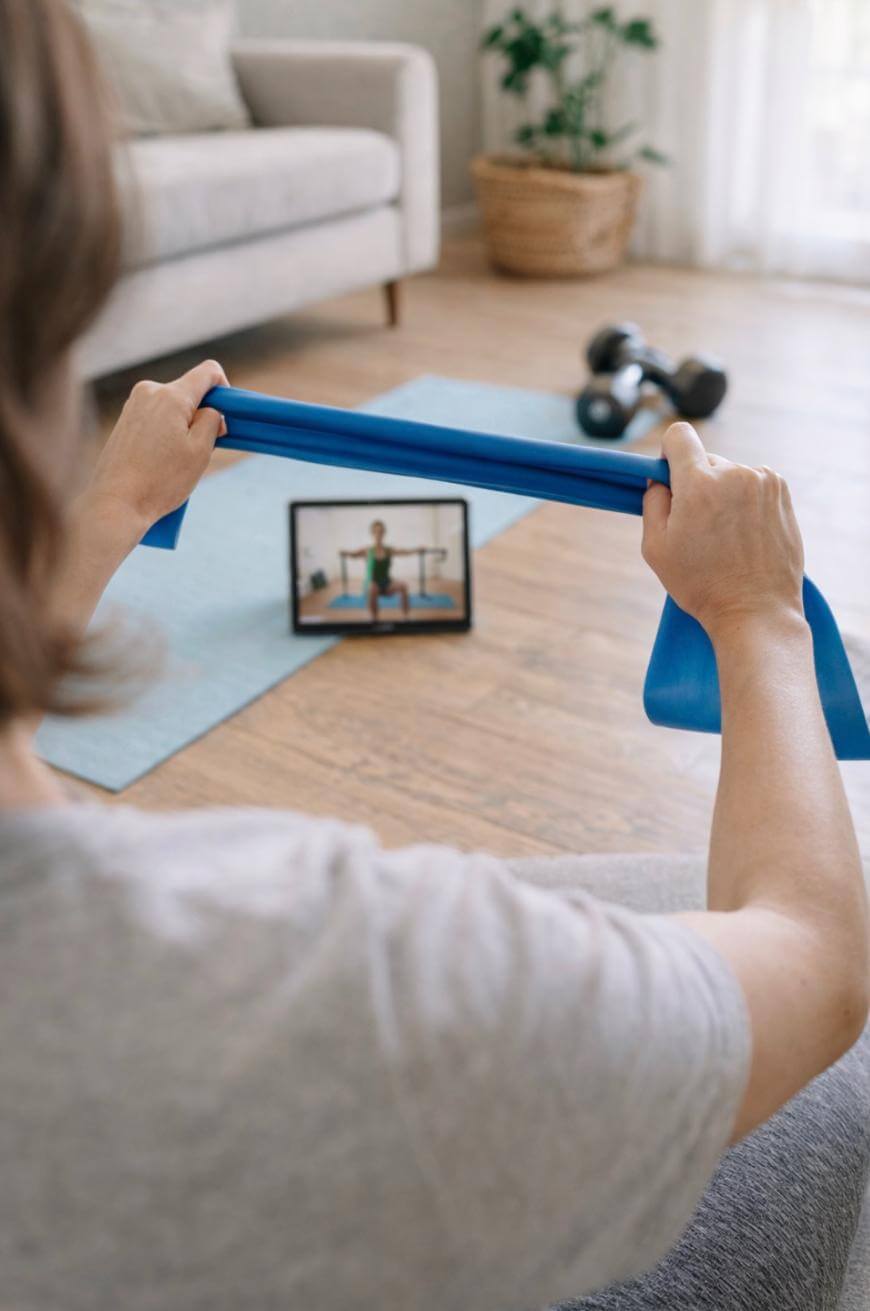
Sell a library of 10-minute workouts with minimal equipment, organized by goal like energy, strength, mobility, or posture. Short workouts are easy to commit to and easy to market.
Include a weekly schedule suggestion like “3 strength + 2 mobility sessions” for people who want structure.
24. A Digital Food Sensitivity Elimination Trial Planner
Create a planner that gives users somewhere to record what they eat and how they feel, with clear tracking and reintroduction logs, for a trial their own clinician or dietitian has set up. Say clearly in the listing and on page one that it is a record-keeping tool rather than a protocol, and that anyone with a diagnosed food allergy should not reintroduce foods without medical supervision — reintroduction is the step where reactions happen.
A strong feature is a pre-built 14–28 day calendar, because timelines are what most people struggle with.
25. A Caregiver Health Organizer
Build an organizer for caregivers that covers appointments, meds, symptoms, insurance calls, and notes. This is a high-stress niche that values tools that reduce chaos.
Include a “weekly snapshot” page that fits on one screen or one printed page to keep it usable.

How To Choose The Best Idea To Start With
Pick One Audience And One Pain Point You Can Describe In One Sentence
A good choice is one where the user can say, “I want help with X because Y keeps happening.” That clarity makes your product easier to build and easier to sell.
If you can’t explain the transformation in 10 seconds, the product will feel fuzzy and conversions will suffer.
Start With A Minimum Viable Digital Product You Can Finish In A Week
Your first version should be 5–15 pages or a small set of templates, not a massive course. Finishing beats perfection because you learn what people actually buy.
A practical target is 10 core pages plus 3 bonus pages, so the product feels complete without dragging on.
Price Based On Outcome And Effort Saved, Not Page Count
A small tool that saves daily stress can sell better than a huge guide nobody uses. Many digital health tools land well in the $9–$49 range depending on specificity and support.
If you include audio, video demos, or a companion email series, you can justify higher pricing without bloating the main product.
Build A Simple “Results Path” Into The Product
Tell users what to do first, second, and third so they do not stall. Most refunds and complaints come from confusion, not from missing information.
A simple structure is “setup day, daily use, weekly review,” with one page for each step.
Validate With A Small Pre-Sale Or Waitlist Before You Overbuild
You can validate by offering a discount to early buyers or collecting emails for a launch. This reduces risk and helps you write better product copy.
Aim for 25–100 waitlist signups before you spend weeks polishing, especially if the niche is new to you.
What To Avoid With Health Digital Products
Avoid Medical Claims That Promise Diagnosis Or Treatment
Do not claim your product cures, treats, or diagnoses conditions. Keep it positioned as education, organization, and habit support.
A safer framing is “helps you track,” “helps you prepare,” and “helps you build consistency,” which still sells when the value is real.
Avoid Overcomplicated Tracking That Takes More Than 3 Minutes A Day
If it’s too detailed, users quit quickly and your reviews suffer. Simple wins, especially in health.
A good rule is that the daily section should fit on one phone screen or one small printable box.
Avoid Trying To Serve Everyone With One Product
A product for “everyone who wants to be healthy” is hard to market. Specificity increases trust and makes ads cheaper.
You can always create a bundle later, but your first product should be narrow and clear.
Key Takeaways
Pick One Narrow Health Problem For One Clear Audience
Start With A Small Tracker, Planner, Or Template That Saves Time
Build A Simple Step-By-Step Path So Users Know What To Do Next
Use Concrete Numbers Like Minutes, Days, Or Targets To Increase Trust
Avoid Medical Claims And Focus On Support, Tracking, And Consistency
Keep Daily Use Under 3 Minutes So People Stick With It
FAQ
Can You Sell Health Digital Products Without Credentials?
Generally yes, provided you stay on the organization and habit-tracking side and steer well clear of anything that reads as diagnosis, treatment or a promised health outcome. Where the line sits varies by state and by product, and the FTC takes health claims in marketing seriously, so it is worth taking advice before you sell anything aimed at a specific condition. Keep your language practical and encourage users to consult a clinician for medical decisions.
What Is The Best First Product Format?
The best first product format is usually a fillable PDF planner or tracker because it is fast to build and easy to deliver. You can later upgrade into video demos, audio, or a course once you know what buyers want.
How Do You Price A Health Digital Product?
You should price a health digital product based on the value of the outcome and time saved, not the number of pages. A common starting range is $9–$49, with higher prices justified by support, community, or multimedia.
How Do You Avoid Getting In Trouble With Health Claims?
You avoid trouble by not promising to cure, treat, or diagnose anything and by using clear disclaimers. Position your product as a tool for tracking, planning, and building healthier routines.
Digital product ideas for artists


Leave a Reply