If you are looking for digital product ideas for kids, you have come to exactly the right place. We are going to walk you through twelve creative, low-cost ideas that children and teens can actually create and sell online — no inventory, no shipping, and no experience required.
Whether your child is artistic, tech-savvy, or just looking for a fun way to earn some money, there is something on this list for every kind of young creator.
12 Digital Product Ideas for Kids to Create and Sell
1. Printable Coloring Pages
Coloring pages are one of the easiest digital product ideas for kids to start with, especially if your child loves to draw.
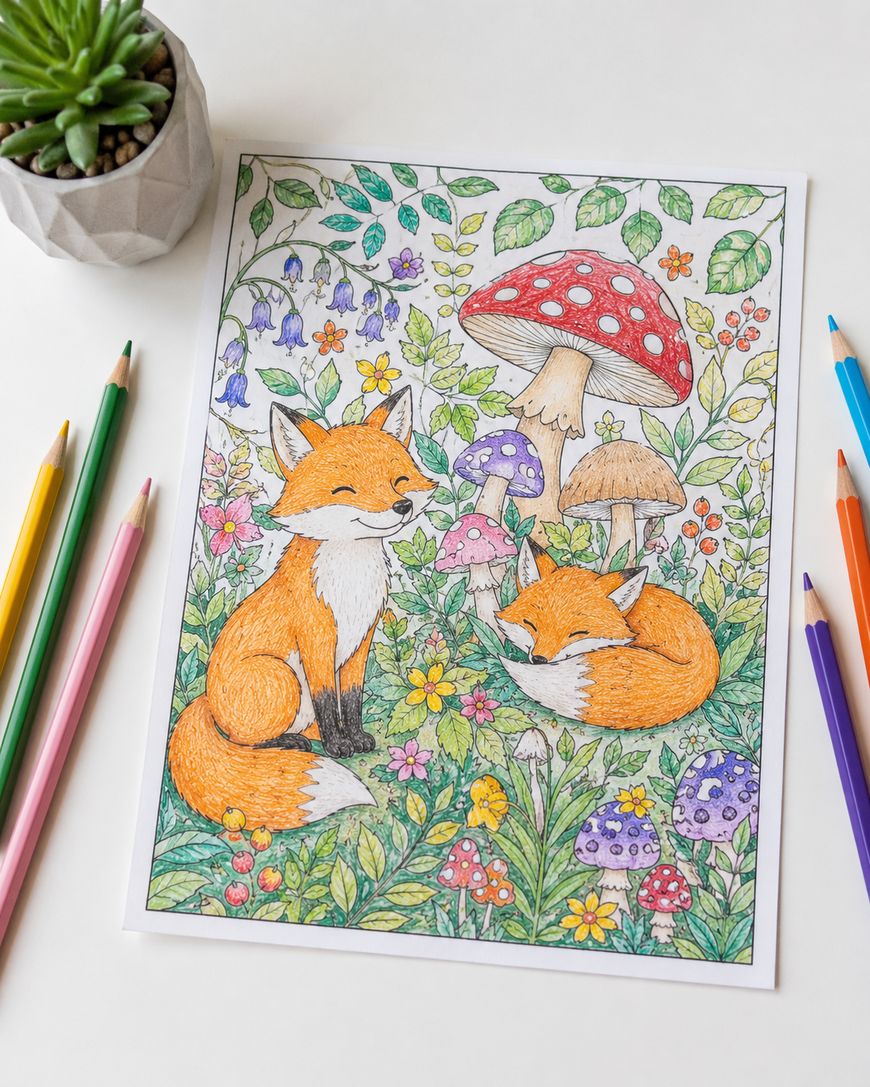
Your child can sketch original characters, animals, or scenes by hand and then scan them, or they can create illustrations digitally using free tools like Canva or Procreate. Parents with artistic kids who just want to draw will love this one because the work feels more like play than business.
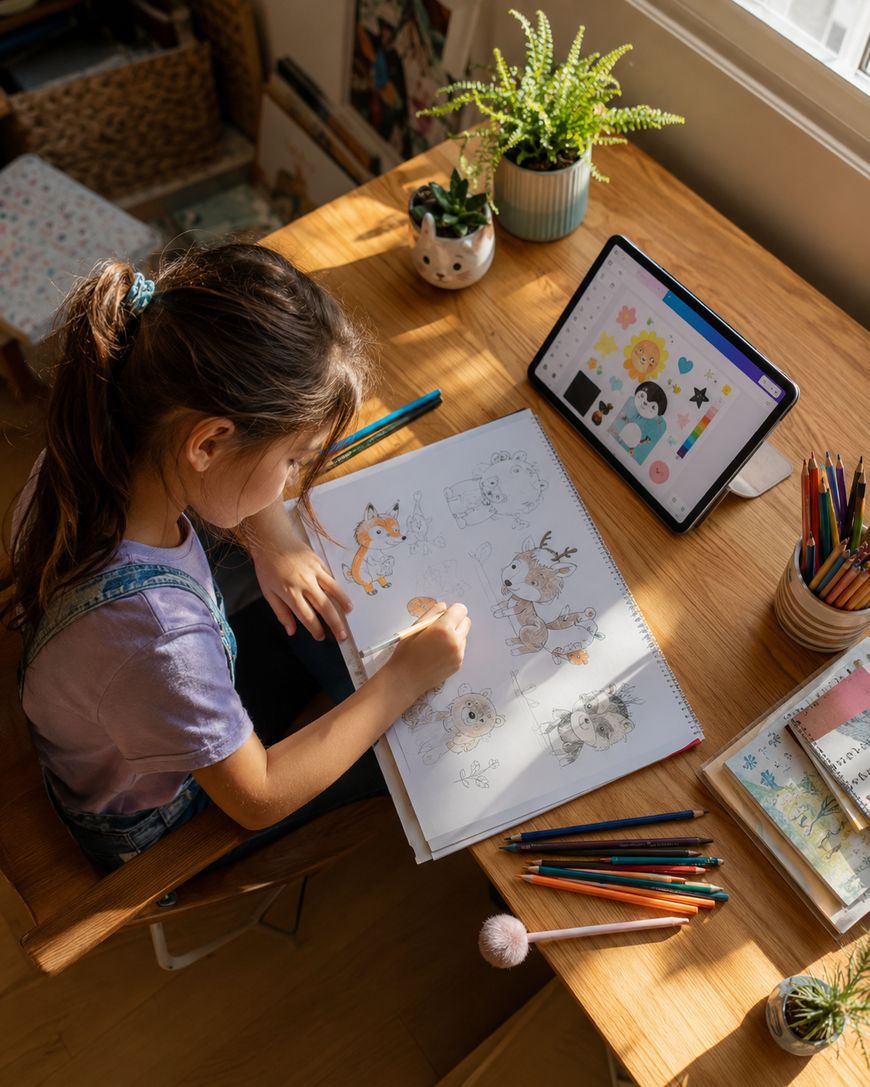
Coloring pages sell well on platforms like Etsy and Teachers Pay Teachers, and a simple pack of five to ten pages can be priced anywhere from two to five dollars. Over time, a growing collection of themed packs — holidays, animals, fantasy creatures, back to school — builds into a real catalog.
2. Educational Worksheets and Activity Sheets
Kids who are strong in a particular subject can turn that knowledge into helpful worksheets for younger learners.
A ten-year-old who loves math, for example, could create a set of multiplication practice sheets with answer keys included. A strong reader could put together reading comprehension passages with questions. These products are especially popular with homeschooling families and parents who like to supplement their child’s education at home.
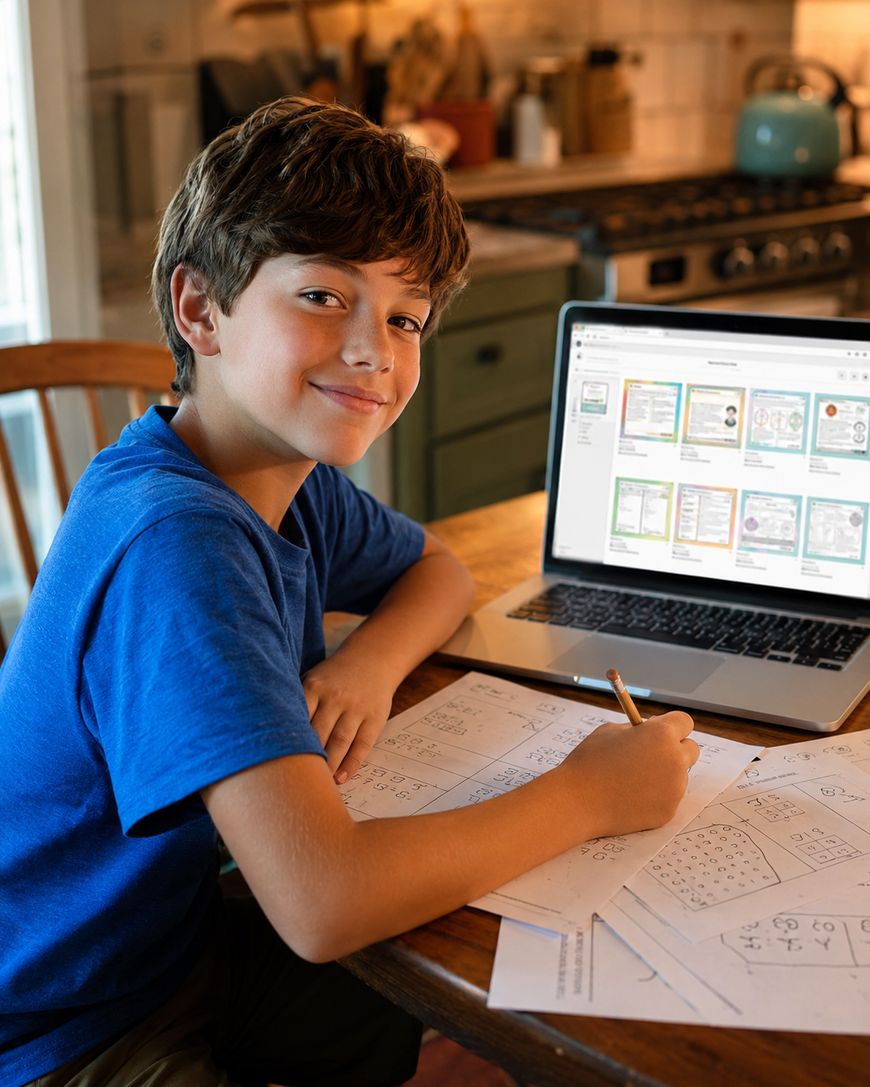
Teachers Pay Teachers is the top marketplace for this type of content, but Etsy works just as well. Pricing typically ranges from one dollar for a single sheet to eight or ten dollars for a complete unit bundle.
3. Digital Stickers for Phones and Tablets
Digital stickers are a booming category, and they are genuinely fun for kids to make.
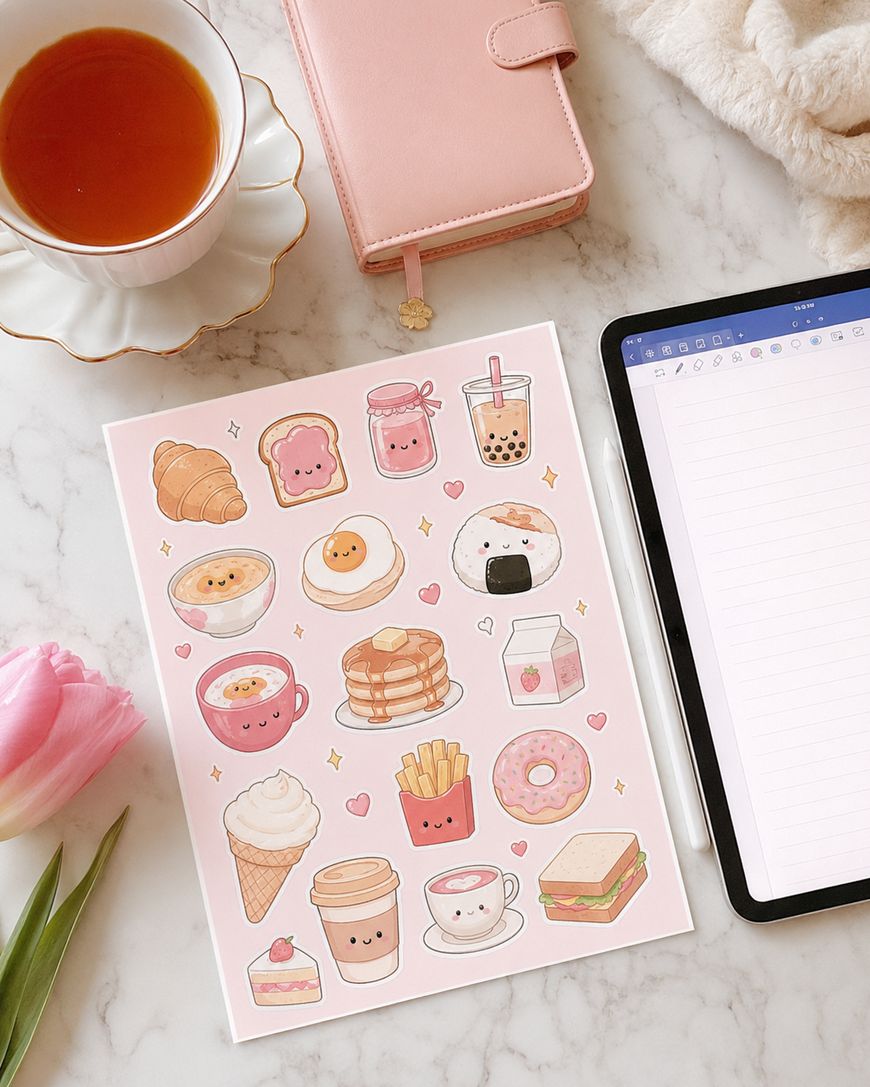
Kids can design sticker sheets using Canva, Procreate, or even Google Slides, then export them as PNG files with transparent backgrounds. Buyers use these stickers in digital planners, journaling apps like GoodNotes or Notability, or on photo editing platforms.
A good sticker sheet typically has fifteen to thirty individual stickers organized around a theme — think kawaii food, space exploration, motivational quotes with cute characters, or seasons of the year. Priced at two to four dollars per sheet, a motivated young creator can build a lovely passive income stream with a solid collection.
4. Kids Recipe Cards
If your child loves being in the kitchen with you, recipe cards might be the perfect digital product for them to create.

They can design simple, illustrated recipe cards for dishes they already know how to help make — things like smoothies, no-bake cookies, simple sandwiches, or easy pasta dishes. The cards can be designed in Canva using colorful, kid-friendly templates and exported as downloadable PDFs.
Parents love buying these because they can print them out and cook alongside their own children. Recipe card packs centered around a theme — five-ingredient dinners, after-school snacks, holiday treats — tend to sell especially well during certain times of year.
5. Bookmarks and Reading Trackers
Young bookworms can combine their love of reading with design by creating printable bookmarks and reading tracker sheets.

A simple reading tracker lets kids color in a book spine or check off pages each time they read, which makes reaching reading goals feel satisfying and visual. Printable bookmarks can be made in any art style — minimalist, illustrated, quote-based, or themed around popular book genres like fantasy or mystery.
These products appeal to parents, teachers, and school librarians, and they are easy to bundle together into a small “reading kit” that sells for four to six dollars.
6. Phone and Desktop Wallpapers
Wallpapers are one of the most shareable and sellable digital products kids can make with basic design skills.

Your child can create sets of ten or twenty wallpapers around a theme — cottagecore, space, floral, motivational quotes, aesthetic color palettes — and sell them as downloadable zip files. These work for both phone screens and desktop computer backgrounds, which doubles the potential audience.
Canva has hundreds of templates sized specifically for phone wallpapers, making this one of the most beginner-friendly digital product ideas for kids who are just starting out. Packs typically sell for two to five dollars and can be marketed on Etsy or even through a simple social media presence.
7. Story Prompt Cards
Creative kids who love writing can sell printable story prompt cards for other young writers and homeschooling families.
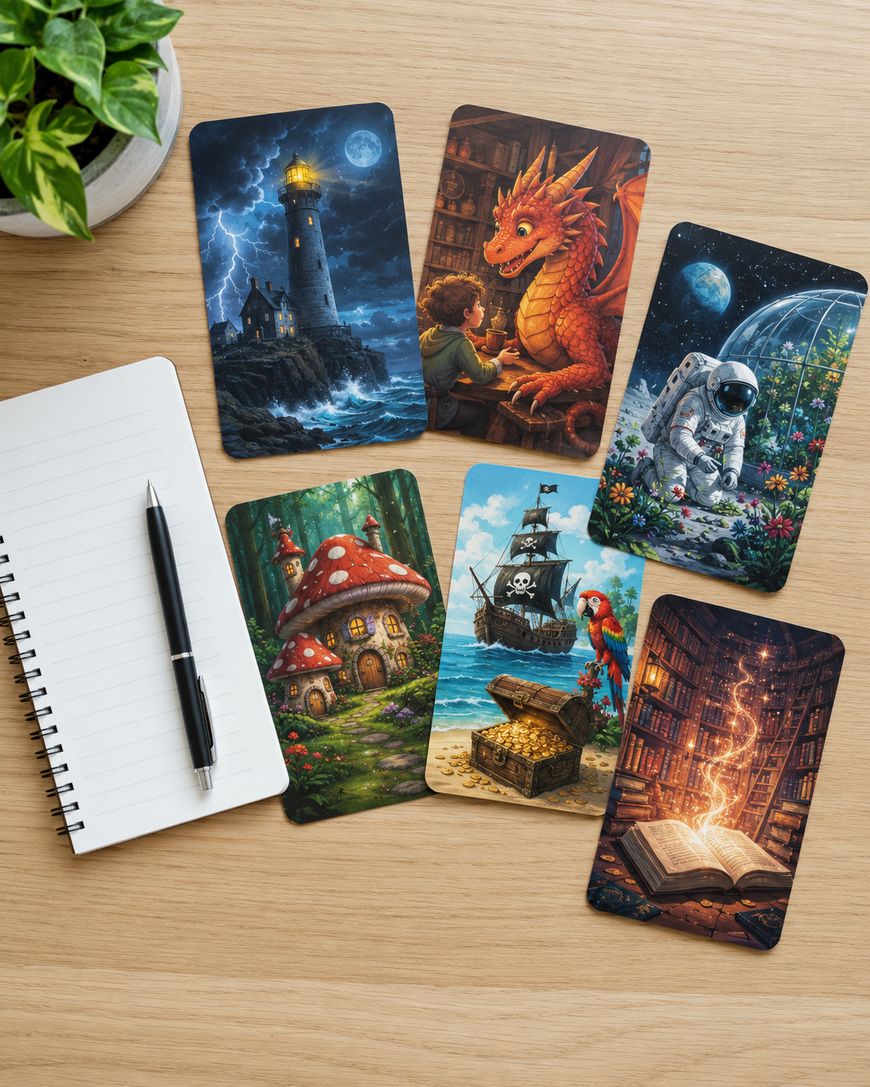
Each card contains a unique writing prompt, a fun scenario, or a character description that sparks the imagination. A pack of thirty story prompt cards gives a writer an entire month of daily inspiration, and parents and teachers are always looking for ways to get reluctant writers excited about putting words on a page.
These are simple to design in Canva using a card template, and the content itself comes naturally to imaginative kids. Selling these on Etsy or as an add-on product alongside worksheets makes great business sense.
8. Printable Party Games
Kids who love games can design printable party games for birthday parties, holidays, or family gatherings.

Think bingo cards, trivia question sheets, word searches, or scavenger hunt lists — all designed around popular themes like dinosaurs, unicorns, superheroes, or seasonal holidays. Parents planning parties are always on the hunt for low-cost, print-at-home entertainment options, and this niche has a loyal customer base.
A set of four or five party games bundled together can sell for five to eight dollars, and kids who create in seasonal niches can see their sales spike predictably before major holidays.
9. Study Guides and Flashcard Sets
Older kids and teens who excel academically can create study guides and flashcard sets for popular subjects.

These work especially well when targeted at specific grade levels or standardized tests. A high school student who aced their US history class, for example, could create a study guide covering key events, dates, and vocabulary that other students would gladly pay for before exam season.
Digital flashcard sets can be sold as printable PDFs designed to be cut out, or as Anki-compatible files that work in popular study apps. Pricing depends on depth and length, but a thorough study guide can command eight to fifteen dollars from motivated students.
10. Planner Pages and Habit Trackers
Kid-designed planner pages have a surprisingly strong market, particularly among parents and students who love organizing their days.
Your child can design daily or weekly planner sheets, homework trackers, chore charts, or goal-setting pages using Canva. The designs do not have to be elaborate — clean, colorful, and functional sells just as well as complicated illustrated layouts.
Habit trackers are particularly popular right now, with many families using them to help kids build routines around reading, exercise, screen time limits, and chores. A small bundle of five to eight planner pages priced at three to six dollars is an easy impulse purchase for organized parents.
11. Digital Art Prints
Young artists who love to paint, draw, or create digitally can sell their artwork as downloadable prints.
Buyers download the file and print it themselves at home or at a local print shop, which means your child never has to handle any physical product. Sizes like 5×7, 8×10, and 16×20 are the most popular because they fit standard frames from any home goods store.
Seasonal art prints sell especially well — think fall harvest scenes, Christmas illustrations, spring florals, or summer beach vibes. A young artist who consistently releases new work tied to the calendar can build a year-round stream of sales with very little additional effort beyond creating art they already love making.
12. Kids YouTube Script Templates
Older kids who watch a lot of YouTube or want to start their own channels can create script templates for young content creators.

These templates guide kids through how to structure an intro, a main segment, calls to action, and an outro in a format that feels natural on camera. Parents who want to help their children start YouTube channels in a safe, structured way are always looking for resources like this.
Script template bundles can be designed as fillable PDFs or editable Google Docs and sold for five to ten dollars. Kids who make these products are also quietly learning a ton about content creation, video structure, and digital communication.
Getting Started With Digital Products for Kids
The best way to begin is to choose one idea from this list that genuinely excites your child, not the one that seems most profitable.
When a young creator is making something they care about, the quality shows, and the motivation to keep going does not disappear after the first week. Help them set up an Etsy shop or a Gumroad account with your guidance, take some simple product mockup screenshots, and write a short product description together.
That first sale, no matter how small, has a way of changing everything.
Why Digital Products Are Perfect for Young Creators
Digital products are one of the smartest ways for kids to start learning about entrepreneurship without the risk of losing money on physical inventory.
Once a digital product is created, it can be sold again and again with no extra effort. That model teaches kids about passive income, value creation, and what it means to build something that works while you sleep.
There is also the confidence piece to consider. When a child creates something and a stranger pays for it, that experience can shape the way they think about work, creativity, and what they are capable of for the rest of their lives.
Digital products also remove barriers that would otherwise stop young entrepreneurs in their tracks. You do not need a business license to sell a printable worksheet. You do not need startup capital to create a digital sticker sheet. The playing field is remarkably level for kids who are willing to put in the effort.
Frequently Asked Questions About Digital Product Ideas for Kids
What age can kids start selling digital products?
Most platforms like Etsy and Gumroad require the account holder to be at least 18, so a parent or guardian will need to create and manage the account. Kids as young as seven or eight can absolutely create the products with support, and teens who are 13 and older can take on much more of the business management with parental oversight.
Do kids need expensive software to make digital products?
Not at all. Canva has a completely free version that is more than enough for creating coloring pages, stickers, worksheets, planner pages, and most of the products on this list. Older kids who want to create more detailed digital art might enjoy a free trial of Procreate or use free tools like Krita.
How much money can kids realistically make selling digital products?
It varies widely depending on how many products they create, how well they market them, and how competitive their niche is. A small collection of ten to twenty products on Etsy could earn anywhere from twenty to a few hundred dollars a month once the shop has some traction and reviews. The income grows as the catalog grows.
Where is the best place for kids to sell digital products?
Etsy is the most popular starting point because it already has millions of shoppers actively looking for printable and digital products. Gumroad is another excellent option with no listing fees. Teachers Pay Teachers works well for educational content specifically aimed at classroom or homeschool use.
Do digital products take a long time to make?
Some products like a single coloring page can be done in an afternoon, while a full unit study guide might take a week of focused work. The beauty of digital products is that the time you invest once continues to pay off every time someone new buys that product, so the effort is almost always worth it.
Can kids make digital products over summer break?
Absolutely, and summer is honestly one of the best times to start. Kids have unstructured time, creative energy, and just enough boredom to make building something new feel exciting. Even spending one or two hours a day over a few weeks can result in a small but complete digital product shop ready to launch before school starts again.
Start Creating Digital Products for Kids Today
Digital product ideas for kids are some of the most accessible, low-risk, and genuinely exciting ways to introduce young people to entrepreneurship.
You do not need much money, special equipment, or years of experience. What you need is one good idea, a willing child, and a little patience as they figure out what they are making and why someone else might want it.
Start with whichever product on this list feels like the most natural fit for your child’s interests, create one small thing together, and see where it leads. The skills they build along the way — creativity, persistence, basic business sense, and digital literacy — are worth far more than any single sale.




Leave a Reply