If you’re searching for digital product niche ideas that go beyond generic advice, you’ve landed in the right place. We’re diving straight into 25 specific, proven niches with real earning potential so you can stop researching and start creating.
Digital products are one of the best ways to build passive income because you create them once and sell them indefinitely. Whether you have a few hours a week or you’re going all-in, there’s a niche here that fits your skills and your schedule.
Personal Finance and Budgeting Templates
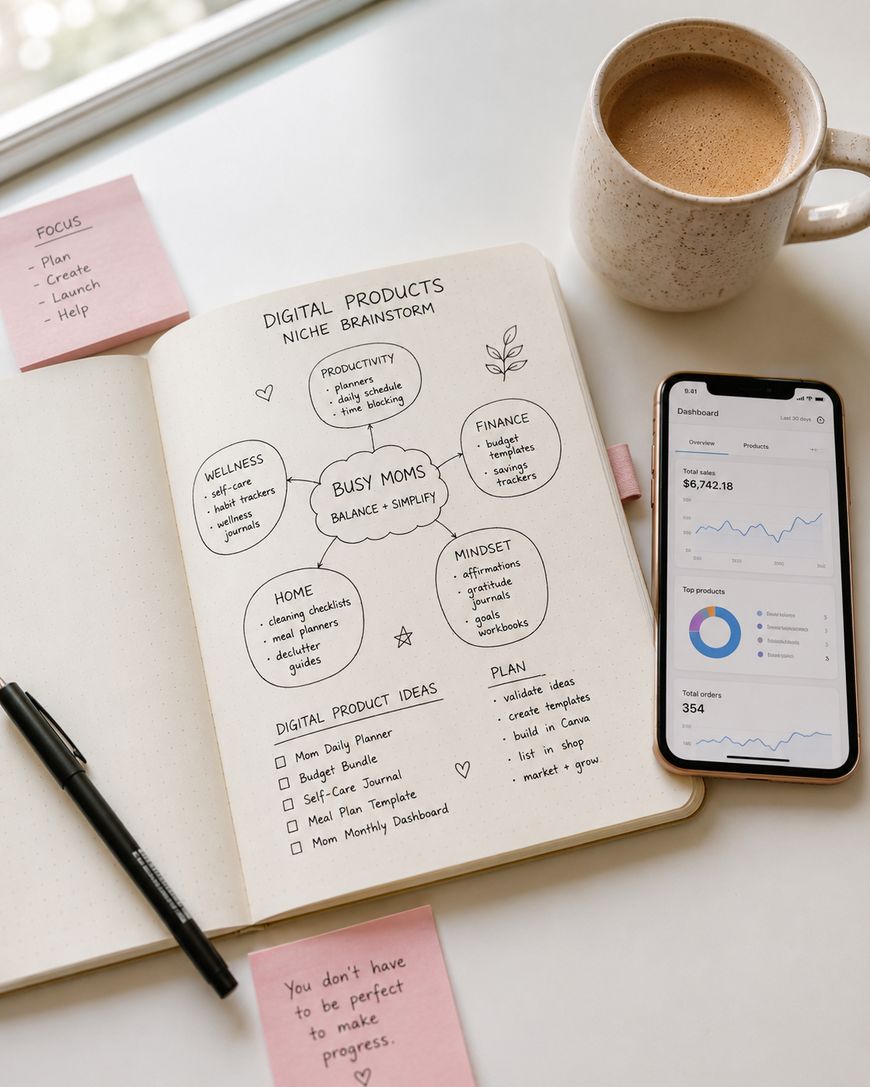
Personal finance is one of the most consistently profitable digital product niche ideas, and for good reason. People are always looking for better ways to manage their money, and a well-designed spreadsheet or template can save hours of frustration.

You can create budget trackers, debt payoff planners, savings goal calculators, or net worth trackers in Google Sheets or Excel. These products sell well on Etsy, Gumroad, and your own website. Buyers range from college students to households trying to get out of debt to small business owners who want simple bookkeeping tools.
The key to standing out in this niche is specificity. A “budget template for nurses” or a “biweekly pay period budget planner” will convert far better than a generic budget spreadsheet. Layer in a cozy design or a clean minimal aesthetic and you have a product that people genuinely enjoy using every month.

Price points typically range from $5 to $35 for individual templates, with bundles selling anywhere from $25 to $75. Many sellers in this niche earn several hundred to several thousand dollars per month on Etsy alone, making it one of the more accessible digital product niche ideas for beginners.
Notion Templates and Productivity Systems
Notion has become a cultural phenomenon in the productivity world, and the demand for done-for-you Notion templates shows no signs of slowing. People love the app but often feel overwhelmed building systems from scratch, which is exactly where you come in.

Popular Notion templates include life dashboards, project management setups, content calendars, student study systems, and second-brain knowledge bases. You can sell these on Gumroad, your own site, or Notion-specific marketplaces that have sprung up around the platform.
This niche rewards creators who can teach as well as design. Many successful Notion template sellers pair their products with a short video walkthrough showing buyers how to customize and use the system. That added context dramatically reduces refund requests and increases positive reviews.
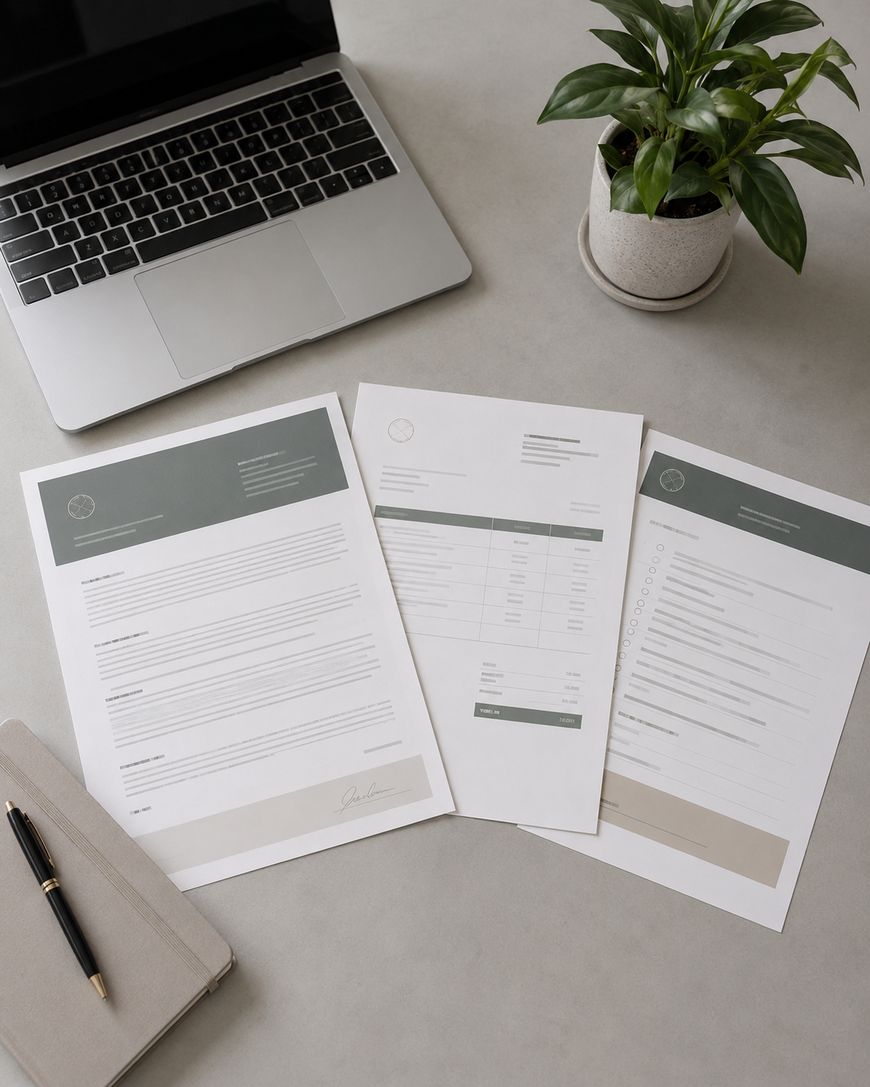
The audience spans students, freelancers, content creators, and corporate professionals, which means there are dozens of sub-niches to explore within Notion alone. A Notion template for freelance client management, for instance, targets a very different buyer than one designed for homeschool planning.
Social Media Templates and Content Kits
Businesses and creators need a constant flow of social media content, and most of them don’t have the design skills or time to create it themselves. Social media templates designed in Canva or Adobe Express are among the fastest-selling digital product niche ideas on the market right now.
Instagram post templates, Pinterest pin templates, story templates, and full brand kits all sell extremely well. You can bundle these into monthly content kits or seasonal packs that give buyers fresh designs without the recurring design work on their end.
The niche within social media templates matters here just as much as template quality. Templates designed specifically for real estate agents, wedding photographers, nutritionists, or fitness coaches convert far better than general-purpose designs. When a buyer sees a template that looks like it was made for their exact business, the decision to purchase becomes easy.

Canva template shops on Etsy regularly pull in four and five figures per month. If you have even basic design skills and an eye for current aesthetics, this is one of the most accessible high-earning digital product niche ideas available today.
Printable Planners and Journals
Printable planners remain a perennial bestseller in the digital products space, and creative sub-niches within this category keep emerging every year. A printable is simply a PDF the buyer downloads and prints at home, making it one of the lowest-overhead products you can create.
Weekly planners, daily schedules, meal planners, homeschool curriculum trackers, pregnancy journals, gratitude journals, and wedding planning books all do consistently well. The market is enormous and the buyers are highly motivated, making this a reliable niche for new sellers.
Seasonal and holiday-themed printables see predictable traffic spikes throughout the year, which means you can plan your product releases around peak demand windows. A fall meal planning printable, for example, tends to surge in September and October as families get back into routines.
Design quality matters more in this niche than in some others because buyers are printing the product and using it daily. Investing time in beautiful typography, clean layouts, and thoughtful organization will lead to better reviews and stronger word-of-mouth sales.
Digital Recipe Collections and Meal Planning Guides
If you love food, this niche is a natural fit. Digital recipe collections, meal prep guides, and specialty diet cookbooks sell well as PDFs on platforms like Etsy and Gumroad. The key is to niche down to a specific dietary lifestyle or cooking style rather than creating a general cookbook.

A vegan meal prep guide for beginners, a high-protein meal plan for weightlifters, a 30-minute dinner collection for busy families, or a sourdough baking guide for beginners are all examples of products with hungry, targeted audiences. The more specific your audience, the less competition you face and the more your product feels tailor-made.
Food photography matters enormously in this niche. Even simple styled photos included in your PDF or used in product mockups will significantly increase your conversion rate. If photography isn’t your strength, Canva has beautiful food-themed templates you can adapt.
Pair your recipe collection with a bonus shopping list or a weekly meal planning template and you’ve created a product that genuinely saves people time. That added utility justifies a higher price point and encourages repeat buyers.
Educational Workbooks and Study Guides
Parents, students, and educators are always looking for quality educational content, and this niche offers tremendous creative range. You can create workbooks for preschool through high school covering math, reading, science, history, or any subject where you have expertise.

Homeschool families in particular are voracious buyers of educational digital products. A well-organized homeschool curriculum guide or grade-level workbook can sell for $15 to $40 and attract loyal repeat buyers who come back for each new grade or subject.
Test prep guides for standardized exams, ESL grammar workbooks, handwriting practice sheets, and sight word flashcards are all strong performers in this space. The audience is driven by clear, tangible outcomes, so products that promise measurable skill development tend to convert very well.
This niche also works beautifully on Teachers Pay Teachers, a platform built specifically for educational resource sellers. If you have a teaching background or deep expertise in any subject, educational workbooks are among the most rewarding digital product niche ideas to pursue.
Business and Freelance Resources
Freelancers, small business owners, and side hustlers need practical tools to run their businesses, and they’re willing to pay for solutions that save them time and reduce stress. This niche includes client onboarding kits, contract templates, invoice templates, email scripts, and business planning workbooks.
A freelance contract template that protects a designer’s intellectual property, for example, offers clear and immediate value to someone who has been burned by a vague project agreement. Business tools that solve real pain points tend to command higher price points than decorative or lifestyle products.

If you have professional experience in law, accounting, marketing, HR, or any business function, you have a built-in credibility advantage in this niche. Packaging your expertise into a usable template or guide is one of the smartest ways to monetize specialized knowledge.
Email swipe files, content strategy guides, launch checklists, and SOPs (standard operating procedures) also perform very well here. Business buyers are efficiency-minded, which means they’ll pay a premium for a well-organized resource that they can implement immediately.
Health and Wellness Trackers
Health tracking has become deeply embedded in daily life for millions of people, and digital products in this niche tap into that momentum. Habit trackers, fitness logs, symptom journals, sleep trackers, and mental health check-in sheets are all high-demand products with passionate buyers.

This niche works particularly well when you address a specific condition or goal. A symptom tracker designed for people with chronic illness, a postpartum wellness journal, or a sobriety tracker for people in recovery all serve communities that are actively seeking support and tools.
You can sell these products as PDFs for printing, as fillable digital PDFs for tablet use, or as digital planner pages compatible with apps like GoodNotes or Notability. Digital planner pages in particular have surged in popularity as more people adopt iPad-based journaling systems.
The wellness niche rewards consistency and authenticity. Buyers are often dealing with real challenges, so products that feel caring and thoughtful rather than clinical or generic will build the kind of trust that leads to loyal customers.
Photography Presets and Editing Tools
If you have an eye for photo editing, Lightroom presets are one of the most passive of all digital product niche ideas. You create the preset once, and it applies a specific look or mood to any photo with a single click, which is exactly the kind of time-saving magic that photographers and content creators are willing to pay for.

Presets that create a cohesive aesthetic for Instagram, wedding photographers, food bloggers, travel influencers, or real estate photographers all have dedicated buyer communities. Niche-specific presets that solve the exact lighting and color challenges of a specific type of photography command higher prices than generic “moody” or “bright” packs.
Mobile presets for Lightroom have democratized this niche further, reaching buyers who shoot entirely on their phones. A set of 10 cohesive mobile presets that give a creator’s feed a specific look can sell for $10 to $30 and requires no professional camera to create or purchase.
Tutorials and behind-the-scenes content work beautifully as marketing for preset products. When potential buyers can see the before and after results on real photos, conversion rates climb significantly.
Online Courses and Mini Workshops
Online courses are one of the highest-earning digital product formats available, and there are still enormous untapped pockets of demand across almost every topic imaginable. A well-structured course that takes a student from point A to point B on a specific skill can justify price points from $47 to several hundred dollars.
The most successful course creators in 2025 are going micro rather than building sprawling multi-module behemoths. A focused two-hour workshop that teaches one specific outcome, like how to set up an Etsy shop or how to write a product description that converts, often sells better and gets better reviews than an overstuffed course trying to cover everything.
Platform choices include Teachable, Kajabi, Thinkific, Podia, and Gumroad, each with its own fee structure and feature set. Many creators start on Gumroad or Teachable for simplicity and migrate to a more robust platform once they have consistent sales.
Your existing experience is your curriculum. You don’t need to be the world’s leading expert on a topic to create a valuable course. You simply need to know more than the person you’re teaching and be able to organize that knowledge into a clear, actionable format.
Wedding and Event Planning Printables
Couples planning a wedding are working to a deadline with real money on the line, which makes them unusually willing to buy a tool that saves them time. Budget trackers, guest list managers, seating chart templates, vendor comparison sheets and day-of timelines all sell steadily, and the same files adapt easily to birthdays, baby showers and graduations.
The seasonal pattern is worth knowing: engagement season runs from late November through Valentine’s Day, so listings that are live and reviewed before December tend to catch the wave rather than chase it.
Real Estate Agent Marketing Templates
Agents need a constant stream of listing flyers, open house sign-in sheets, social media graphics and buyer or seller guides, and most of them would rather buy a polished set than build one. Because agents work under brokerage branding, editable templates that let them drop in their own colors and logo do better than fixed designs.
This niche rewards bundles over single files. An agent who buys one listing flyer usually needs the matching just-listed and just-sold graphics too, so packaging them together raises the order value without much extra work.
Etsy Seller and Small Shop Tools
There is a large market in selling tools to other sellers: pricing calculators, inventory trackers, product photography checklists, shipping label organizers and listing description templates. Buyers in this niche already understand digital products, so the sale is usually quicker.
Keep these products genuinely useful rather than generic. A pricing calculator that accounts for platform fees, materials, labor and shipping is worth paying for; a blank spreadsheet is not.
Homeschool Curriculum and Learning Packs
Homeschooling families buy year-round and tend to be loyal to creators whose style suits their approach. Unit studies, handwriting practice, reading logs, nature journals and record-keeping forms for state reporting all have steady demand.
Record-keeping is the underserved corner here. Requirements vary by state, and a clear attendance and portfolio tracker built around a specific state’s rules is the kind of thing families search for by name.
Resume, Cover Letter and Career Templates
Job hunting is stressful and time-limited, which is exactly when people buy. ATS-friendly resume templates, cover letter frameworks, interview preparation worksheets and salary negotiation scripts all sell well, particularly in January and again in early fall.
Specificity beats polish here. A resume template built for nurses, teachers or career changers will outsell a beautiful general-purpose one, because the buyer can see themselves in it.
Kids’ Activity Packs and Busy Books
Parents buy activity packs for road trips, restaurant waits, school holidays and rainy afternoons. Printable busy books, scavenger hunts, coloring sets, matching games and travel bingo are cheap to produce and easy to bundle by age range.
Age banding is what makes this niche work. A pack labeled for two to four year olds sells better than one labeled for children, because the parent knows immediately whether it fits.
Church and Ministry Resources
Small churches and ministry volunteers often have no design budget and no staff designer. Sermon note templates, Sunday school lesson packs, volunteer scheduling sheets, bulletin templates and small group discussion guides fill a real gap.
Buyers here frequently need to reproduce materials for a whole congregation, so be explicit in your license about how many copies they may print and whether they can use it across multiple locations.
Pet Care Planners and Training Logs
Pet owners spend freely and the products are simple to build: puppy training trackers, feeding and medication schedules, vet record organizers, dog walking business forms and pet sitter instruction sheets.
The professional side of this niche is less crowded than the hobby side. Dog walkers, groomers and pet sitters need client intake forms, service agreements and route planners, and there are fewer people making them.
Travel Itineraries and Packing Systems
Travel planning products sell in two directions: the organizational side, with packing lists, budget trackers and document checklists, and the destination side, with day-by-day itineraries for specific cities.
Destination itineraries need genuine knowledge behind them, so build these from trips you have actually taken. A generic three days in anywhere template is easy to spot and hard to review well.
Clip Art, Patterns and Sublimation Designs
Other makers are a reliable customer base. Seamless patterns, clip art sets, sublimation designs, digital paper packs and SVG cut files all sell to people who will use them in their own products.
Commercial licensing is the whole business model here, so state plainly what a buyer may and may not do: how many finished items they can sell, whether they can use the files for print on demand, and that they cannot resell the file itself.
Home Renovation and Moving Planners
Moving and renovating are both stressful, expensive and full of small details that people forget. Room-by-room packing checklists, change of address trackers, renovation budget sheets, contractor comparison forms and paint color logs all address that.
This is a strong niche for a one-time buyer with high intent. Nobody moves every month, but someone in the middle of it will buy the tool that makes the next four weeks less chaotic.
Classroom Decor and Lesson Planning Templates
Teachers buy their own classroom materials, and they buy in bursts before the school year and around each holiday. Bulletin board sets, classroom labels, behavior charts, sub plans and lesson planning templates are the staples.
One caution worth building into your process: materials you make in the course of a teaching job may belong to your school district under your contract. Build the versions you sell on your own time, from scratch.
Podcast and YouTube Creator Kits
Creators need show notes templates, episode planning worksheets, sponsorship rate cards, media kit designs and thumbnail template sets. The buyers are used to paying for tools that save them a production step.
Editable brand kits do particularly well here, because a creator wants their channel to look like theirs rather than like your template. Build in color and font swaps and say so in the listing.
Nonprofit and Volunteer Management Templates
Small nonprofits run on volunteer time and rarely have an operations person. Donor tracking sheets, grant application trackers, volunteer scheduling forms, event planning packs and annual report templates all save them real hours.
Budget sensitivity is genuine in this niche, so price accordingly and consider a discounted bundle. What you lose on price you often make back in word of mouth, because these organizations talk to each other.
Genealogy and Family History Organizers
Family history research generates a mountain of paper, and researchers want a system for it. Family group sheets, research logs, DNA match trackers, census record worksheets and interview question guides all have a small but committed market.
The buyers here skew towards people who print everything, so design for paper first: clear line spacing, room to write by hand, and a layout that still works in black and white.
What Makes a Great Digital Product Niche
Before we get into the full list of digital product niche ideas, it helps to understand what separates a profitable niche from one that just sounds good on paper. The best niches share three qualities: a clear audience with a specific pain point, enough search demand to drive traffic, and a price point that makes the effort worthwhile.
You also want to look for niches where buyers already spend money. If people are purchasing books, courses, and tools in a space, that’s a strong signal they’ll buy your digital product too. The goal is to find the intersection of what you know, what people need, and what they’re already willing to pay for.
Niche selection matters more than product quality in the early stages. A mediocre product in a hot niche will outsell a brilliant product in a dead one every time. Start with where demand already exists, then build the best version of your solution.
Frequently Asked Questions About Digital Product Niche Ideas
What is the most profitable digital product niche?
Personal finance templates, social media content kits, and online courses consistently rank among the highest-earning digital product niches. Profitability depends heavily on audience size, price point, and how well your product solves a specific problem. Niches with urgent, tangible pain points tend to outperform lifestyle-adjacent niches.
Do I need a large audience to sell digital products?
No, you don’t need a large following to start making sales. Many sellers generate their first revenue through Etsy or Gumroad search traffic before building any audience at all. SEO-optimized listings and strong product photos can drive organic discovery without requiring you to be a social media personality.
How much can you realistically earn selling digital products?
Earnings vary enormously based on niche, platform, product quality, and marketing effort, and there is no reliable published figure for what a typical seller makes. Plenty of shops never make a sale, while a small number do very well, so treat any income figure you see quoted for digital products with caution, including the ones sellers publish about themselves. Rather than aiming at someone else’s number, work out what a single sale earns you after fees, and how many sales a month you would need for the result to be worth your time.
What platform should I use to sell digital products?
Etsy is the most beginner-friendly marketplace with built-in search traffic. Gumroad is excellent for creators with an existing audience or email list. Your own website via Shopify or WooCommerce gives you full control over the customer relationship and no transaction fees beyond payment processing. Many successful sellers use all three.
How do I protect my digital products from being stolen?
Add a copyright notice to your files and use PDF watermarking where applicable. Platforms like Gumroad offer download limits that reduce bulk sharing. Most importantly, price your products accessibly so that the barrier to legitimate purchase is low. Prosecution of individual infringers is rarely practical, so prevention and pricing strategy matter more than enforcement.
Can beginners with no design experience create digital products?
Absolutely. Canva has made professional-quality design accessible to anyone with a few hours of practice. Notion templates, written guides, and workbooks require no design background at all, just clear thinking and good organization. Start with a format that plays to your strengths and build your skills from there.
Start With One Digital Product Niche Idea and Grow From There
The biggest mistake people make when exploring digital product niche ideas is waiting until they find the “perfect” niche before creating anything. The truth is that your first product will teach you more than any amount of research ever could.
Pick one niche from this list that genuinely interests you, create one product, list it, and learn from how buyers respond. Every successful digital product shop you admire started with a single listing from someone who decided to begin.
The market for digital products is large, growing, and full of buyers actively looking for solutions. Your niche ideas are waiting for you to bring them to life.
Health and wellness digital products
Unique digital product ideas to sell
Teachers Pay Teachers product ideas
This article is for general information and is not financial advice. Any figures mentioned are illustrative rather than typical, and results depend entirely on your own circumstances. For decisions about investing, debt, tax or retirement, speak to a qualified professional who knows your situation.




Leave a Reply